
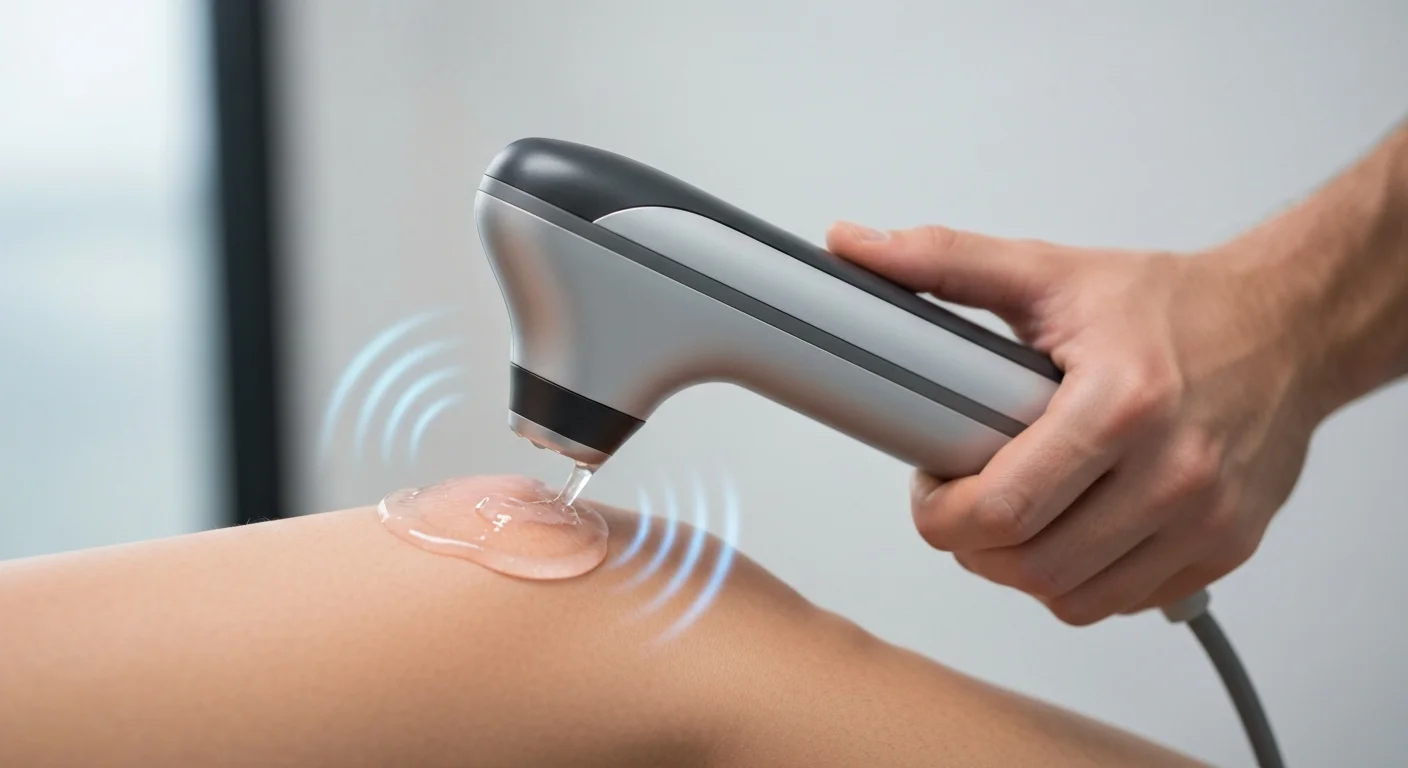
For patients seeking non-surgical relief from chronic joint, tendon, or muscle pain, StemWave therapy offers an advanced, non-invasive solution. Clinicians recommend this focused electrohydraulic acoustic wave treatment specifically for localized musculoskeletal conditions, such as insertional tendinopathies and plantar fasciitis. If your condition involves deep, localized tissue degeneration that has not responded to traditional physical therapy, StemWave is the optimal choice. Conversely, for widespread myofascial pain or highly superficial tissue conditions, radial shockwave therapy or broader acoustic platforms may be more appropriate.
This technology uses mechanical energy to trigger the body’s natural cellular repair mechanisms. It eliminates the need for invasive injections or surgical downtime. By delivering high-energy acoustic pulses directly to the site of injury, it accelerates tissue healing, reduces chronic inflammation, and provides rapid pain relief. In our Chicago practice, we integrate this therapy as a core component of modern, conservative orthopedic care.
Disclaimer: The information in this article is for educational purposes only. It is not a substitute for professional medical advice, diagnosis, or treatment. Always consult with a qualified healthcare provider regarding any medical condition.
How Does Stem Wave Therapy Work in Regenerative Medicine?
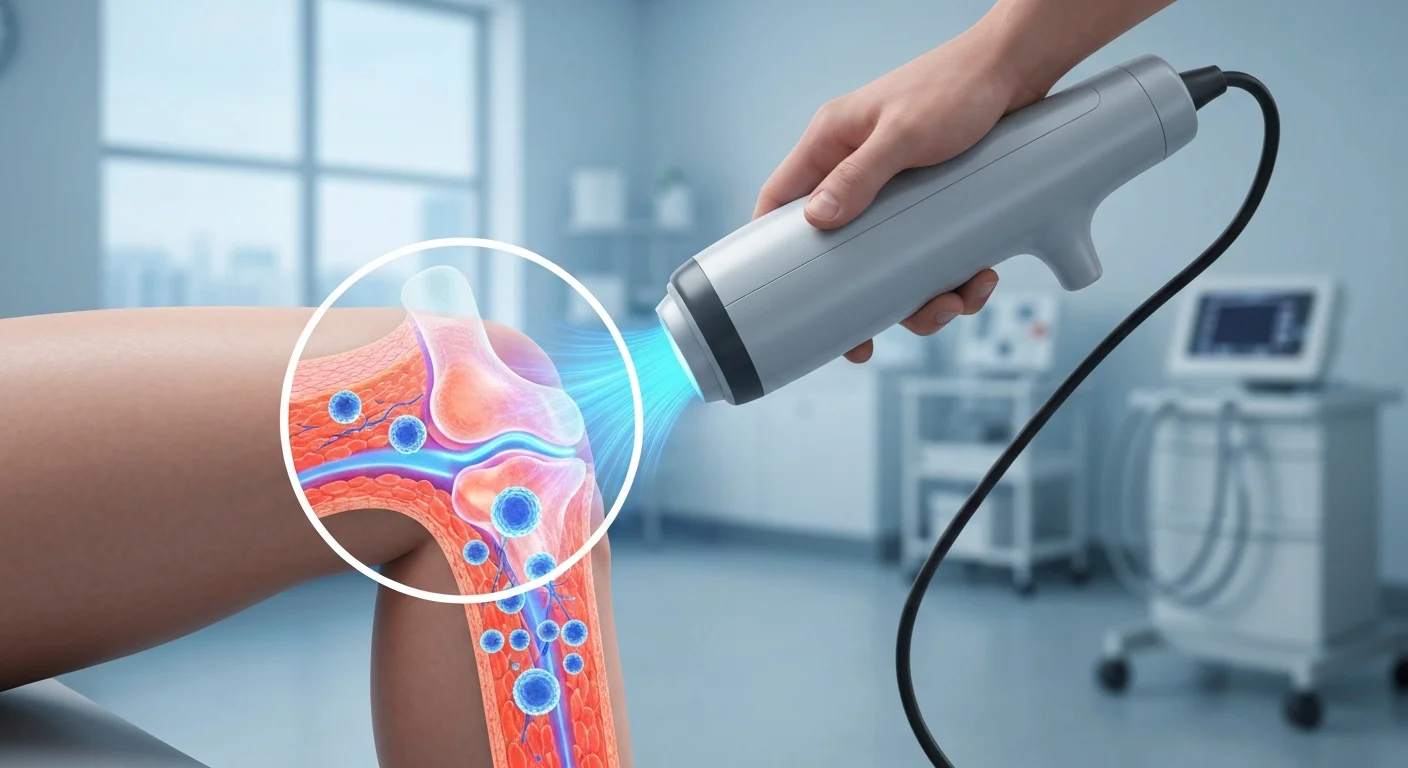
StemWave therapy functions through a biological process called mechanotransduction, where cells convert mechanical stimuli into biochemical signals. The device generates focused electrohydraulic acoustic waves using a specialized spark gap technology. This generator creates an electrical discharge in water, producing a high-energy acoustic shockwave that travels faster than the speed of sound. This acoustic energy penetrates deep into injured tissues without damaging the overlying skin or superficial structures.
When these shockwaves pass through target tissues, they create localized mechanical stress. This physical force stimulates the cellular membrane, prompting the release of key signaling molecules. Cells respond by increasing the production of adenosine triphosphate (ATP), which fuels cellular repair. Additionally, this micro-trauma triggers the release of nitric oxide, a powerful vasodilator that significantly enhances local microcirculation.
The primary mechanism relies on activating endogenous healing pathways. The mechanical stress alerts the immune system, recruiting growth factors and progenitor cells to the damaged area. This process accelerates collagen synthesis, resolves chronic inflammation, and stimulates tissue remodeling. By promoting these natural cellular reactions, this technology serves as a cornerstone of modern regenerative medicine therapies.
According to researchers at the National Center for Biotechnology Information, stemwave therapies physically alter cellular permeability. This structural change allows cells to absorb nutrients and eliminate waste products more efficiently. Over a series of sessions, this cumulative cellular stimulation rebuilds damaged tendons, ligaments, and joint structures from the inside out.
Primary Clinical Applications: What Is Stemwave Therapy Used For?
StemWave therapy serves as a targeted intervention for persistent, localized musculoskeletal disorders that resist standard conservative treatments. Clinicians utilize this focused acoustic wave system to address chronic degenerative conditions and acute sports injuries. It is particularly effective for tissues with poor blood supply, such as tendons and ligaments, where natural healing progresses slowly. By directing energy to these specific zones, the treatment initiates healing in dormant or stalled recovery processes.
The clinical versatility of this technology makes it highly valuable in sports medicine and orthopedic rehabilitation. It offers a drug-free alternative for patients who cannot tolerate corticosteroid injections or wish to avoid surgical intervention. Doctors frequently prescribe StemWave therapy to address the following clinical indications:
- Plantar Fasciitis: Resolves chronic heel pain by stimulating tissue remodeling at the attachment of the plantar fascia.
- Achilles Tendinopathy: Promotes collagen synthesis in damaged tendon fibers to restore structural integrity and ankle mobility.
- Rotator Cuff Tears and Tendinitis: Enhances healing in the shoulder tendons, improving range of motion and reducing nocturnal pain.
- Lateral and Medial Epicondylitis: Targets elbow tendon issues, commonly known as tennis elbow and golfer’s elbow, to restore grip strength.
- Patellar Tendinopathy: Repairs the patellar tendon in athletes experiencing chronic knee pain from repetitive jumping.
- Calcific Tendinitis: Helps break down calcium deposits within shoulder tendons while managing associated pain.
This therapy is not designed for generalized, widespread pain conditions like fibromyalgia. Instead, it serves as a highly precise tool for localized orthopedic pathology. It allows clinicians to deliver therapeutic energy exactly where tissue degeneration occurs, ensuring optimal clinical efficiency.
Evaluating Clinical Efficacy: Does Stemwave Work for Pain Relief?
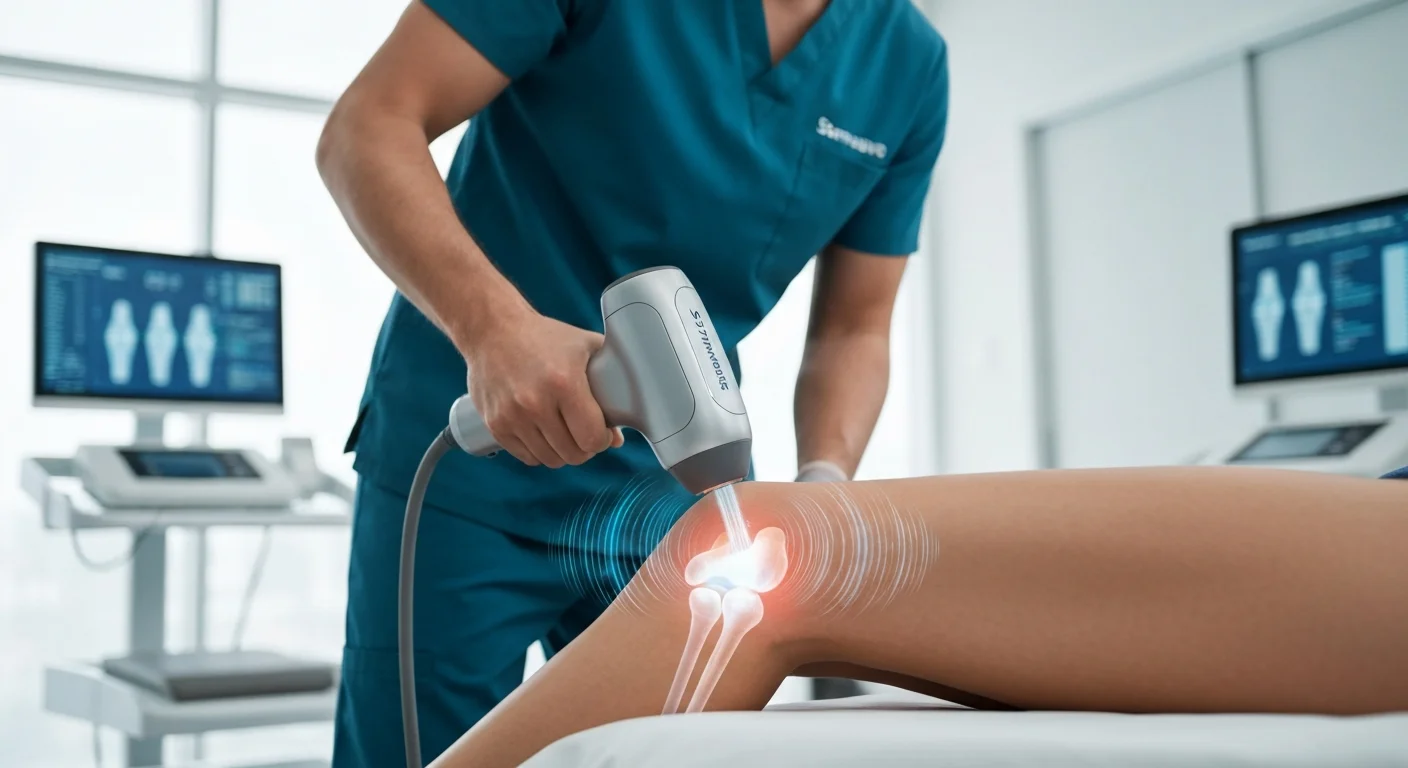
Clinical data gathered through extensive medical trials demonstrates that stemwave technology provides durable pain relief and functional restoration. Patients frequently report significant improvements in mobility and comfort after completing their recommended treatment protocols. Because the therapy addresses the root cause of tissue degeneration, the results are typically long-lasting rather than temporary maskings of pain.
The therapeutic efficacy of this technology is highly documented in peer-reviewed orthopedic literature. Research highlights include:
- A randomized clinical trial published by the American Journal of Sports Medicine reported a success rate exceeding 70% for patients treated with stemwave therapy for chronic insertional tendinopathies.
- Data consolidated by the National Library of Medicine shows that patients undergoing focused electrohydraulic treatments experience an average pain reduction of 60% within twelve weeks of their final session.
- Safety and efficacy reviews conducted by the Food and Drug Administration confirm that focused acoustic wave devices successfully stimulate localized blood flow and tissue regeneration in over 75% of clinical study participants.
These findings show that stemwave therapy is a highly predictable option for chronic pain. Unlike pharmacological options, it does not carry risks of dependency or systemic side effects. The mechanical energy targets only the dysfunctional tissues, leaving surrounding healthy structures completely unaffected. For individuals suffering from chronic joint pain, this treatment offers a reliable path to recovery.
Stemwave Therapy Benefits for Musculoskeletal Recovery
The primary benefits of Stemwave therapy center on its non-invasive nature, safety profile, and ability to accelerate physical recovery. Unlike surgery, which requires incisions and carries risks of infection, this treatment takes place entirely outside the body. Patients do not require anesthesia, sedative medications, or post-procedure immobilization, allowing them to maintain their daily routines.
Furthermore, the therapy requires no downtime. Patients can walk out of the clinic immediately after a session and resume light daily activities. This makes it an attractive option for working professionals, busy parents, and active athletes who cannot afford weeks of recovery time.
- Accelerated Tissue Healing: Stimulates rapid cellular division and collagen production to rebuild worn connective tissues.
- Neovascularization: Promotes the growth of new microscopic blood vessels, permanently improving nutrient delivery to the treated area.
- Immediate Pain Reduction: Temporarily hyper-stimulates pain receptors, leading to an immediate decrease in localized discomfort.
- No Scar Tissue Formation: Avoids the development of surgical scar tissue, which can restrict future joint mobility.
- Synergistic Effects: Pairs exceptionally well with physical therapy and chiropractic adjustments to maximize recovery outcomes.
By stimulating natural healing, this therapy helps patients avoid long-term reliance on non-steroidal anti-inflammatory drugs (NSAIDs). Over time, chronic NSAID use can lead to gastrointestinal issues and cardiovascular risks. Choosing a biological, energy-based therapy protects overall systemic health while resolving local orthopedic pain.
Comparing Stemwave Systems and Radial Alternatives
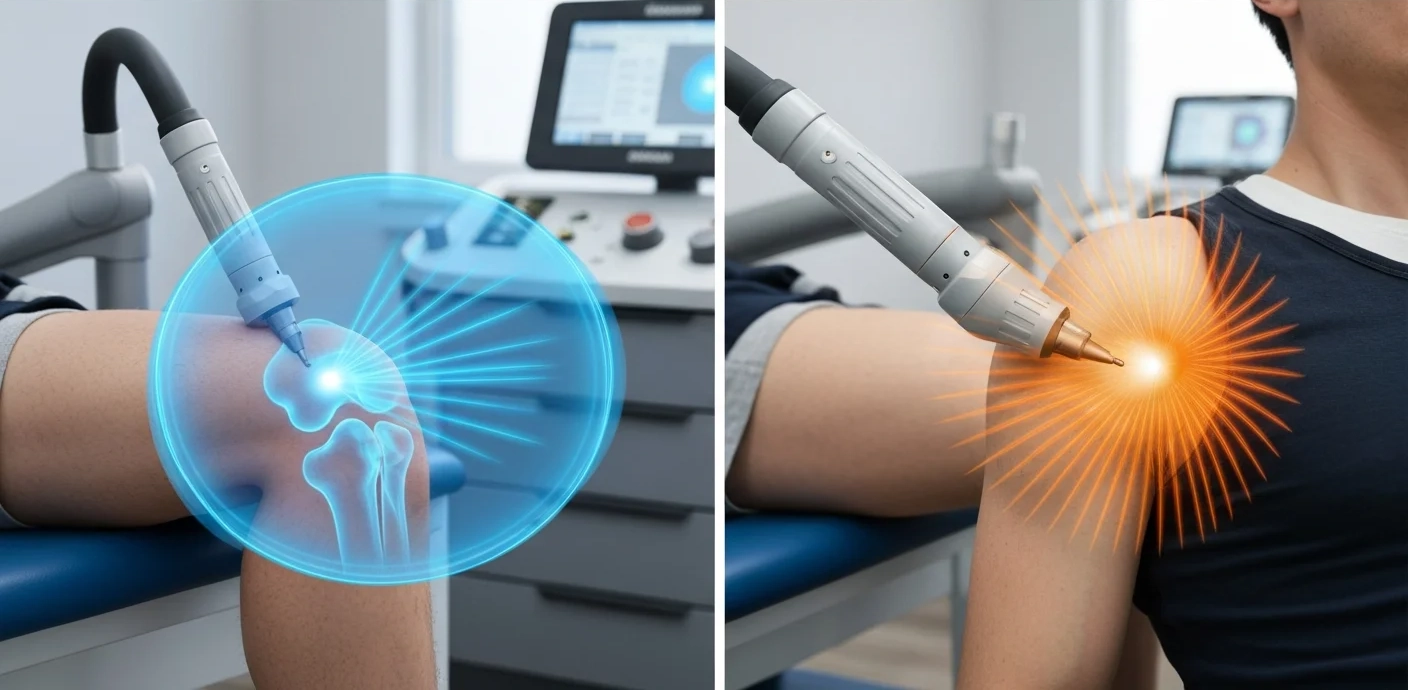
Understanding the distinction between focused electrohydraulic shockwaves and radial pressure waves is crucial for selecting the appropriate treatment. While both therapies use acoustic energy, they distribute that energy differently through human tissue. True focused systems, like StemWave, direct high-pressure waves deep into a specific target zone. Radial systems, on the other hand, generate pressure waves that disperse outward, treating larger, superficial areas.
The following table outlines the technical and clinical differences between these modalities:
| Treatment Parameter | StemWave (Focused Electrohydraulic) | Radial Pressure Wave Therapy | Traditional Class IV Laser Therapy |
|---|---|---|---|
| Energy Distribution | Converging focal point deep in tissue | Diverging wave dispersing superficially | Photothermal energy absorption |
| Max Penetration Depth | Up to 12 centimeters | 3 to 4 centimeters | 5 to 8 centimeters |
| Primary Indication | Deep tendinopathies, joint pathology | Superficial muscles, myofascial trigger points | Acute swelling, surface-level inflammation |
| Tissue Selectivity | Highly selective for damaged cells | Non-selective mechanical pressure | Non-selective cellular absorption |
| Cellular Mechanisms | Mechanotransduction, stem cell activation | Micro-trauma, hyperstimulation of nerves | Photobiomodulation, mitochondrial stimulation |
Because StemWave targets deep tissues, it resolves injuries located near the bone-tendon junction. Radial devices lack the energy density required to reach these deeper structures effectively. Consequently, patients with deep-seated joint issues or insertional tendon pathology achieve superior results with focused electrohydraulic technology.
Safety Profile and Potential Stemwave Therapy Side Effects
StemWave therapy maintains an excellent safety profile with minimal associated side effects. Most patients tolerate the treatment exceptionally well, describing the sensation as a deep, localized pulse. Because the therapy does not break the skin or use thermal energy, the risk of serious complications is incredibly low. Any side effects that do occur are typically mild and resolve without medical intervention.
After a treatment session, some patients may experience temporary, localized reactions in the treated area. These symptoms are normal signs of the body’s inflammatory response, which is necessary to kickstart healing. Common side effects include:
- Mild redness or erythema at the application site.
- Slight localized swelling or puffiness.
- Temporary soreness or an aching sensation similar to a strenuous workout.
- Minor petechiae or bruising in patients with sensitive skin or those taking blood thinners.
An expert clinical recommendation is to avoid taking anti-inflammatory medications, such as ibuprofen or naproxen, immediately after treatment. These medications can suppress the inflammatory cascade that the therapy initiates, reducing the overall efficacy of the treatment. Instead, patients should use ice or acetaminophen if they experience post-treatment soreness.
While safe for most individuals, certain contraindications exist. Clinicians do not administer this therapy over active tumor sites, open wounds, or deep vein thrombosis. Additionally, pregnant patients or individuals with cardiac pacemakers should avoid stemwave therapy in the immediate vicinity of these areas.
What to Expect During Your Treatment Session
A typical treatment session is straightforward, efficient, and requires no special pre-appointment preparation. Patients remain fully awake and comfortable throughout the procedure, which generally takes fifteen to twenty minutes. The clinician guides the patient through each step to ensure maximum comfort and therapeutic accuracy.
To help you prepare, here is the standard clinical sequence for a therapy session:
- Target Identification: The clinician evaluates your painful area and marks the precise zones requiring treatment.
- Coupling Gel Application: A hypoallergenic ultrasound gel is applied to the skin to ensure the acoustic waves transfer efficiently into your tissues.
- Device Placement: The clinician places the handpiece against your skin, starting with low-energy pulses to assess your initial sensitivity.
- Energy Calibration: The operator gradually adjusts the energy level, targeting the areas of maximum discomfort to stimulate cellular repair.
- Post-Treatment Evaluation: The gel is wiped away, and the clinician assesses your immediate range of motion and pain levels.
Most patients require a series of four to eight sessions scheduled once per week. Because the cellular healing process takes time, the maximum therapeutic benefits typically appear six to twelve weeks after completing the full treatment protocol.
Frequently Asked Questions
How many StemWave therapy sessions do patients need?
Most patients require a treatment protocol consisting of four to eight sessions. Clinicians typically schedule these visits once per week to allow tissues to recover and initiate cellular remodeling between treatments. Your specific protocol will depend on the chronicity and severity of your condition.
Is StemWave treatment painful during the session?
Patients experience a deep, pulsing sensation that can cause mild discomfort over injured or inflamed tissues. The clinician can adjust the energy levels instantly to ensure the treatment remains within your tolerance limits. Most patients describe the sensation as easily manageable and report that any discomfort subsides immediately after the session ends.
What is the recovery time after receiving this therapy?
There is absolutely no recovery downtime required after a treatment session. You can immediately return to your normal daily activities, work, and light exercise. Clinicians recommend avoiding high-impact activities or heavy lifting for 24 to 48 hours after a session to protect the healing tissues.
Can StemWave therapy successfully treat chronic joint pain?
Yes, this therapy is highly effective for chronic joint pain caused by osteoarthritis, tendon degeneration, and ligament sprains. By increasing local blood circulation and initiating cellular repair, it helps restore joint mobility and significantly reduces daily discomfort. It works particularly well when combined with customized rehabilitation exercises.
Which medical conditions restrict the use of this treatment?
Contraindications include active malignancies, open wounds, deep vein thrombosis, and acute local infections. Additionally, patients who are pregnant or have cardiac pacemakers should not receive treatment near those specific anatomical areas. Always discuss your complete medical history with your provider prior to starting therapy.