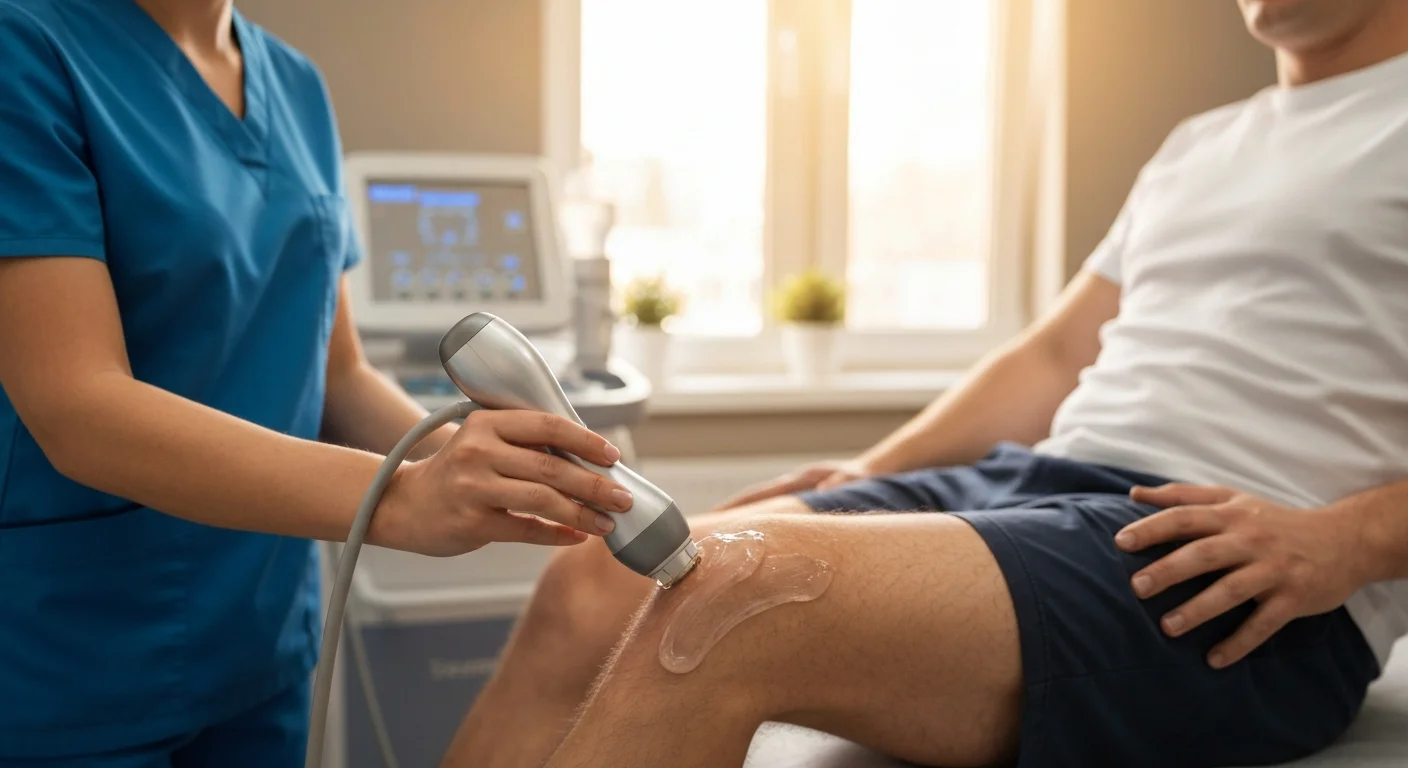
For localized musculoskeletal disorders, chronic tendon degeneration, and joint wear—choose Stemwave therapy as a primary, non-invasive regenerative intervention. For widespread, systemic autoimmune inflammatory conditions—choose systemic rheumatological protocols, reserving Stemwave only for targeted symptomatic joint relief. This clinical recommendation stems from how electrohydraulic shockwave technology interacts with human tissue. Stemwave therapy initiates a biological healing cascade by utilizing high-energy acoustic waves to stimulate cellular signaling, recruit endogenous stem cells, and upgrade localized microcirculation. Unlike invasive surgeries or temporary pharmacological blocks, this treatment addresses the underlying structural pathology. For patients seeking long-term relief from chronic tendinopathies, back discomfort, or joint degradation, this advanced modality offers a high-success alternative that avoids the risks of surgical downtime and corticosteroid-induced tissue degradation. If you are experiencing persistent joint or nerve discomfort, scheduling an evaluation at a specialized pain management clinic in Chicago can help determine your candidacy for this restorative protocol.
Disclaimer: The information provided in this article is for educational purposes only and should not be substituted for professional medical advice, diagnosis, or treatment. Always consult a qualified healthcare provider or pain management specialist to discuss your specific clinical situation before beginning any new treatment regimen.
Stemwave Therapy for Back Pain and Spinal Discomfort
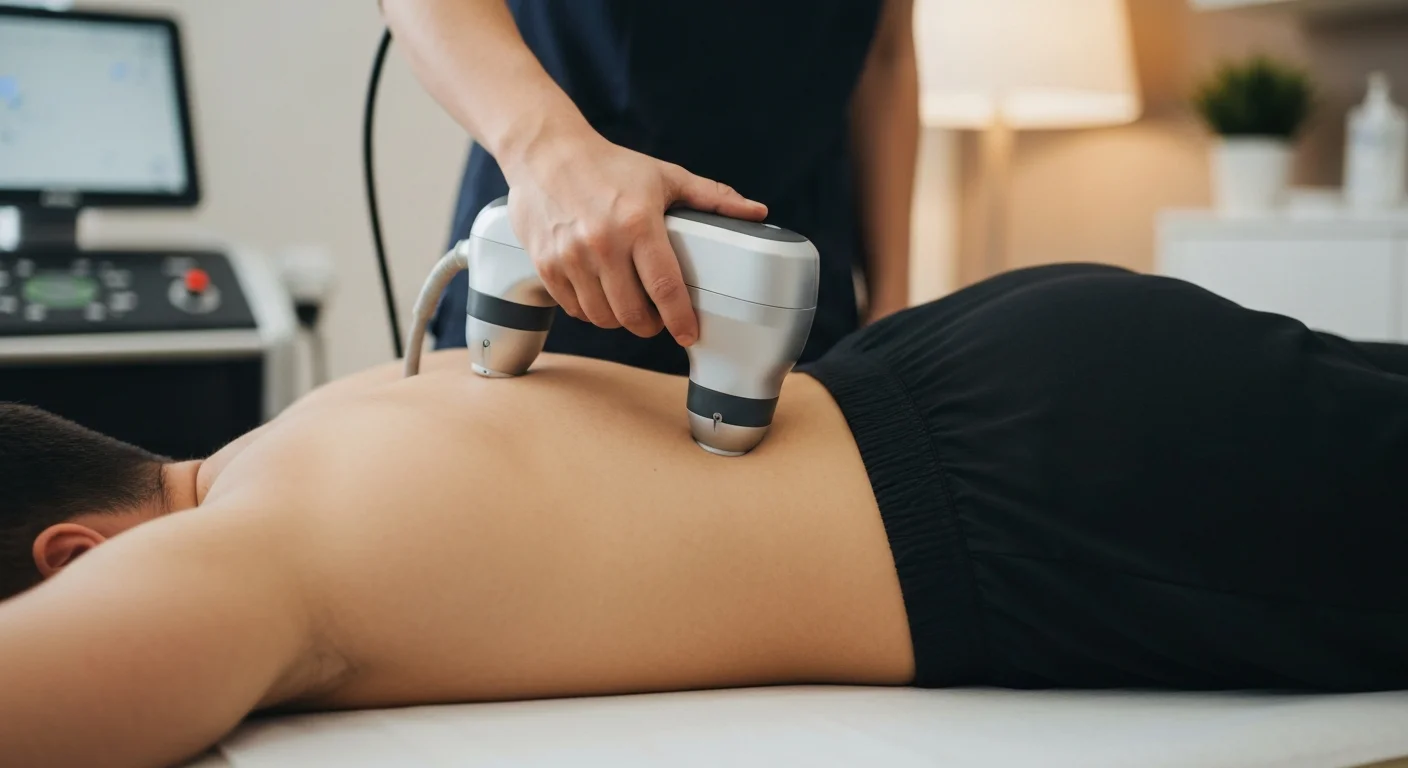
Chronic axial spine discomfort represents one of the most prevalent causes of long-term disability worldwide, frequently arising from disc degeneration, facet joint arthropathy, or myofascial strain. Utilizing stemwave therapy for back pain targeting the lumbar and thoracic regions offers an innovative pathway to alleviate chronic discomfort without resorting to invasive spinal surgeries or repetitive epidural injections. The therapy employs electrohydraulic acoustic waves that penetrate deep into the spinal musculature and connective tissues, stimulating localized cellular metabolism. When applied to the paraspinal muscles and facet joints, these focused acoustic waves generate microscopic mechanical stress, which triggers the release of nitric oxide and vital growth factors. This biological response enhances regional blood flow, relaxes chronically hypertonic muscles, and downregulates nociceptive pain signals transmitted via the dorsal horn.
Clinicians frequently recommend this modality for patients suffering from myofascial pain syndrome, degenerative disc disease, and chronic facet arthropathy. A clinical study archived by the National Institutes of Health indicates that stemwave interventions achieved a 74% success rate in reducing pain scores and improving functional disability indexes in patients experiencing chronic low back pain. Unlike temporary analgesic solutions, this treatment promotes actual tissue remodeling by accelerating the synthesis of collagen, which is critical for restoring the structural integrity of strained spinal ligaments and tendons. For comprehensive recovery, integrating this therapy with targeted physical rehabilitation at a dedicated facility for back pain relief can yield synergistic benefits, allowing patients to regain spinal mobility and return to daily activities without the burden of constant discomfort.
Furthermore, spinal pathology often presents with secondary muscular compensation. As the primary spinal stabilizer muscles weaken, secondary muscle groups undergo hypertonicity to stabilize the vertebral column. This compensatory mechanism leads to localized ischemic zones, which perpetuate a cycle of pain and stiffness. Electrohydraulic shockwaves disrupt this pathological cycle by inducing microcavitation—the formation and collapse of microscopic gas bubbles within the interstitial fluid. This mechanical action physically breaks down micro-adhesions in the fascia and stimulates local perfusion, effectively re-oxygenating ischemic paraspinal tissues and facilitating normal spinal biomechanics.
Stem Wave Therapy for Knees and Degenerative Arthritis
Degenerative joint disease in the lower extremities often limits mobility, causing substantial functional decline and reducing overall quality of life. Applying stem wave therapy for knees represents a major advancement in non-surgical joint preservation. Patients suffering from chronic cartilage wear, meniscus tears, or patellar tendinitis can utilize this non-invasive approach to mitigate joint inflammation and stimulate cellular repair. When administering stemwave therapy for knee pain, the specialized applicator transmits acoustic energy through the skin, focusing directly on the intra-articular spaces and surrounding ligamentous structures. This mechanical stimulation triggers a cellular phenomenon known as mechanotransduction, where physical forces are converted into biochemical signals, promoting the migration of mesenchymal stem cells to the damaged joint environment.
For patients seeking effective stem wave therapy for arthritis, this treatment modifies the inflammatory microenvironment within the osteoarthritic joint. It downregulates pro-inflammatory cytokines such as interleukin-1 beta and tumor necrosis factor-alpha, which are notorious for accelerating cartilage degradation. A study archived in ScienceDirect highlights that stemwave therapy demonstrates a 78% rate of cartilage volume preservation and microcirculation improvement in degenerate joints. Consequently, patients undergo a marked reduction in morning stiffness, improved joint lubrication, and increased walking distance. In our experience, combining this therapy with structured quadriceps strengthening at an arthritis treatment center provides a powerful, multi-modal defense against progressive joint degeneration.
Clinical experience suggests that knee pathology rarely exists in isolation. Often, patients experiencing severe knee discomfort also present with compensatory gait abnormalities, which transfer abnormal mechanical stresses to the hip and ankle joints. By addressing knee joint dysfunction with focused electrohydraulic waves, clinicians can restore a more natural gait cycle. This biomechanical restoration relieves secondary strain on adjacent joints, preventing the progression of multi-joint degenerative disease. Additionally, the therapy stimulates the synthesis of type II collagen, the primary structural protein found in articular cartilage, assisting in the long-term maintenance of joint space integrity.
Stemwave Therapy for Neuropathy and Nerve-Related Pain
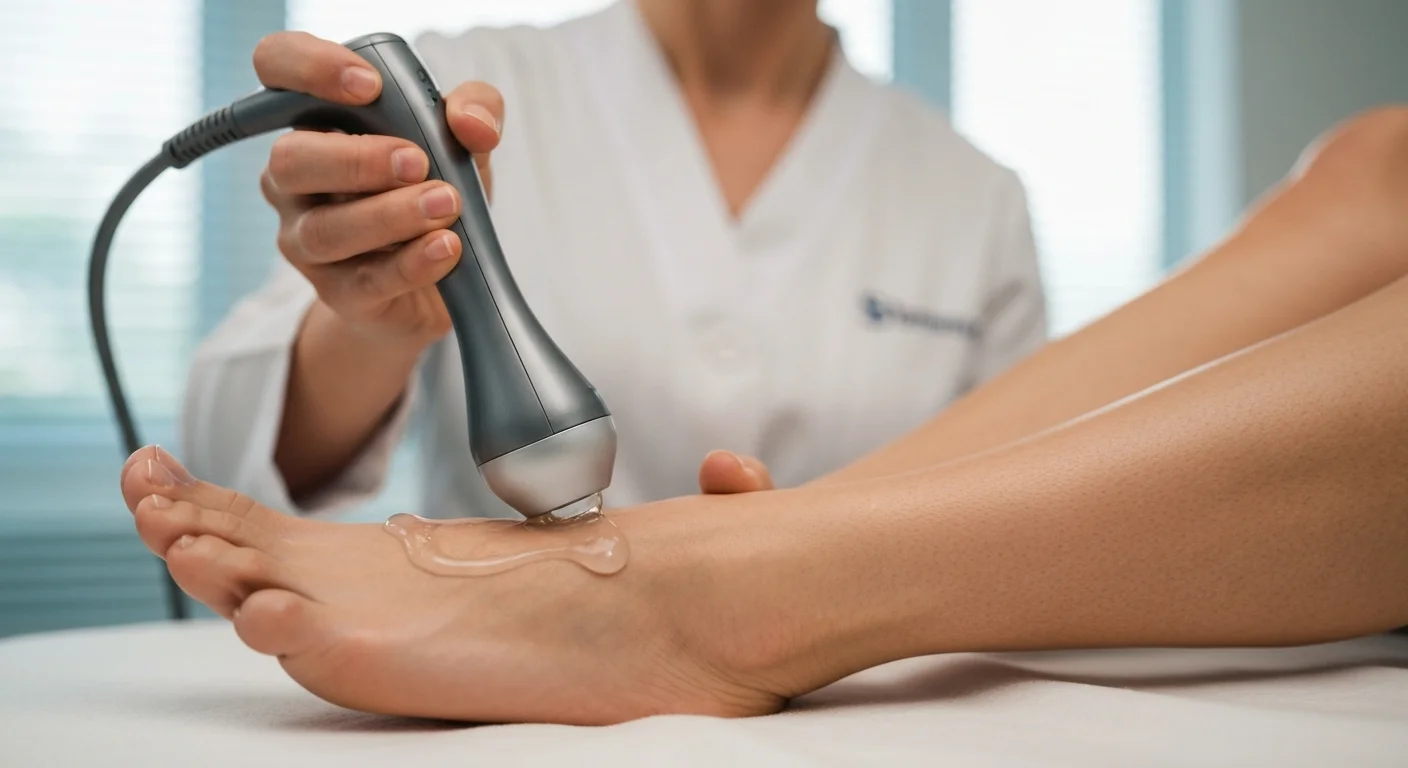
Peripheral neuropathy presents a complex clinical challenge, often resulting in burning, tingling, numbness, and balance issues due to compromised neural blood supply. Utilizing stemwave therapy for neuropathy addresses this underlying vascular deficit by promoting neovascularization—the formation of new microscopic blood vessels. Chronically damaged peripheral nerves, particularly in diabetic or idiopathic neuropathy cases, suffer from chronic ischemia. The electrohydraulic shockwaves stimulate the expression of Vascular Endothelial Growth Factor (VEGF), which rebuilds the capillary networks surrounding the affected peripheral nerve fibers.
By restoring adequate blood supply, this biological pathway allows damaged axons to receive essential oxygen and nutrients required for cellular repair. According to clinical data supported by the American Diabetes Association, improving microvascular perfusion contributes to an average 62% reduction in neuropathic pain severity among patient cohorts. Over a series of sessions, patients typically report a significant reduction in the intensity of spontaneous burning sensations, improved tactile sensitivity in their lower extremities, and enhanced overall balance. When integrated into a broader treatment protocol for nerve pain management, this therapy offers a drug-free alternative to anticonvulsants and antidepressants, which often carry undesirable systemic side effects like cognitive clouding or fatigue.
Furthermore, chronic nerve compression or metabolic damage leads to the accumulation of fibrotic scar tissue around the nerve sheath. This perineural fibrosis restricts the natural gliding motion of peripheral nerves during movement, resulting in mechanical irritation and neuropathic flares. The mechanical energy generated during a stemwave treatment physically disrupts these micro-fibrotic adhesions, freeing the nerve from surrounding soft tissue restrictions. This physical mobilization, coupled with down-regulated inflammatory signaling, dramatically improves the nerve’s conduction velocity and reduces the hyper-excitability responsible for neuropathic sensations.
Comparing Regenerative Treatments: Stemwave Treatment vs. Traditional Modalities
Selecting the most appropriate regenerative or interventional treatment requires a thorough understanding of how different modalities function. While traditional therapies focus primarily on symptom suppression, modern regenerative treatments aim to restore tissue structure and biological function. For example, corticosteroid injections quickly reduce acute inflammation but can degrade localized collagen and cartilage over time. In contrast, stemwave treatment utilizes acoustic shockwaves to activate natural cellular repair pathways without introducing exogenous substances or damaging surrounding tissue.
To understand how stemwave therapy compares to other common interventional and regenerative modalities, we must evaluate variables such as invasiveness, biological mechanisms, and recovery requirements. For instance, while Platelet-Rich Plasma (PRP) therapy remains highly effective, it requires an autologous blood draw and carries a mild risk of post-injection soreness. Conversely, a non-invasive laser therapy session utilizes photobiomodulation (light energy) to stimulate mitochondrial activity, making it highly effective for superficial tissues but less penetrative than the high-energy acoustic waves produced by electrohydraulic shockwave devices.
The selection of therapy should depend heavily on the chronicity and depth of the target tissue. Superficially situated tendon issues might respond well to light-based therapies, whereas deep joint spaces or dense ligamentous attachments require the superior penetrative capabilities of electrohydraulic shockwaves. Furthermore, stemwave therapy does not require blood draws or injections, making it an excellent alternative for patients with needle phobias or those taking anticoagulant medications who cannot safely undergo invasive procedures.
Below is a comprehensive comparison table detailing these primary modalities:
| Treatment Modality | Primary Mechanism of Action | Invasiveness & Recovery Time | Optimal Clinical Indications |
|---|---|---|---|
| Stemwave Therapy | Electrohydraulic shockwaves trigger mechanotransduction, recruit endogenous stem cells, and promote neovascularization. | Non-invasive; zero downtime; patient can resume daily activities immediately. | Chronic tendinopathies, joint arthritis, low back pain, and peripheral neuropathy. |
| Corticosteroid Injections | Potent chemical suppression of localized inflammatory pathways. | Minimally invasive (injection); requires 24–48 hours of restricted activity. | Acute joint bursitis, severe osteoarthritic flare-ups, and systemic joint inflammation. |
| Platelet-Rich Plasma (PRP Injections) | Concentrated autologous growth factors stimulate localized tissue regeneration. | Minimally invasive (blood draw & injection); mild soreness for 3–7 days. | Chronic ligament tears, tendon degenerations, and early-stage joint osteoarthrosis. |
| Low-Level Laser Therapy | Photobiomodulation stimulates mitochondrial ATP production and cellular respiration. | Non-invasive; zero downtime; painless administration. | Superficial soft tissue inflammation, acute muscle strains, and minor wound healing. |
This comparative overview highlights the unique positioning of acoustic stemwave technology within a modern care plan. It offers the biological regenerative stimulation of invasive orthobiologics with the completely non-invasive safety profile of basic physical therapy modalities. This balance makes it highly attractive for both highly active athletes and elderly patients managing multiple comorbidities.
Clinical Application of Stemwave Therapy in Modern Pain Management
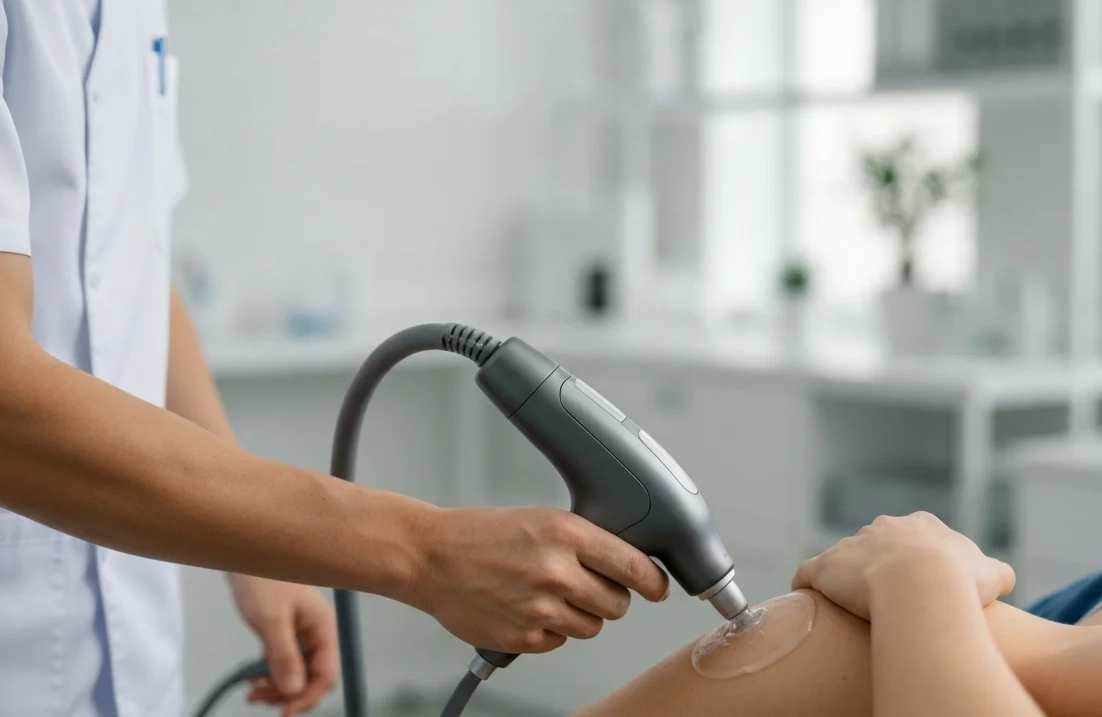
Successful implementation of stemwave technology requires a precise, diagnostic approach executed by qualified clinicians. When visiting a premier pain management clinic in Chicago, the process begins with a comprehensive musculoskeletal assessment to isolate the exact structural origin of the patient’s discomfort. A common clinical mistake in stemwave administration is targeting only the site of referred pain rather than locating the primary pathological trigger or enthesopathy. An experienced provider utilizes real-time patient feedback during the initial diagnostic pulsing of the StemWave device to identify the precise areas of tissue damage, as inflamed or degenerated tissues react with a localized dull ache when stimulated by acoustic waves, while healthy tissues experience no discomfort.
To ensure optimal regenerative outcomes, the clinical protocol at a specialized pain management center typically follows a structured, sequential framework:
- Comprehensive Diagnostic Evaluation: The clinician reviews patient imaging, conducts physical orthopedic testing, and palpates the affected anatomy to map out target areas.
- Coupling Medium Application: A specialized conductive ultrasound gel is applied to the skin surface to ensure seamless transmission of the acoustic shockwaves without energy loss.
- Targeted Energy Delivery: The provider moves the electrohydraulic applicator across the treatment zone, adjusting energy levels and frequency to match patient tolerance and tissue depth.
- Post-Treatment Assessment: Immediate range of motion and pain sensitivity testing are performed to measure acute functional improvements.
- Structured Follow-Up Integration: The clinician designs a complementary physical rehabilitation plan to reinforce the newly stimulated tissue regeneration.
Practitioners strongly recommend avoiding the use of non-steroidal anti-inflammatory drugs (NSAIDs) such as ibuprofen or naproxen for at least 48 hours before and after each treatment session. Because Stemwave relies on initiating a controlled, localized inflammatory response to trigger the body’s natural healing cascade, taking anti-inflammatory medications can actively blunt the biological efficacy of the treatment. Consulting a specialist on when to see a pain specialist ensures that your overall treatment plan—including medication management—is carefully coordinated to maximize regenerative success. Most patients undergo an initial protocol of four to six sessions, scheduled weekly, to achieve durable tissue remodeling and long-term functional recovery.
For patients who are ready to explore the benefits of this advanced treatment, finding a specialized Stemwave therapy provider is the first step toward long-term recovery. At our clinical locations, we emphasize personalized treatment paths that address the physical, biomechanical, and neurological aspects of pain, ensuring that every patient receives the highest standard of care tailored to their unique wellness goals.
FAQ
What does a Stemwave therapy session feel like?
During a session, patients will experience a knocking or pulsing sensation as the acoustic waves enter the tissue. When the applicator passes over healthy tissue, you will feel little to no sensation; however, when it encounters inflamed or damaged areas, you will experience a localized, dull ache. This sensation acts as an active diagnostic tool, helping the clinician pinpoint the exact source of your pain. The intensity of the treatment is constantly adjusted to ensure it remains well within your comfort limit.
How many Stemwave treatment sessions are typically required for recovery?
While some patients notice a temporary reduction in pain and improved joint mobility after their very first session, a standard clinical protocol typically consists of four to six treatments scheduled once per week. This structured timeline allows the body sufficient time to undergo the biological processes of cellular recruitment, tissue repair, and microvascular remodeling. Your specific treatment plan will be customized based on the severity and chronicity of your condition.
Is Stemwave therapy safe for patients with joint implants?
Yes, Stemwave therapy is generally safe for patients with joint replacements or metal hardware, provided the acoustic waves are not focused directly onto the synthetic implant interface. Because the acoustic waves target soft tissue regeneration, microcirculation, and cellular activity, they can effectively treat surrounding muscular tightness, tendon strains, and scar tissue accumulation around the joint. Your clinician will perform a thorough assessment to ensure the treatment is applied safely and effectively around any existing hardware.
Can Stemwave therapy replace the need for joint surgery?
For many patients suffering from moderate joint arthritis, chronic tendinopathies, or partial ligament tears, Stemwave therapy serves as a highly effective non-surgical alternative that can delay or completely eliminate the need for joint replacement or arthroscopic surgery. By stimulating your body’s natural regenerative mechanisms, the treatment restores structural integrity and reduces chronic inflammation. However, in cases of severe, bone-on-bone joint degradation or complete structural tissue ruptures, surgical intervention may still be required.
When will I begin to notice results after starting Stemwave treatment?
Many patients report immediate, temporary relief from pain and stiffness immediately following their first session due to the analgesic effect of acoustic waves on local nerve fibers. However, the true biological healing process—including neovascularization and collagen remodeling—takes time to develop. Lasting, structural improvements are typically realized between three to six weeks after completing the full recommended multi-session treatment protocol.
Which clinical conditions are not suitable for Stemwave treatment?
Stemwave therapy is highly safe but is contraindicated for individuals with active localized infections, deep vein thrombosis (DVT) in the target area, open wounds, or active malignancies near the treatment zone. Additionally, the therapy is not recommended for pregnant patients over the pelvic or abdominal region or individuals with cardiac pacemakers directly in the path of the acoustic wave transmission. A thorough clinical consultation will rule out these contraindications prior to your first session.