Shingles is a painful condition caused by the same virus behind chickenpox – the varicella-zoster virus.
After chickenpox goes away, the virus doesn’t leave the body. It goes quiet and hides in nerve tissue near the spine, where it can stay dormant for years. Later in life, it can reactivate, traveling along a nerve out to the skin. That’s what causes shingles – usually a band of painful rash and blisters on one side of the body or face.
Because it works through the nervous system, the pain can be very intense, often burning, stabbing, or electric-shock-like, with the skin remaining sensitive to even light touch.
Most cases are clear within a few weeks. But sometimes the nerve remains irritated long after the rash fades, causing a condition called postherpetic neuralgia, in which pain can linger for months or years. That lasting nerve pain is why shingles pain relief requires pain management, not just a skin treatment.
Antiviral drugs can shorten an active outbreak and reduce its severity, especially when started early. Alongside these, pain relievers and nerve pain medications help.
Applied directly to the skin, shingles pain management options such as lidocaine patches or capsaicin cream numb the area and calm irritated nerves.
Steroid injections can reduce inflammation around the affected nerve, easing pain and helping limit the risk of lingering nerve damage after the rash clears.
A local anesthetic injected near the affected nerve interrupts the pain signals before they reach the brain. Nerve block therapy is especially useful for severe or persistent shingles pain.
For ongoing nerve pain that doesn’t respond to other treatments, radiofrequency ablation uses heat to disrupt the specific nerve sending pain signals.
Rest, stress management, loose clothing, and cool compresses can ease symptoms during an outbreak.
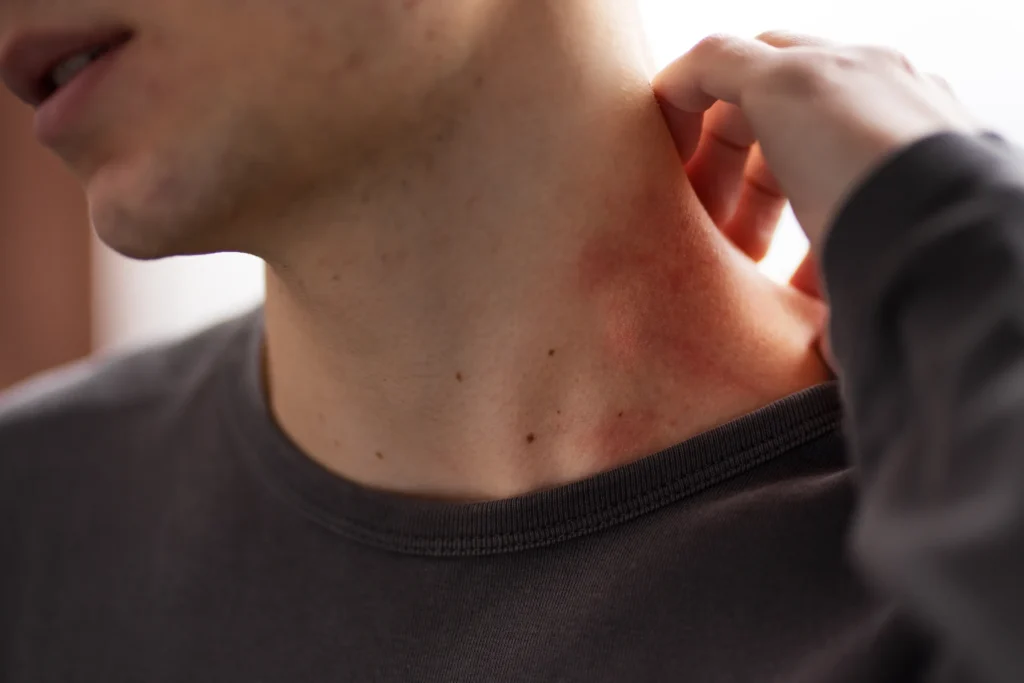
In most cases, shingles can be diagnosed simply by looking at it. The rash has a distinctive pattern – a band of blisters on one side of the body that doesn’t cross the midline.
When the diagnosis is less clear, a simple lab test can confirm it. A small sample of fluid from a blister is checked for the varicella-zoster virus.
As soon as you can. Shingles nerve pain relief responds best to early treatment, ideally within the first few days of the rash appearing. Acting quickly can ease pain sooner and reduce the risk of lasting nerve pain.
You should also see a specialist if the pain lingers after the blisters clear, is severe, or interferes with sleep and daily life. Postherpetic neuralgia is much easier to manage when it’s addressed early rather than left to settle in.
If shingles is affecting your face or eyes, treat it as urgent – that needs immediate attention to protect your vision.
Shingles pain can be overwhelming, disrupting sleep and the simple comfort of getting through a day. At Painless Medical Practice in Chicago, IL, Dr. Tymouch treats it with the seriousness it requires, targeting the nerve at the root of the problem rather than just dulling the symptoms.
With over 20 years of experience handling complex nerve pain, from shingles to CRPS treatment, Dr. Tymouch knows how to match the best possible treatment to your specific health situation.
As a pain management clinic in Chicago, IL, built around real, measurable results, our goal is to ease your pain quickly and help keep it from coming back. There’s no point in enduring the pain – book a consultation in Chicago, IL, and let us help you achieve shingles pain relief.


Shingles pain relief may include antiviral medications, pain relievers, topical creams, nerve blocks, injections, and lifestyle measures such as rest and cool compresses. Early treatment can help reduce pain and lower the risk of long-term nerve damage.

Shingles is caused by the reactivation of the varicella-zoster virus, the same virus that causes chickenpox. Age, stress, a weakened immune system, and certain health conditions can increase the risk of an outbreak.
Common symptoms include burning or tingling pain, a blistering rash on one side of the body, skin sensitivity, itching, and flu-like symptoms. Some people continue to experience nerve pain even after the rash has healed.
Yes, shingles can cause muscle pain and general body aches, especially during an active outbreak. In some cases, ongoing nerve irritation may contribute to discomfort that feels like muscle pain, making proper shingles pain management important.