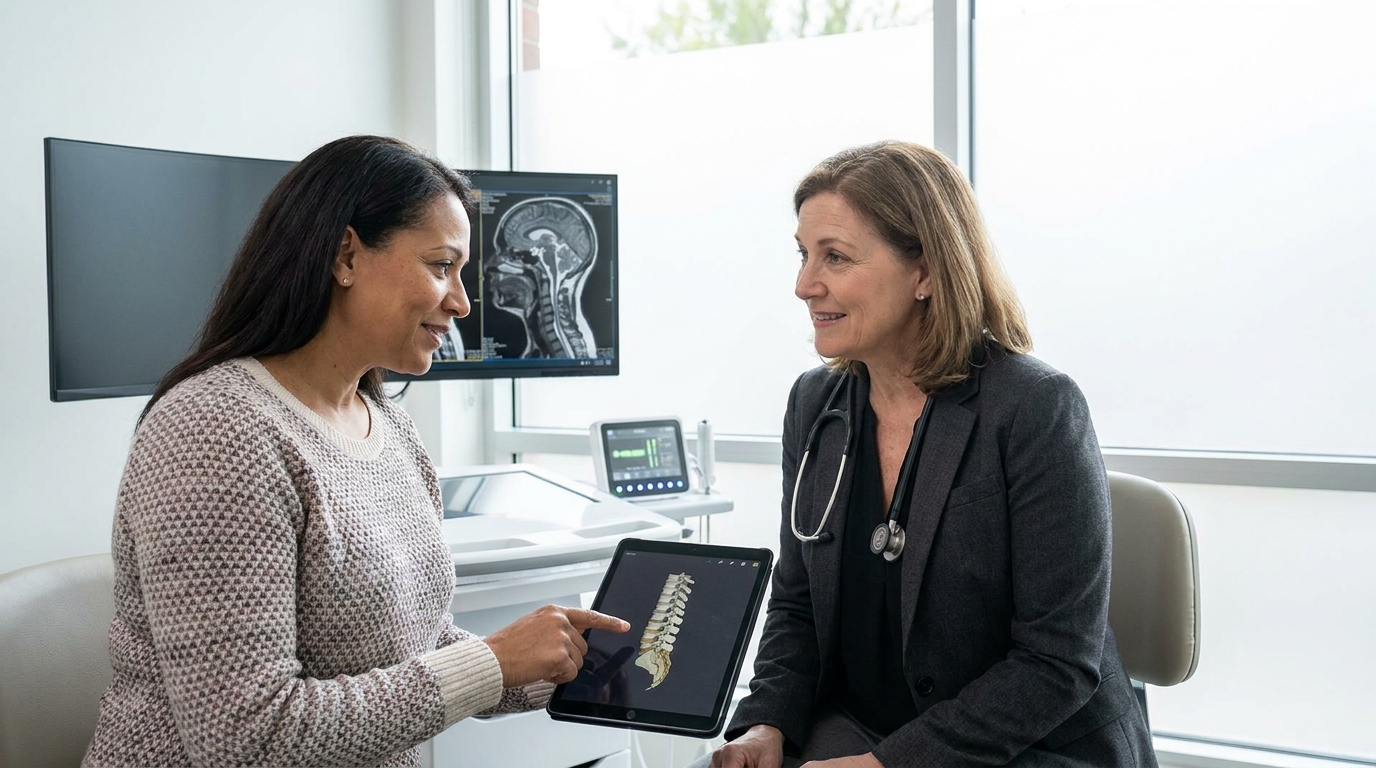
Advanced pain management centers in Chicago offer sophisticated, multidisciplinary approaches to alleviate chronic and acute pain, moving beyond conventional symptomatic treatments to target underlying pathologies and restore functional capacity. For individuals experiencing persistent discomfort that significantly impacts daily life, a comprehensive pain management clinic employs a spectrum of diagnostic and therapeutic modalities. These include precise interventional procedures like epidural injections for spinal pain or facet joint injections for arthritic spinal joints, alongside cutting-edge regenerative medicine therapies such as Platelet-Rich Plasma (PRP) to promote tissue repair. Concurrently, tailored non-pharmacological strategies, including physical therapy, psychological support, and lifestyle modifications, are integrated to empower patients in managing their condition long-term. This integrated methodology ensures personalized care designed not merely to reduce pain but to enhance overall quality of life and functional independence, providing a holistic pathway to sustainable relief.
The Evolution of Pain Management Paradigms
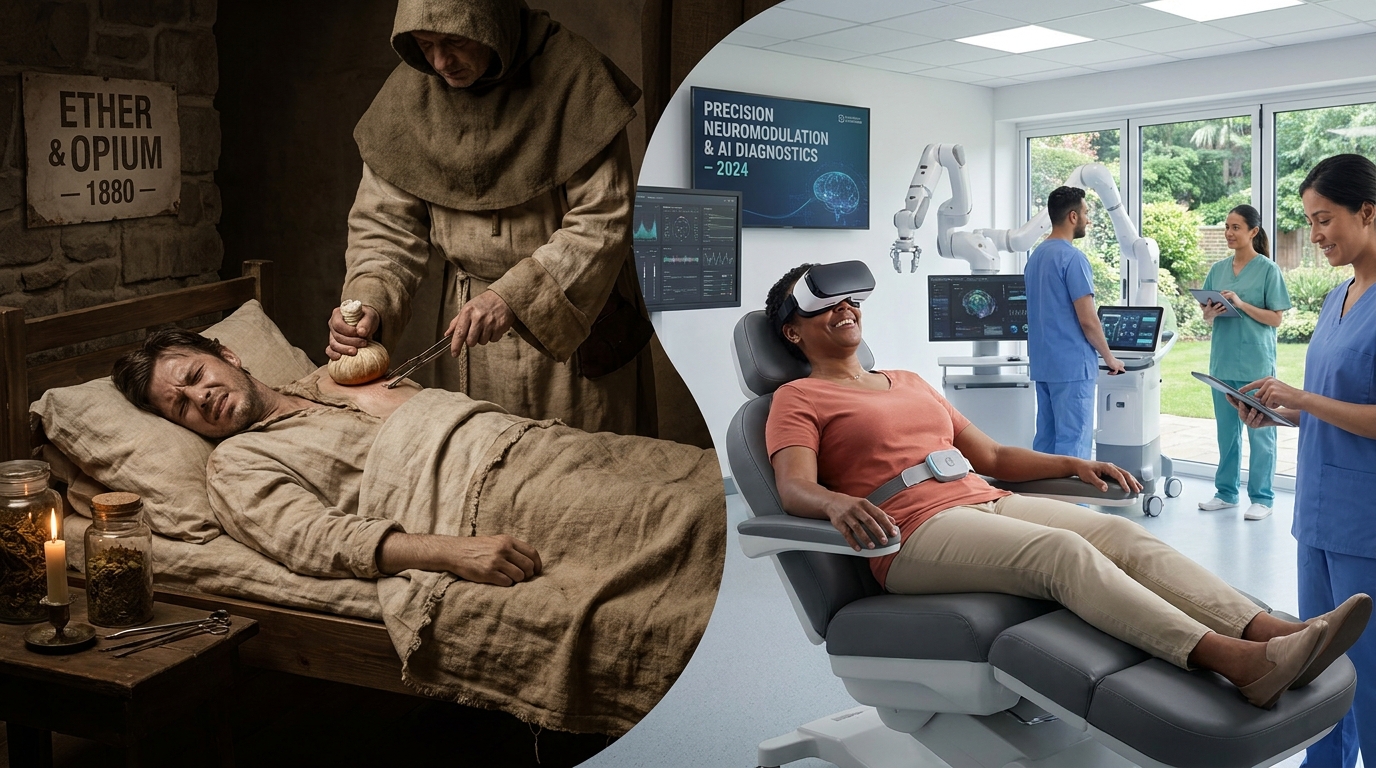
The field of pain management has undergone a significant transformation, evolving from a reactive model focused primarily on symptom suppression to a proactive, interventional, and rehabilitative discipline. Historically, pain relief often relied on systemic analgesics, which, while effective for acute pain, presented limitations for chronic conditions, including potential for dependency and adverse side effects. Modern pain management acknowledges pain as a complex biopsychosocial phenomenon, requiring a nuanced understanding of its physiological, psychological, and social dimensions. This paradigm shift emphasizes identifying the precise pain generators rather than broadly treating symptoms, leading to more targeted and effective interventions.
Current approaches prioritize functional restoration and long-term well-being. According to the Centers for Disease Control and Prevention (CDC), an estimated 20.4% of U.S. adults experienced chronic pain in 2016, with 8.0% experiencing high-impact chronic pain. This widespread prevalence underscores the necessity for advanced strategies that can address diverse etiologies and patient needs. The goal extends beyond mere pain reduction to include improving daily activities, enhancing sleep quality, and fostering mental resilience. This comprehensive perspective enables practitioners to craft personalized treatment plans that leverage the most appropriate and least invasive techniques first, escalating care only when clinically indicated. The integration of various specialties, including physiatry, anesthesiology, neurology, and psychology, is now standard practice in an advanced pain management center.
Modern Approaches to Chronic Pain Management
Modern pain management harnesses a diverse array of therapies, ranging from minimally invasive interventional procedures to innovative regenerative medicine techniques and advanced physical modalities. These approaches are selected based on a thorough diagnostic evaluation, considering the specific pain source, patient health, and individual goals. The overarching aim is to minimize pharmaceutical reliance, particularly opioids, and promote the body’s natural healing mechanisms where possible.
Interventional Pain Procedures
Interventional procedures are cornerstones of modern pain management, offering targeted relief by directly addressing the source of pain. These techniques often involve injecting therapeutic agents or employing energy-based modalities under image guidance (fluoroscopy or ultrasound) to ensure precision and safety.
- Epidural Injections: These involve delivering corticosteroids and local anesthetics into the epidural space of the spine. They are highly effective for radiating pain caused by nerve compression, such as sciatica due to disc herniation. The anti-inflammatory effect reduces nerve irritation, providing significant relief.
- Facet Joint Injections and Medial Branch Blocks: Facet joints in the spine can become arthritic and painful. Facet joint injections deliver medication directly into these joints, while medial branch blocks target the nerves that supply sensation to these joints. Both are diagnostic and therapeutic for back pain or neck pain originating from these structures.
- Nerve Blocks: Various nerve blocks target specific nerves or nerve plexuses responsible for transmitting pain signals. Examples include peripheral nerve blocks for localized pain, sympathetic blocks for complex regional pain syndrome (CRPS), and occipital nerve blocks for migraines and chronic headaches.
- Trigger Point Injections: These injections address myofascial pain by introducing local anesthetic, sometimes with corticosteroids, into tight bands of muscle (trigger points). They can provide substantial relief from localized muscle pain and improve range of motion.
- Botox Injections: While commonly known for cosmetic uses, Botox injections are also an approved treatment for chronic migraines and certain types of muscle spasticity, working by blocking nerve signals that cause pain or muscle contraction.
Regenerative Medicine Therapies
Regenerative medicine focuses on leveraging the body’s natural healing capabilities to repair damaged tissues and reduce pain. These therapies represent a promising frontier in chronic pain management, particularly for musculoskeletal conditions and arthritis.
- Platelet-Rich Plasma (PRP) Injections: PRP therapy involves concentrating platelets from a patient’s own blood and injecting them into injured areas. Platelets contain growth factors that stimulate tissue repair and reduce inflammation. It is increasingly used for joint pain, tendon injuries, and osteoarthritis.
- Stemwave Therapy: This advanced regenerative therapy uses acoustic waves to stimulate cellular repair processes. It can enhance blood flow, reduce inflammation, and promote the regeneration of damaged tissues, offering a non-invasive option for various musculoskeletal conditions.
- Viscosupplementation: This treatment involves injecting hyaluronic acid into arthritic joints, particularly the knees. Products like Synvisc-One, Hyalgan, Supartz, and Zilretta act as lubricants and shock absorbers, restoring the natural joint fluid properties and reducing pain in knee pain from osteoarthritis.
Advanced Physical Modalities
Beyond injections, modern pain management integrates various physical therapies and technologies to reduce pain and improve function.
- Shockwave Therapy: Similar to Stemwave, shockwave therapy uses high-energy acoustic waves to target chronic pain points, particularly in tendons, ligaments, and bone. It stimulates healing, reduces inflammation, and can break down calcifications.
- Laser Therapy: Laser therapy (Low-Level Laser Therapy or Cold Laser Therapy) employs specific wavelengths of light to penetrate tissues, promoting cellular regeneration, reducing inflammation, and alleviating pain. It is non-invasive and often used for neuropathic pain and musculoskeletal injuries.
The average cost for an advanced interventional pain procedure can range significantly based on complexity, location, and insurance coverage. For instance, a single epidural steroid injection might cost between $300-$1,000 without insurance, while regenerative medicine treatments like PRP can range from $500-$2,000 per injection. These costs often decrease significantly with proper insurance benefits, but patient responsibility may include deductibles and co-pays. It is crucial for patients to verify coverage with their provider prior to treatment.
Comprehensive Strategies at an Advanced Pain Management Center
An advanced pain management center differentiates itself through a holistic, multidisciplinary strategy, ensuring that all facets of a patient’s pain experience are addressed. This involves integrating various treatment modalities, focusing on the patient as a whole rather than just their symptoms. A key component of this strategy is the development of a personalized treatment plan, which is dynamic and adapted based on patient response and evolving clinical needs.
The interdisciplinary team typically includes pain physicians, physical therapists, occupational therapists, psychologists, and sometimes nutritionists or chiropractors. This collaborative approach allows for a synergistic effect, where combined therapies yield better outcomes than single treatments in isolation. For instance, a patient receiving joint injections for hip pain might concurrently engage in physical therapy to strengthen surrounding muscles and improve mobility, while also participating in cognitive behavioral therapy to address pain-related anxiety or depression. This comprehensive strategy is crucial for long-term success and for fostering patient self-management skills.
Non-Pharmacological Interventions
Non-pharmacological pain management plays a critical role in minimizing reliance on medication and enhancing overall well-being. These interventions are often foundational to an advanced treatment plan.
- Physical Therapy and Occupational Therapy: These therapies focus on restoring function, improving strength, flexibility, and mobility. Physical therapists teach specific exercises, posture correction, and body mechanics to prevent re-injury and reduce pain. Occupational therapists help patients adapt daily activities to accommodate limitations and improve independence.
- Psychological Support: Chronic pain frequently leads to psychological distress, including anxiety, depression, and fear avoidance. Cognitive Behavioral Therapy (CBT) and mindfulness-based stress reduction techniques help patients reframe their relationship with pain, develop coping strategies, and improve mental health outcomes.
- Lifestyle Modifications: Diet, exercise, and sleep hygiene are fundamental. Anti-inflammatory diets can reduce systemic inflammation, while regular, appropriate exercise can strengthen muscles and improve circulation. Addressing sleep disturbances is also vital, as poor sleep can exacerbate pain perception.
- Complementary Therapies: Acupuncture, massage therapy, and yoga can complement conventional treatments by reducing muscle tension, improving blood flow, and promoting relaxation. These therapies should always be discussed with the pain management physician to ensure they are appropriate and integrated safely into the overall plan.
A common professional mistake is over-reliance on a single treatment modality without considering the patient’s broader physiological and psychological context. An experienced practitioner understands that sustainable pain relief rarely comes from one “magic bullet” but rather from a carefully orchestrated combination of interventions. For example, injecting corticosteroids without subsequent physical therapy to address biomechanical deficiencies often leads to temporary relief followed by recurrence of symptoms.
Distinguishing Acute from Chronic Pain Management
The strategies for managing acute pain versus chronic pain differ significantly due to their distinct biological mechanisms, durations, and impacts on a patient’s life. Understanding these differences is fundamental to effective advanced pain management.
Acute pain is typically a sudden onset, short-term response to tissue injury, illness, or surgery. Its primary biological function is to alert the body to potential harm. Management for acute pain focuses on immediate relief, minimizing suffering, and preventing the pain from becoming chronic. This often involves oral medications, local anesthetics, or specific nerve blocks. The prognosis for acute pain is generally excellent, with resolution expected as the underlying cause heals. For instance, managing pain immediately after an injury or postoperative pain aims to keep the patient comfortable and facilitate early mobilization, which can accelerate recovery and prevent complications.
Chronic pain, by definition, persists for more than three to six months, or beyond the expected healing time. It often lacks a clear ongoing cause or becomes decoupled from the initial injury. The nervous system itself can undergo changes, leading to central sensitization, where pain signals are amplified. This type of pain profoundly impacts physical function, psychological well-being, and social interactions. Therefore, chronic pain management shifts from cure to control, focusing on reducing pain intensity, improving functional capacity, and enhancing quality of life. This requires a much broader array of treatments, including interventional procedures, regenerative therapies, extensive physical rehabilitation, and psychological support, as previously discussed. The chronic nature necessitates a long-term partnership between the patient and the pain management team to navigate fluctuations and maintain progress.
The transition from acute to chronic pain is a critical point where early, aggressive, and appropriate intervention can make a substantial difference. For example, effective acute pain management following a traumatic injury can prevent the development of persistent neuropathic pain. Conversely, inadequately treated acute pain or a singular focus on opioid medications can inadvertently predispose individuals to chronic pain syndromes.
The Patient Journey: What to Expect at an Advanced Pain Management Center

Engaging with an advanced pain management center involves a structured and patient-centric process designed to accurately diagnose and effectively treat complex pain conditions. Patients seeking specialized care should expect a thorough and systematic approach to their health.
The journey commences with an initial, comprehensive evaluation. This appointment typically involves a detailed medical history, including the onset, duration, intensity, and aggravating/alleviating factors of the pain. The physician will inquire about previous treatments, medications, and their efficacy. A physical examination is crucial to identify musculoskeletal, neurological, or other physical contributors to pain. This initial assessment also explores the psychological impact of pain on daily life, work, and relationships. It is beneficial for patients to prepare for their first pain management appointment by compiling relevant medical records, imaging reports, and a list of current medications.
Diagnostic tools are integral to precise pain identification. Beyond standard X-rays, advanced imaging such as MRI or CT scans may be ordered to visualize soft tissues, nerves, and disc abnormalities. Specialized tests like discography can help pinpoint painful spinal discs, while electrodiagnostic studies (EMG/NCS) can assess nerve damage. Diagnostic injections, such as a targeted nerve block, can also serve to confirm the source of pain by temporarily alleviating symptoms in a specific anatomical region. According to a study published in the journal Pain, accurate diagnosis through such specific procedures significantly improves treatment outcomes in over 70% of cases for certain spinal conditions.
Following diagnosis, a personalized treatment plan is developed in collaboration with the patient. This plan integrates a combination of therapies tailored to the specific diagnosis, patient goals, and lifestyle. It may include interventional procedures, regenerative therapies, physical therapy referrals, medication management (with a strong emphasis on reducing opioid dependence), and psychological support. The plan is not static; ongoing monitoring and adjustments are paramount. Regular follow-up appointments assess treatment efficacy, manage any side effects, and modify strategies as the patient’s condition evolves. Patient engagement, including adherence to prescribed therapies and active participation in rehabilitation, is a critical determinant of successful outcomes.
| Treatment Category | Primary Mechanism of Action | Typical Conditions Treated | Advantages | Considerations |
|---|---|---|---|---|
| Interventional Injections | Direct delivery of anti-inflammatory agents or nerve blocking medications to pain generators. | Spinal stenosis, herniated discs, facet arthropathy, radiculopathy, chronic headaches. | Targeted relief, reduced systemic side effects, diagnostic utility. | Temporary relief, risk of injection-related complications (minor), repeat treatments may be necessary. |
| Regenerative Therapies | Stimulates natural tissue repair and healing processes (e.g., growth factors, cellular regeneration). | Osteoarthritis, tendon injuries, ligament damage, chronic joint pain. | Promotes long-term healing, potential for tissue regeneration, natural approach. | Often require multiple sessions, results can vary, may not be covered by all insurance. |
| Advanced Physical Modalities | Utilizes energy (laser, shockwave) to reduce inflammation, stimulate blood flow, and promote tissue repair. | Tendinitis, plantar fasciitis, neuropathic pain, chronic musculoskeletal pain. | Non-invasive, no medication, often provides cumulative benefit. | Requires multiple sessions, effectiveness varies by condition and patient, limited immediate relief. |
| Non-Pharmacological Strategies | Behavioral modification, exercise, psychological techniques to improve coping and function. | All chronic pain types, pain with psychological overlay, desire for medication reduction. | Empowers patient, addresses holistic well-being, sustainable long-term benefits. | Requires significant patient commitment, results build over time, may not provide acute relief. |
Disclaimer: The information provided in this article is intended for general knowledge and informational purposes only, and does not constitute medical advice. It is essential to consult with a qualified healthcare professional or an advanced pain management center for any health concerns or before making any decisions related to your health or treatment. The National Institutes of Health (NIH) offers extensive resources on various pain conditions.
FAQ
What is advanced pain management?
Advanced pain management refers to a specialized, multidisciplinary medical field focused on diagnosing and treating complex acute and chronic pain conditions using a comprehensive range of sophisticated techniques. It integrates interventional procedures, regenerative medicine, non-pharmacological therapies, and personalized care plans to alleviate pain, improve function, and enhance overall quality of life.
How does modern pain management differ from traditional approaches?
Modern pain management shifts focus from solely symptomatic relief to identifying and treating the root cause of pain, aiming for functional restoration and long-term well-being. Unlike traditional approaches that often relied heavily on systemic medication, modern strategies employ precise interventional techniques, regenerative therapies, and extensive non-pharmacological methods to minimize medication dependence and empower patients in their recovery.
Which conditions are treated at an advanced pain management center?
An advanced pain management center treats a wide array of conditions, including various forms of back and neck pain, sciatica, arthritis, joint pain (e.g., knees, hips, shoulders), neuropathic pain, chronic migraines, post-surgical pain, and complex regional pain syndrome. The treatment is tailored to each patient’s specific diagnosis and pain presentation.
Can advanced pain management help avoid surgery?
Yes, one of the primary goals of advanced pain management is often to provide effective alternatives to surgery. Many interventional procedures, such as epidural injections, nerve blocks, and regenerative therapies like PRP, can offer significant relief and functional improvement, potentially delaying or even negating the need for more invasive surgical interventions, especially for spinal and joint conditions.
What non-pharmacological pain management options are available?
Non-pharmacological pain management options include physical therapy, occupational therapy, psychological support (like Cognitive Behavioral Therapy), acupuncture, massage, yoga, mindfulness, and lifestyle modifications such as dietary changes and targeted exercise regimens. These therapies are crucial for holistic pain relief and reducing reliance on medication.
Is regenerative medicine a part of advanced pain management?
Yes, regenerative medicine, including therapies like Platelet-Rich Plasma (PRP) injections and Stemwave therapy, is an integral and growing component of advanced pain management. These treatments aim to stimulate the body’s natural healing processes and repair damaged tissues, offering promising solutions for conditions such as osteoarthritis, tendon injuries, and chronic joint pain.