
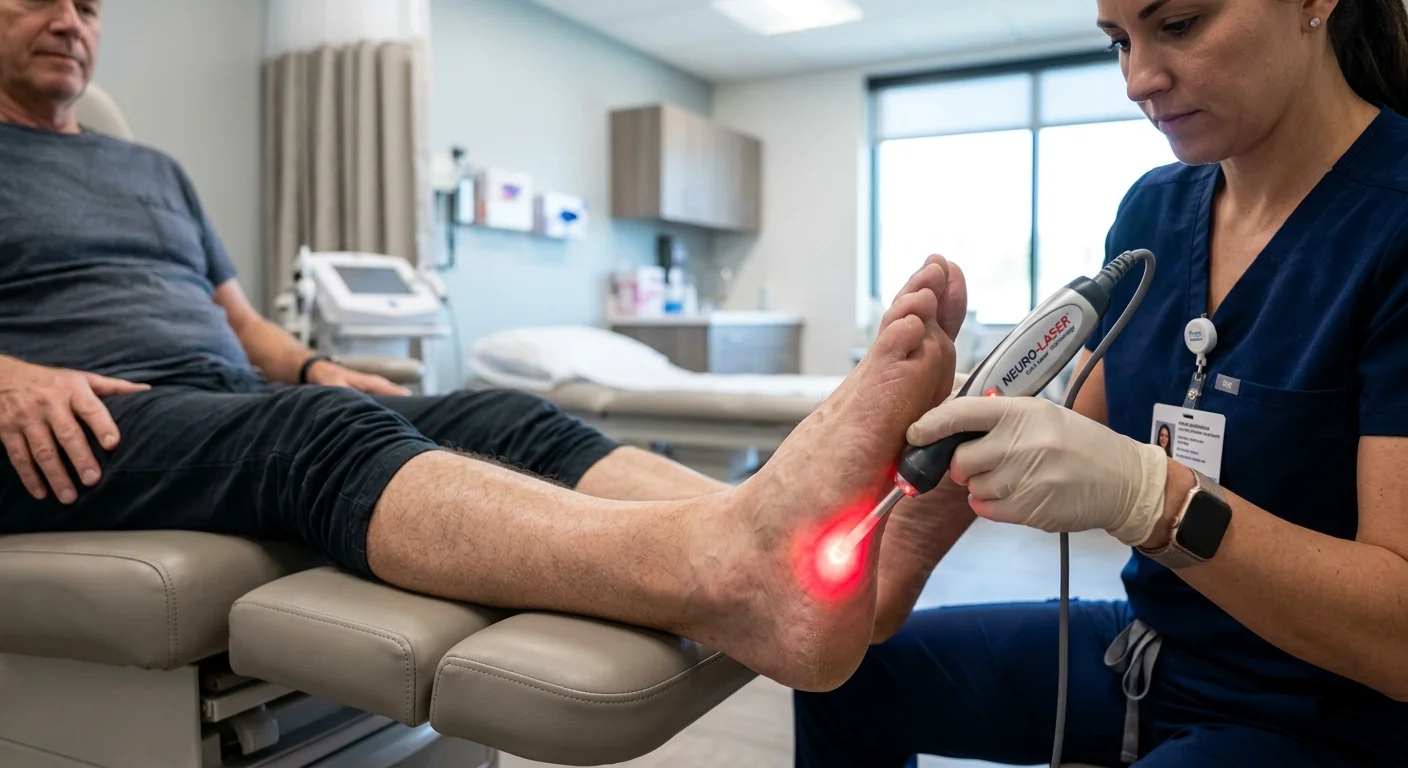
For patients suffering from peripheral nerve damage, targeted light radiation via high-power photobiomodulation and low-level energy provides a clinically proven, non-invasive method to alleviate burning sensations, numbness, and shooting pain. For superficial microvascular impairment, low-level laser therapy effectively improves localized capillary perfusion. For severe sensory loss and deep structural nerve injury, deep-tissue Class IV laser application penetrates to the peripheral nerve roots to accelerate axonal repair. Scientific evidence confirms that focused wavelengths between 630 nanometers and 980 nanometers stimulate mitochondrial respiration, directly reducing neurological pain without pharmaceutical side effects. While structural peripheral nerve restoration requires a structured course of treatment, therapeutic light application serves as a vital non-pharmacological modality for pain reduction and functional recovery.
Biological Mechanisms: How Neuropathy Laser Treatment Restores Cellular Function
Peripheral neuropathy occurs when peripheral nerve fibers sustain structural or metabolic injury. This damage interrupts signal transmission between the central nervous system and the distal extremities. Peripheral nerve cells require significant biological energy to maintain cellular membranes and conduct electrical impulses. When metabolic stress, hyper-glycemia, or microvascular ischemia disrupts energy pathways, nerve fibers degenerate from the axon inward.
Laser irradiation relies on photobiomodulation to alter cellular physiology. During treatment, photons enter damaged subcutaneous tissue and encounter chromophores within cell mitochondria. Specifically, light energy targets cytochrome c oxidase, a crucial enzyme in the mitochondrial electron transport chain. Photon absorption accelerates electron transfer, which causes a rapid surge in adenosine triphosphate production. This heightened cellular energy enables impaired Schwann cells and neurons to synthesize proteins necessary for structural maintenance and repair.
Simultaneously, therapeutic light exposure triggers the immediate release of nitric oxide from endothelial cells and hemoglobin. Nitric oxide acts as a potent signaling molecule that induces vasodilation in small microvessels. According to research published by the National Center for Biotechnology Information, enhancing local microvascular perfusion reverses ischemia in the vasa nervorum—the primary blood vessels supplying nerve trunks. Restoring constant oxygen and nutrient delivery encourages axonal sprouting and reduces spontaneous ectopic discharges that cause sharp, burning discomfort.
Examining Clinical Efficacy: How Effective Is Laser Therapy for Neuropathy?
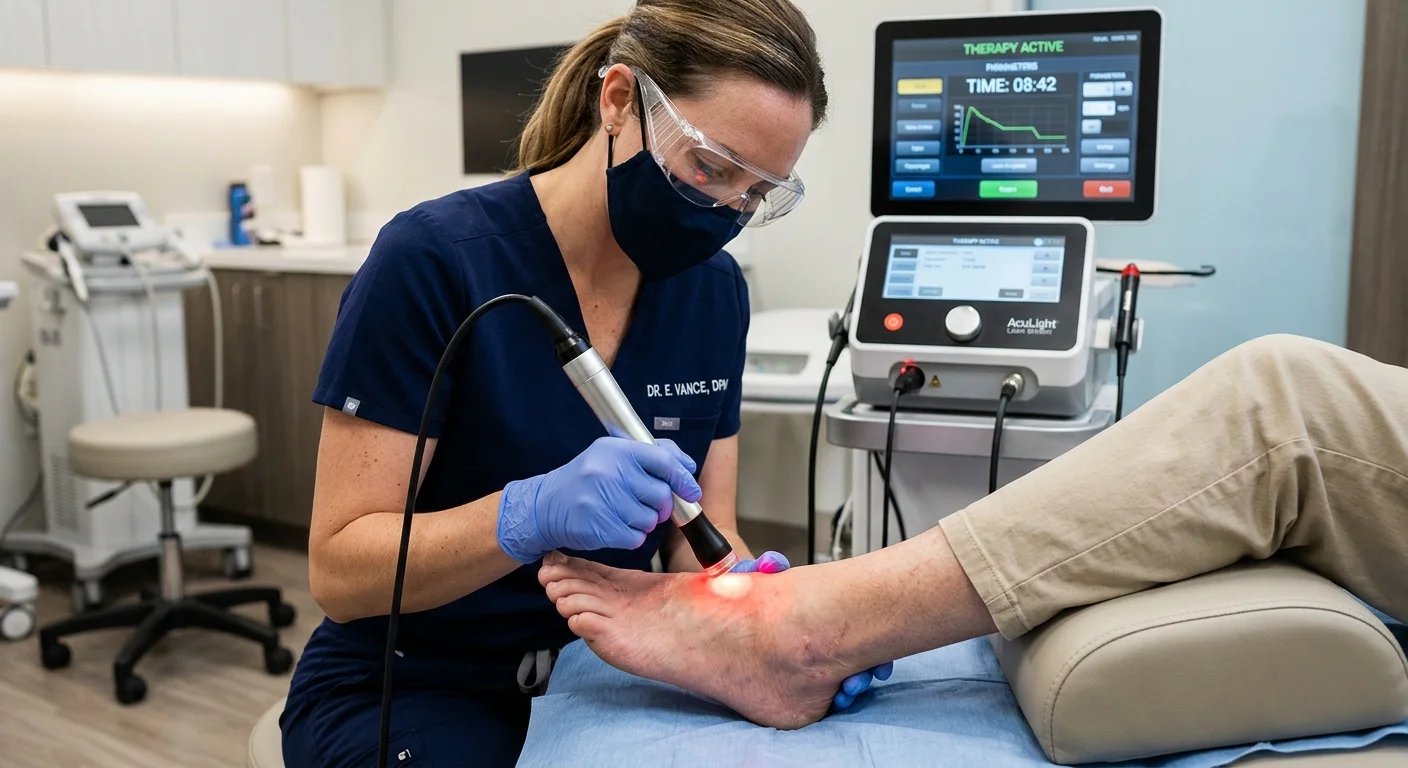
Clinical investigations demonstrate that photon-based therapies provide measurable pain relief and sensory restoration across various peripheral nerve disorders. Patient response depends heavily on energy density, target wavelength, and protocol consistency. When delivered at therapeutic dosages, photonic energy suppresses pro-inflammatory cytokines while increasing anti-inflammatory proteins, directly altering peripheral pain signaling.
Data from clinical trials compiled by the National Institute of Neurological Disorders and Stroke indicates that non-pharmacological interventions, including light energy, substantially reduce reliance on systemic neuropathic medications. Patients participating in high-intensity photobiomodulation studies report average pain scale reductions between 40% and 65% following a standardized six-week treatment series. Quantitative sensory testing also highlights significant improvements in vibration perception thresholds and sharp-dull discrimination.
Photonic energy also suppresses pain transmission by downregulating nociceptive primary afferent fibers. The light beam slows signal velocity along unmyelinated C-fibers, blunting immediate pain sensations. Patients managing complex conditions who seek neuropathic pain treatment frequently experience increased distal sensation, reduced nighttime dysesthesia, and improved balance control as normal nerve conduction velocity recovers.
Technology Comparison: Class IIIb vs. Class IV and Red Light Laser Therapy for Neuropathy
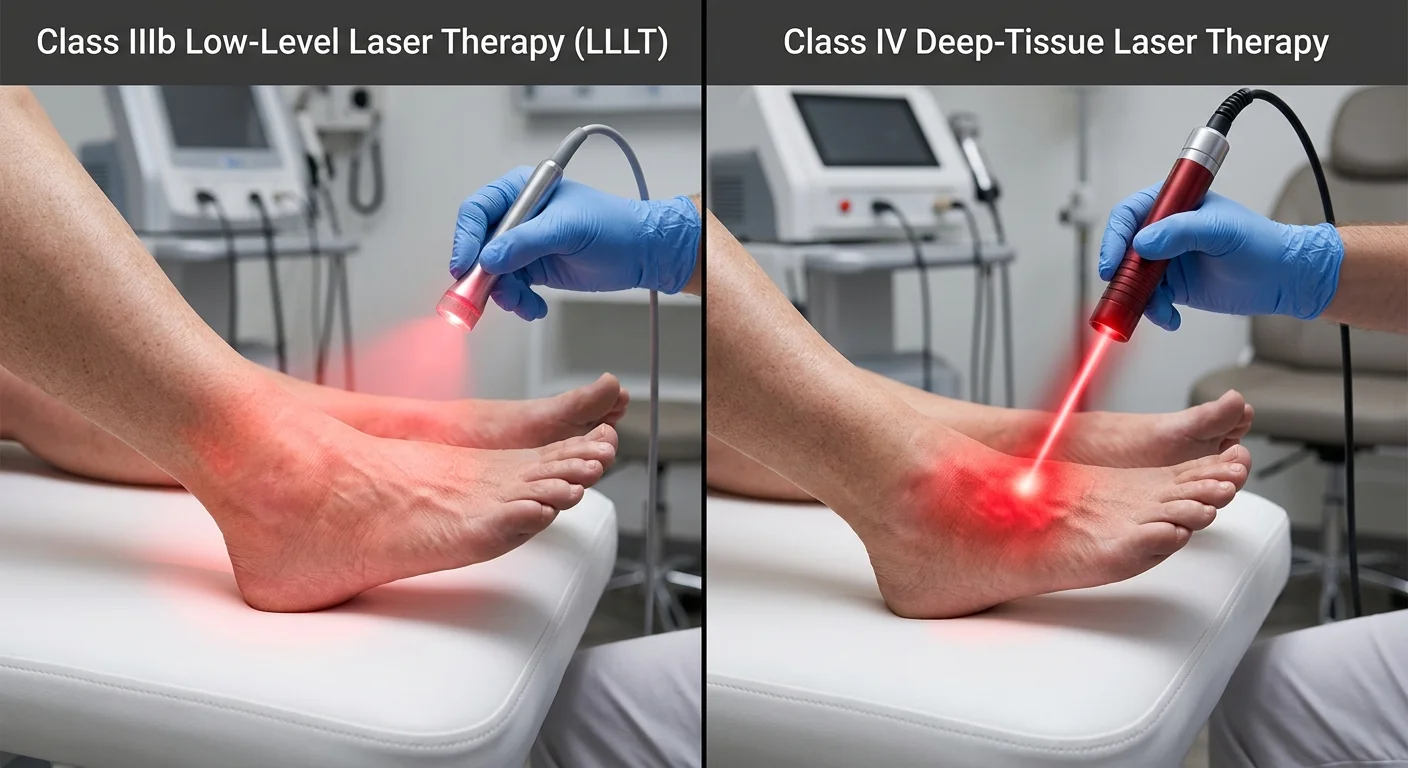
Selecting the appropriate photobiomodulation device directly affects therapeutic depth and tissue dosage. Clinical facilities deploy various wavelength spectrums and energy outputs depending on whether the target tissue lies superficially within epidermal layers or deep inside thick muscle bundles. Understanding these technical distinctions ensures optimal treatment selection for peripheral nerve pathology.
| Therapy Modality | Wavelength & Energy Output | Tissue Penetration Depth | Primary Clinical Application |
|---|---|---|---|
| Red Light Therapy (LED) | 630 nm – 660 nm Low power (< 0.5 Watts) | Superficial (1 mm – 5 mm) | Superficial skin inflammation, small capillary stimulation, mild epidermal discomfort. |
| Class IIIb Cold Laser (LLLT) | 780 nm – 830 nm Moderate power (5 mW – 500 mW) | Intermediate (5 mm – 15 mm) | Localized focal nerve entrapments, small foot joints, superficial tendon healing. |
| Class IV High-Power Laser | 810 nm – 980 nm High power (1 Watt – 30 Watts) | Deep structural (20 mm – 50 mm+) | Deep peripheral nerve trunks, plantar foot neuropathy, spinal nerve root radiculopathies. |
| Systemic Neuropathic Drugs | N/A (Biochemical mechanism) | Systemic absorption | Central pain signal attenuation; does not promote structural nerve cell repair. |
Red light emitting diodes emit incoherent light energy suitable for cutaneous cellular layers, making them effective for superficial circulatory support. However, led light lacks the collimation and coherence needed to reach deep peripheral nerve trunks beneath thick plantar fascia or deep muscle tissue. For deep structural nerve disorders, Class IV medical devices deliver focused laser beams that maintain physical power density through deep anatomical structures.
Using higher wattage allows clinical protocols to deliver required joules of therapeutic energy in shorter durations. This deep tissue penetration stimulates deep nerve fibers and reduces inflammatory swelling around restricted neural canals. Patients undergoing advanced laser therapy protocols benefit from broader treatment zones and deeper biological stimulation compared to low-power consumer devices.
Targeted Interventions: Laser Therapy for Diabetic Neuropathy and Lower Extremity Numbness
Diabetic distal symmetric polyneuropathy represents one of the most common causes of lower extremity sensory loss. Chronic high blood glucose damages microvascular vessel walls, causing metabolic starvation of distal nerves in the feet and legs. As distal axons degrade, patients experience burning pain, tingling, and a loss of protective sensation that increases fall risks and skin breakdown.
Photobiomodulation targets the root metabolic dysfunction of diabetic nerve damage through a step-by-step biological cascade:
- Mitochondrial Reactivation: Focused light photons enter ischemic nerve cells and bind to cytochrome c oxidase, restoring cellular energy output despite elevated ambient glucose levels.
- Microvascular Vasodilation: Endothelial nitric oxide release widens occluded foot capillaries, increasing red blood cell flow and local tissue oxygen distribution.
- Axonal Regeneration Support: Elevated nerve growth factor production encourages sprouting of damaged fine unmyelinated epidermal nerve fibers.
- Reduction of Ectopic Signaling: Normalization of cell membrane electrical potentials reduces random pain firing, relieving burning sensations and nocturnal hypersensitivity.
- Sensory Threshold Recovery: Restored microvascular perfusion and nerve axon survival rebuild protective sensation on the plantar foot surfaces.
Data recognized by the American Diabetes Association emphasizes that preserving distal sensory function in diabetic patients is essential to prevent pressure ulcers and limb loss. By boosting blood flow and cellular repair, energy-based treatments restore tactile feedback, allowing patients to feel ground surfaces clearly and walk with greater stability.
Clinical Protocols, Safety, and Common Practitioner Errors
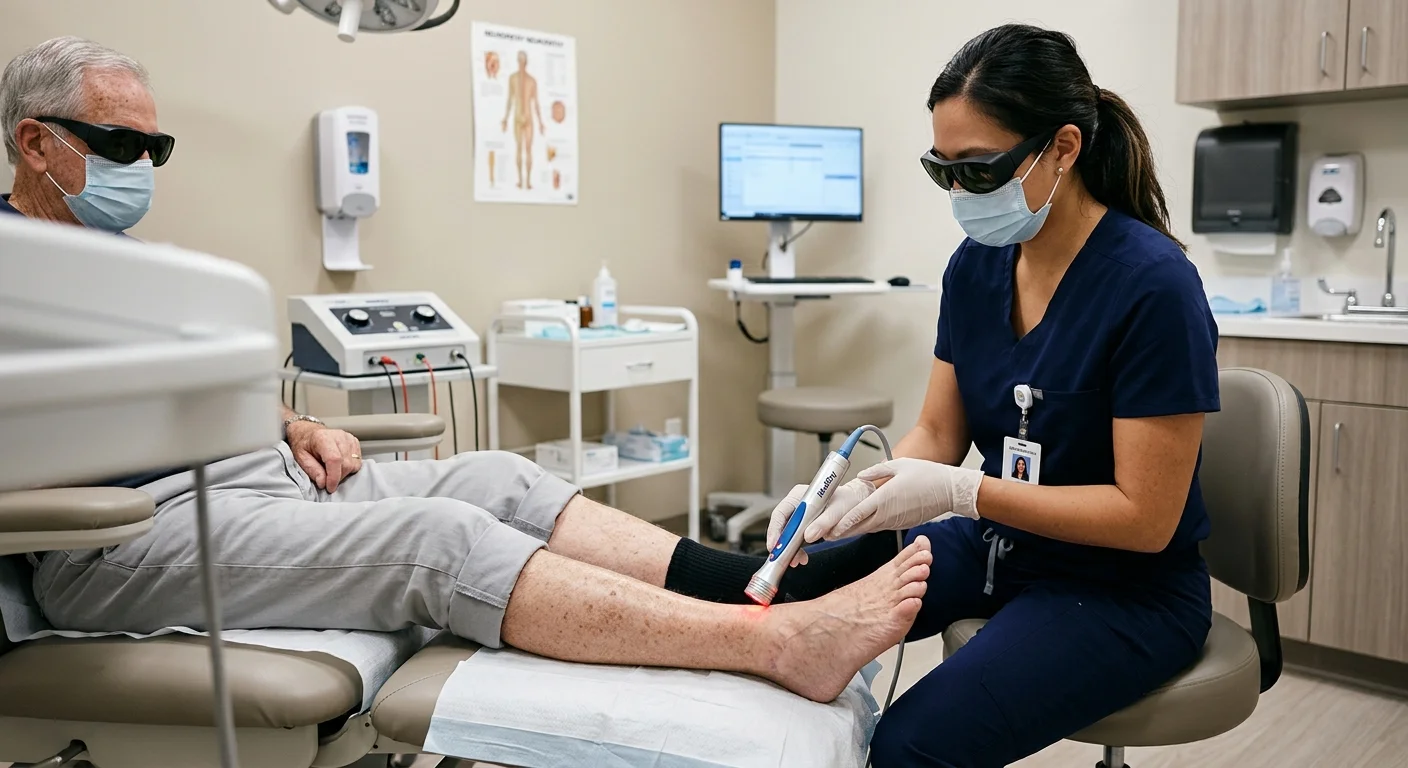
Administering medical photobiomodulation requires precise energy calculations based on body mass, tissue depth, and disease severity. Treatment plans typically involve 8 to 15 sessions performed over four to six weeks. Individual treatments usually last between 10 and 20 minutes per targeted anatomical zone.
A common error in clinical practice is under-dosing tissue energy. Lower power densities often fail to penetrate dense plantar fascia or swollen subcutaneous tissue, leading to incomplete mitochondrial activation. Practitioners must select optimal continuous or pulsed wavelengths to penetrate deep tissue without overheating epidermal skin layers. Pulsed energy delivery allows deep penetration while keeping surface thermal tissue accumulation minimal.
Another common mistake is applying laser treatments in isolation without addressing overall patient health. Optimal nerve restoration requires a comprehensive treatment plan that combines light therapy with glycemic management, physical rehabilitation, and targeted nutrition. Medical lasers are contraindicated over active malignant tumors, direct ocular regions, and pregnant abdomens. Clinicians must always provide protective eye wear for both the operator and patient during treatment sessions.
Medical Disclaimer: The information provided in this article is for educational and informational purposes only and does not constitute medical advice. Treatment decisions regarding peripheral neuropathy, laser modalities, and pain interventions must be made in consultation with a qualified physician or licensed healthcare provider after a complete clinical evaluation.
Patients seeking advanced, non-invasive solutions for lower extremity numbness and persistent sensory discomfort can receive comprehensive evaluation and custom therapeutic protocols at our specialized pain management clinic. Painless Medical Practice in Chicago offers the service discussed in the article to help patients restore mobility and relieve chronic nerve pain.
FAQs About Laser Therapy For Neuropathy
Does laser therapy work on foot neuropathy?
Focused light energy effectively treats lower extremity peripheral nerve symptoms by improving local blood circulation and accelerating cellular repair. Clinical research shows significant reductions in foot burning, tingling, and numbness when proper energy dosages reach deep tissue layers. Patients routinely regain functional balance and protective skin sensation following a full course of care.
Is laser therapy effective for diabetic peripheral nerve conditions?
Photobiomodulation provides meaningful non-invasive relief for patients managing diabetic nerve degeneration. Light wavelengths increase nitric oxide levels, reopening microscopic blood vessels that supply starving nerve trunks in the feet and ankles. Restoring metabolic oxygen delivery helps rebuild impaired nerve structures and reduces spontaneous burning sensations.
How many treatment sessions are needed to see results?
Most clinical treatment plans require between 8 and 15 individual treatment sessions to achieve persistent symptom relief and biological repair. Patients frequently report initial decreases in sharp pain after 3 to 5 sessions, though complete nerve healing requires sustained cellular stimulation over several weeks. Chronic severe conditions may require periodic maintenance treatments.
Can red light laser therapy help neuropathy symptoms at home?
Consumer red light devices can temporarily improve surface skin microcirculation, but they lack the penetration depth required for deep structural nerve trunks. Clinical Class IV laser systems deliver dramatically higher energy density and focused wavelengths capable of penetrating multi-centimeter soft tissue depths. Severe sensory loss generally requires high-power clinical medical devices under expert supervision.
Are there any painful side effects during or after treatment?
Photobiomodulation protocols are pain-free and non-invasive, with most patients reporting a soothing warm sensation as tissue capillaries dilate. Mild localized skin redness or transient tingling can occasionally occur as blood flow returns to previously ischemic nerve areas. The procedure requires zero recovery downtime, allowing patients to resume daily activities immediately.
Which patients are bad candidates for nerve laser treatments?
Patients with active localized skin cancers, directly exposed tattooed areas over nerve pathways, or those taking photosensitizing medications require customized evaluation before care. Laser irradiation is also avoided directly over pregnant abdominal regions and cardiac pacemakers. A comprehensive clinical evaluation determines overall treatment suitability.