
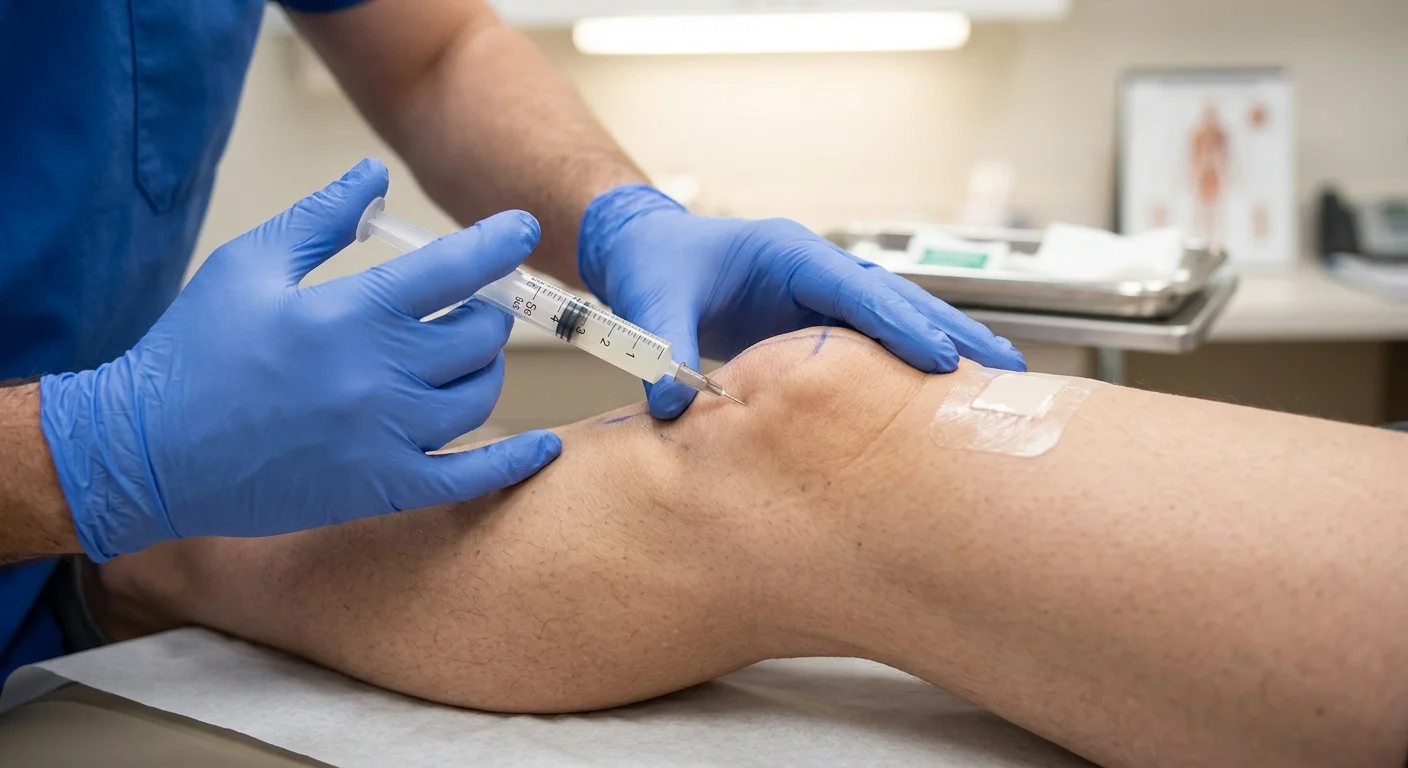
For acute knee pain accompanied by significant joint effusion and active inflammatory swelling, a targeted steroid shot in knee tissue provides rapid, high-potency relief within 24 to 72 hours. For chronic structural knee pain secondary to end-stage cartilage degradation without marked swelling, structural therapies like viscosupplementation or regenerative protocols present superior long-term stability. Intra-articular corticosteroid administration interrupts inflammatory cascades directly within the synovial space, making it a primary intervention for rapid flare-up suppression. Physicians recommend a steroid injection for knee pain when conservative oral analgesics and targeted physical therapy fail to control localized joint distress. Medical guidelines strictly limit these injections to three or four treatments per year to preserve articular cartilage integrity. Patients seeking rapid return to functional mobility usually combine targeted joint injections with structured rehabilitation at a dedicated knee pain relief facility.
Steroid Injection for Knee Pain: Physiological Mechanism and Indications
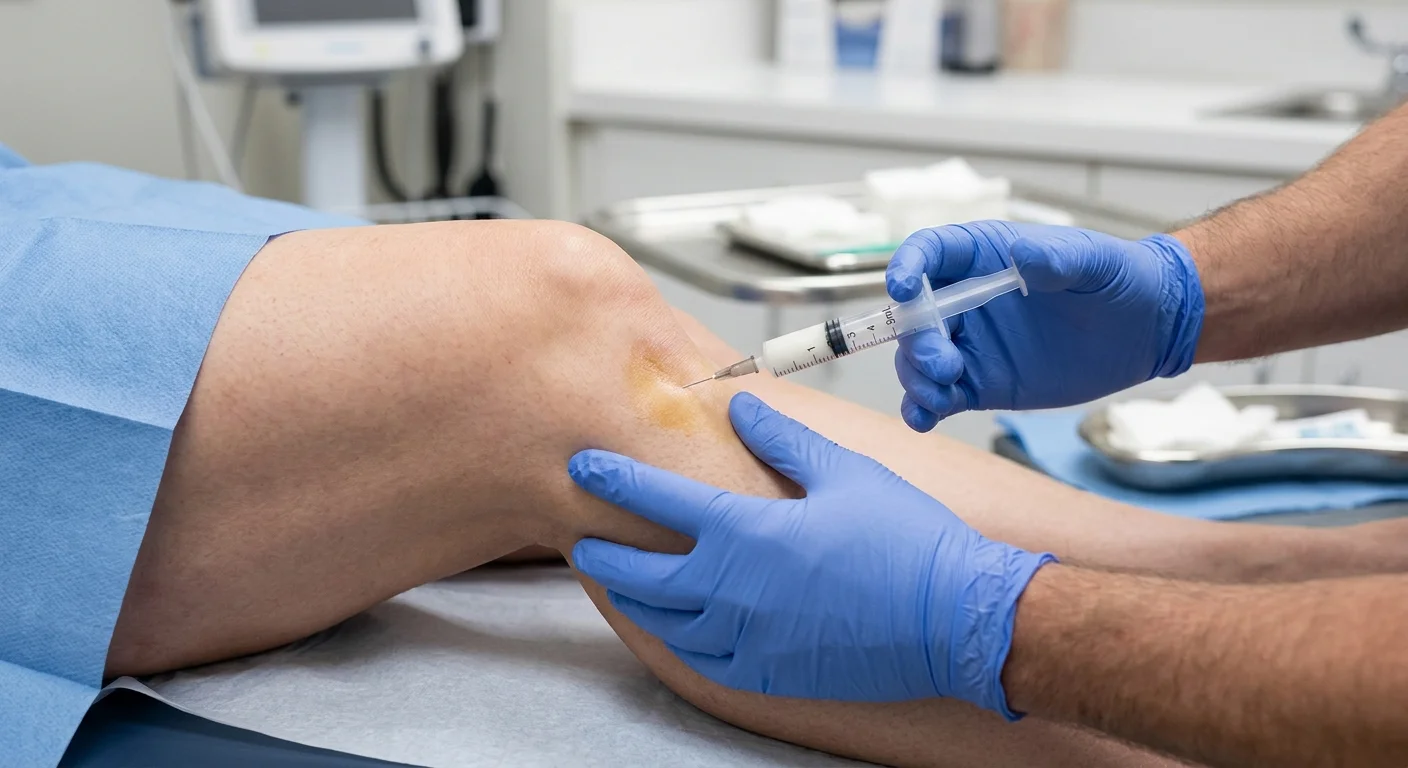
Intra-articular steroid injections work by binding to intracellular glucocorticoid receptors within synovial tissue cells to inhibit pro-inflammatory signaling pathways. Corticosteroids reduce the production of inflammatory cytokines, prostaglandins, and leukotrienes. This biochemical suppression decreases vascular permeability inside the knee capsule. Consequently, joint swelling diminishes, localized intra-articular pressure drops, and sensitive pain receptors experience decreased mechanical stimulation.
The primary clinical indications for administering a steroid knee injection include:
- Knee Osteoarthritis: Acute inflammatory exacerbations of chronic degenerative joint wear.
- Rheumatoid and Psoriatic Arthritis: Autoimmune-driven joint lining inflammation causing persistent swelling.
- Pes Anserine and Prepatellar Bursitis: Localized friction-induced bursal swelling unresponsive to rest.
- Crystalline Arthropathies: Severe inflammatory joint responses triggered by acute gout or pseudogout crystal deposition.
- Meniscal Tears: Secondary inflammatory joint effusions caused by internal structural cartilage damage.
According to research published by the National Center for Biotechnology Information, intra-articular steroid injections reduce short-term osteoarthritic knee pain by over 40% compared to placebo controls within the first two to four weeks post-administration. The medication remains concentrated primarily within the intra-articular space. This targeted delivery minimizes systemic absorption compared to high-dose oral corticosteroid prescriptions.
Clinical efficacy depends heavily on the specific formulation chosen by the treating physician. Synthetic corticosteroids like triamcinolone acetonide and methylprednisolone acetate differ in solubility and duration of action. Less soluble crystal formulations dissolve slowly within synovial fluid, providing extended anti-inflammatory action over several weeks. More soluble agents act faster but clear the joint space rapidly. Selecting the ideal agent depends on the severity of joint inflammation and underlying medical conditions.
What to Expect During a Steroid Shot for Knee Pain
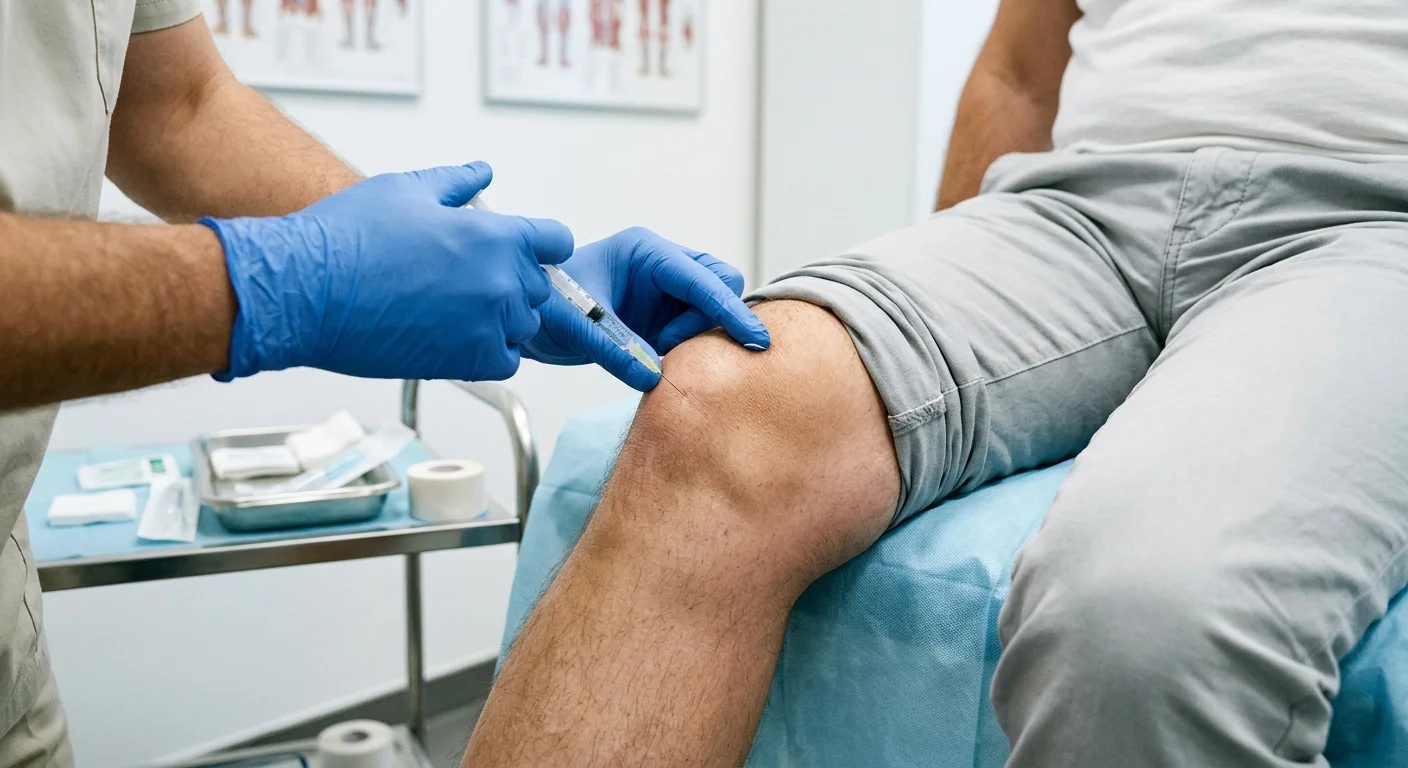
Receiving a steroid shot for knee pain is a standardized, rapid outpatient procedure designed to minimize intra-procedural discomfort while ensuring precise medication delivery. Physicians complete the entire intervention within fifteen minutes using strict sterile clinical techniques.
The step-by-step administration protocol follows a defined operational order:
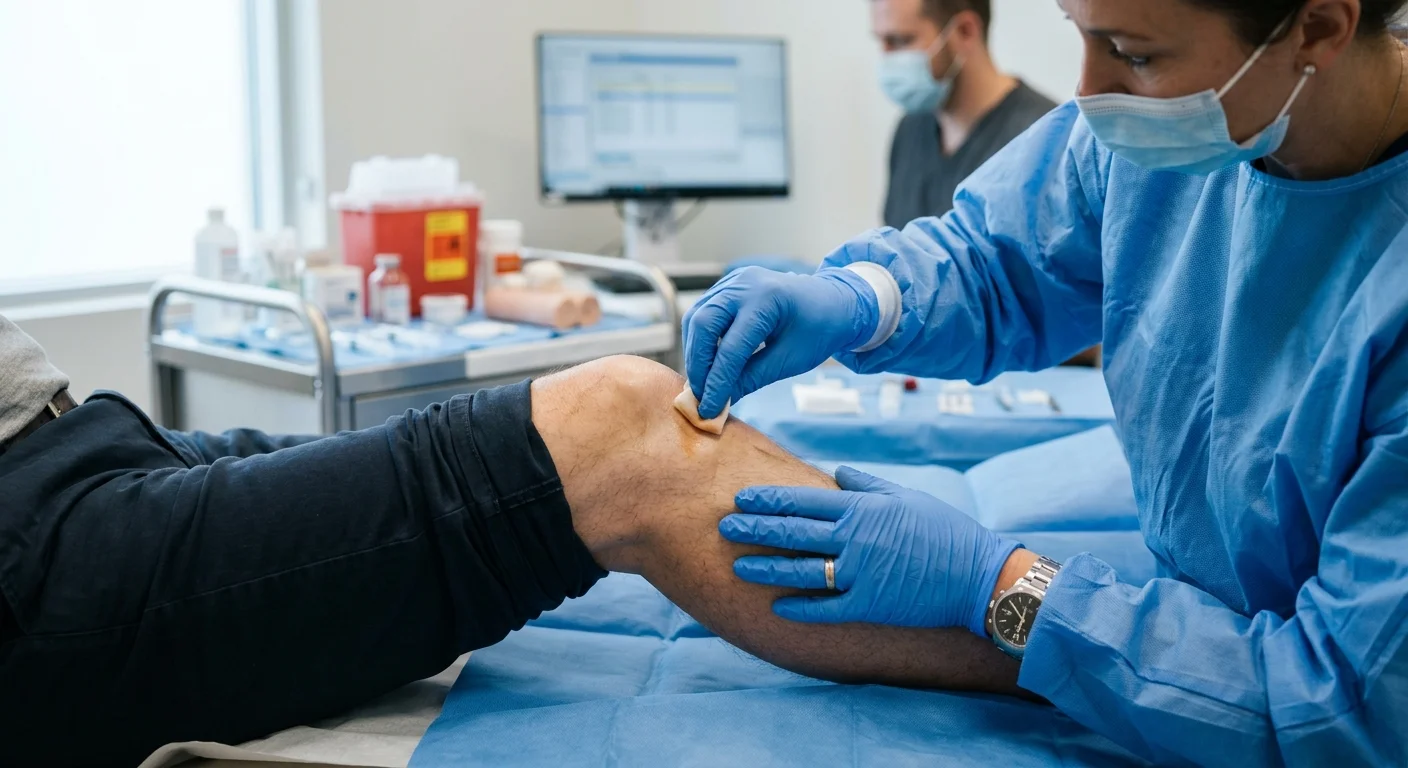
- Patient Positioning and Surface Preparation: The patient sits upright or lies supine with the knee supported. The physician cleanses the skin with an antiseptic solution like chlorhexidine to establish a sterile field.
- Targeted Anatomical Mapping: The clinician identifies the optimal entry site along the suprapatellar pouch or anterolateral joint line, frequently using real-time ultrasound guidance.
- Aspiration of Excessive Fluid: If significant swelling exists, the doctor aspirates excess synovial fluid with a syringe to decompress the joint space before introducing medication.
- Local Anesthesia and Medication Delivery: The physician injects a localized anesthetic compound combined with a long-acting synthetic corticosteroid directly into the intra-articular space using a fine gauge needle.
- Post-Injection Bandaging and Joint Motion: The needle is withdrawn, light pressure is applied, and a sterile bandage covers the insertion site while the patient gently flexes the knee to distribute the solution.
Clinical guidelines published by the American Academy of Orthopaedic Surgeons indicate that 78% of symptomatic knee osteoarthritis patients experience meaningful functional mobility improvements after targeted corticosteroid therapy.
A common clinical mistake to avoid is resuming high-impact physical activity immediately following treatment. Practitioners emphasize that patients must observe relative rest for 48 hours post-injection. Premature weight-bearing overuse accelerates medication leakage out of the joint capsule and increases the risk of post-injection inflammatory flares. Keeping the limb elevated and applying cold packs periodically during this 48-hour window optimizes localized therapeutic absorption.
Comparing Intra-Articular Treatments for Knee Conditions
Selecting the appropriate knee injection requires evaluating joint structural health, current inflammation levels, and patient treatment goals. Corticosteroids provide fast symptomatic control, but alternative injectable therapies offer distinct biochemical actions over varying timelines.
| Treatment Modality | Primary Mechanism | Typical Onset & Duration | Best Clinical Candidates |
|---|---|---|---|
| Intra-Articular Steroid Injection | Potent anti-inflammatory signal suppression and cytokine reduction | Onset: 24–72 hours Duration: 4–12 weeks | Patients with acute inflammatory flares, joint swelling, or severe pain needing immediate relief |
| Viscosupplementation (Hyaluronic Acid) | Restores synovial fluid viscosity and lubricates articular cartilage surfaces | Onset: 2–4 weeks Duration: 6 months | Mild to moderate osteoarthritis patients without active swelling seeking longer mechanical joint protection |
| Platelet-Rich Plasma (PRP) | Delivers autologous growth factors to stimulate tissue signaling responses | Onset: 4–6 weeks Duration: 6–12 months | Younger patients or early degenerative cases seeking biological cellular repair support |
| Oral NSAIDs | Systemic cyclooxygenase enzyme inhibition throughout the body | Onset: 1–2 hours Duration: 6–12 hours per dose | Mild intermittent discomfort; limited by gastrointestinal and renal risks with prolonged use |
Integrating different injection modalities under the care of a specialized pain management clinic ensures patients receive structured, individualized treatment plans. While cortisone quickly halts acute pain cycles, following up with physical therapy or viscosupplementation preserves joint mechanical function over longer periods.
Managing Steroid Injection in Knee Side Effects and Safety Risks
Understanding the adverse event profile associated with a steroid injection in knee structures is essential for maintaining long-term joint health. Although generally safe when administered by experienced specialists, corticosteroids carry transient localized reactions and systemic clinical risks.
Potential side effects and safety considerations include:
- Post-Injection Cortisone Flare: Transient pain and swelling surge occurring within 24 to 48 hours caused by microcrystalline medication precipitation.
- Transient Hyperglycemia: Temporary elevation in blood glucose levels, particularly relevant for diabetic patients. Medical guidelines recommend monitoring blood sugar levels daily for three to five days after the procedure.
- Cutaneous Depigmentation and Fat Atrophy: Localized skin lightening or dermal tissue loss around the injection site if medication leaks into subcutaneous tissues.
- Septic Arthritis: Severe intra-articular infection occurring in fewer than 1 in 10,000 cases when strict sterile protocols are enforced.
- Articular Cartilage Degeneration: Cartilage toxicity linked to excessive high-dose or frequent repetitive injections into the same joint.
A multi-center observational study highlighted by the Radiological Society of North America demonstrated that high-frequency intra-articular steroid treatments (more than four times per year) correlate with a 12% accelerated rate of articular cartilage volume loss over a two-year evaluation period. To prevent structural acceleration of joint space narrowing, clinicians strictly maintain a mandatory rest period of at least three months between injections in a single joint.
Special consideration is required for patients taking anticoagulant medications. While small-gauge intra-articular injections present low bleeding risks, clinicians assess international normalized ratio (INR) levels to prevent localized hemarthrosis (bleeding into the joint space). Proper anatomical localization using image guidance minimizes soft tissue trauma and ensures safe compound delivery.
Medical Information Disclaimer
This educational content is for informational purposes only and does not constitute formal medical advice, diagnosis, or therapeutic recommendations. Always consult a board-certified physician or qualified pain management specialist before undertaking any intra-articular procedure or altering your existing clinical care plan. Individual diagnostic evaluations, magnetic resonance imaging, and standing radiographic studies are necessary to determine whether a steroid knee injection aligns safely with your specific health profile.
FAQs About Knee Steroid Injection
What is the primary benefit of a steroid shot in knee joints?
A steroid shot in knee joint structures provides rapid, targeted reduction of severe localized inflammation and swelling. It helps restore joint range of motion when oral anti-inflammatory drugs and initial conservative therapies fail to provide relief.
How long does it take for a steroid injection in knee tissue to work?
Most patients experience noticeable pain reduction within 24 to 72 hours post-procedure. The co-administered local anesthetic provides temporary short-term relief during the first few hours, followed by sustained anti-inflammatory action from the corticosteroid.
Which side effects are most common after receiving a steroid knee injection?
Common side effects include a temporary pain flare lasting 24 to 48 hours and transient blood glucose elevation in diabetic patients. Minor localized skin discoloration around the needle insertion site can also occur occasionally.
When can I resume normal physical activities after a steroid injection for knee pain?
Patients should rest the treated limb and avoid strenuous, high-impact weight-bearing activities for at least 48 hours post-injection. Light daily household walking is permitted immediately, provided it does not trigger sharp pain.
Is a steroid shot for knee pain safe to repeat multiple times?
Repetitive steroid shots are safe when limited to a maximum of three or four times per year within the same joint space. Excessive injection frequency can accelerate articular cartilage volume loss and weaken surrounding periarticular ligamentous structures.
Can a steroid knee injection cure knee osteoarthritis completely?
Corticosteroid injections do not cure underlying structural osteoarthritis or reverse permanent joint cartilage wear. They provide temporary symptomatic relief by suppressing local inflammatory signals, enabling patients to engage comfortably in physical therapy programs.