
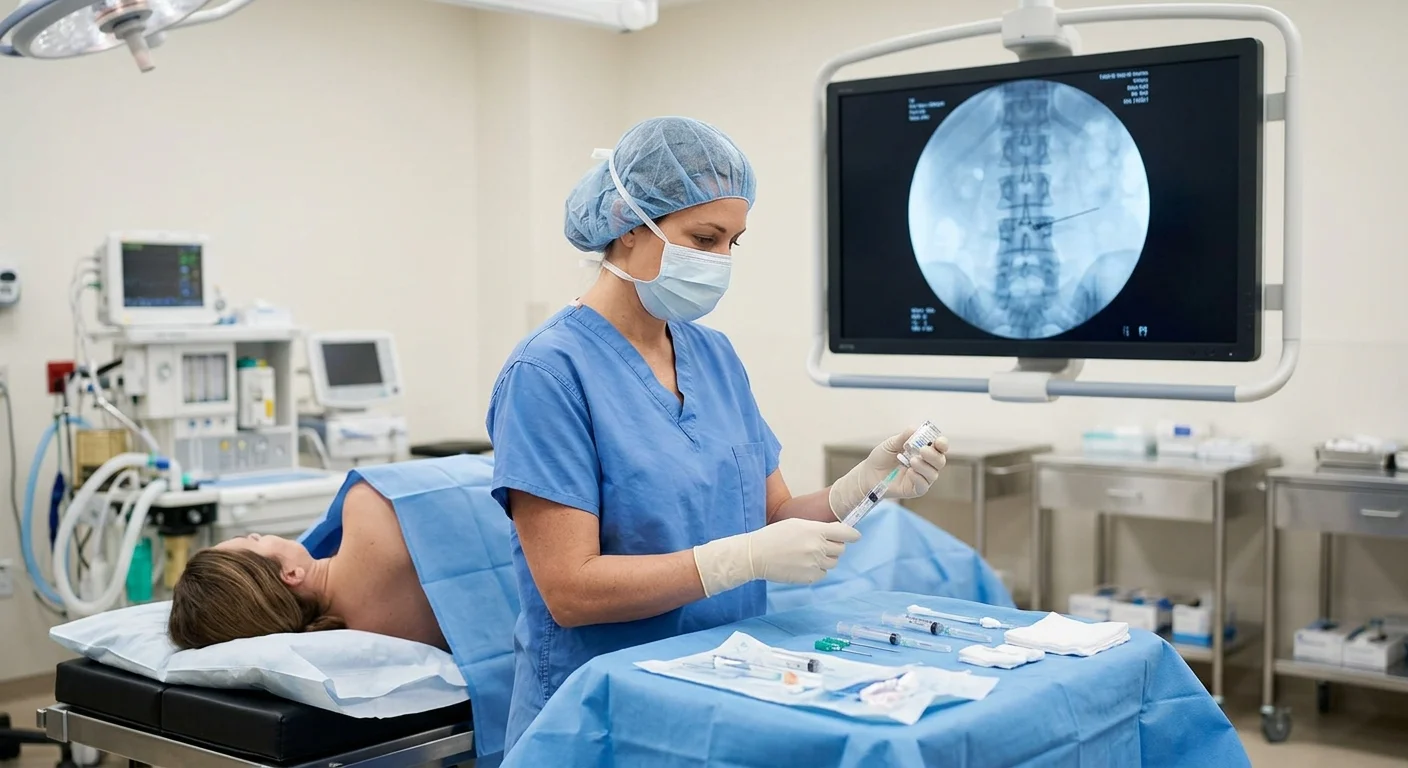
For patients experiencing acute radicular pain from a herniated disc, epidural steroid injections offer a highly safe, effective first-line interventional therapy to avoid major spinal surgery. For patients with generalized, mechanical axial back pain without nerve compression, alternative treatments like facet joint injections or physical therapy represent safer, more target-appropriate options. Under precise fluoroscopic guidance, epidural steroid injections carry a very low risk of major complications, with serious adverse events occurring in fewer than 1% of cases. The primary safety concerns stem not from the procedure itself, but from repeated, excessive corticosteroid exposure over time. Clinicians must limit these procedures to preserve bone density and adrenal function. The treatment works by delivering localized anti-inflammatory agents directly to the irritated nerve root, bypassing the systemic side effects of oral medications. When administered by a board-certified specialist, these injections provide a highly controlled, reliable path to pain relief and functional restoration.
Disclaimer: The information in this article is for educational purposes and does not substitute for professional medical advice. Always consult a qualified clinician at a dedicated pain management clinic to evaluate your specific spinal condition and establish an individualized treatment plan.
What Is an Epidural Steroid Injection and How Does It Work?
An epidural steroid injection is a minimally invasive procedure designed to deliver powerful anti-inflammatory medication directly into the epidural space of the spine. The epidural space is the outermost part of the spinal canal, located between the protective dura mater membrane and the surrounding vertebrae. This space contains fat, blood vessels, and the nerve roots that exit the spinal cord to travel to other parts of the body. When a disc herniates or the spinal canal narrows, these nerve roots become compressed, leading to severe inflammation, localized pain, and radiating symptoms down the limbs.
During the procedure, a pain specialist uses fluoroscopic imaging, which is a real-time X-ray, to guide a specialized needle into the exact anatomical location of the inflamed nerve. Once the needle is safely positioned, the clinician injects a mixture of a corticosteroid and a local anesthetic. The local anesthetic provides immediate, temporary pain relief, while the corticosteroid acts as a long-term anti-inflammatory agent. By reducing swelling around the nerve, the injection alleviates pressure, improves local blood flow, and interrupts the pain signals traveling to the brain.
In clinical practice, we utilize three primary approaches to access the epidural space based on the patient’s specific anatomy and pathology:
- Transforaminal: This technique targets the specific neural foramen where an individual nerve root exits the spine. It is highly precise and ideal for localized, unilateral radicular pain.
- Interlaminar: This approach delivers medication more broadly into the posterior epidural space between adjacent vertebrae. It is highly effective for bilateral pain or multi-level spinal stenosis.
- Caudal: Utilizing the sacral hiatus at the base of the spine, this method allows broad coverage of the lower sacral nerves and is often used for patients with previous back surgery.
How Do Epidural Steroid Injections Work to Relieve Spinal Nerve Pain?
Epidural steroid injections work by chemically interrupting the inflammatory cascade that causes radicular pain and nerve root irritation. When spinal nerves are compressed by a herniated disc or bone spur, the body produces inflammatory proteins called phospholipase A2, leukotrienes, and prostaglandins. These substances irritate the nerve fibers, making them hypersensitive and causing the characteristic burning, tingling, or shooting pain known as sciatica. Direct delivery of a corticosteroid halts the synthesis of these inflammatory compounds, stabilizing the nerve membrane and restoring normal nerve function.
By targeting the medication directly to the source of the problem, clinicians avoid the need for high-dose systemic medications, such as oral steroids or opioids. Oral medications must circulate through the entire bloodstream, which reduces their local effectiveness and increases the risk of systemic side effects, including gastrointestinal distress and fluid retention. The localized nature of an epidural steroid injection maximizes the concentration of the therapeutic agent at the affected nerve root, promoting rapid tissue healing and swelling reduction.
Furthermore, the physical volume of the injection fluid helps wash away inflammatory proteins and chemical irritants from the immediate vicinity of the nerve root. This mechanical “flushing” effect, combined with the chemical action of the steroid, provides a dual mechanism of relief. For patients suffering from severe chronic discomfort, pairing this treatment with a targeted steroid injection for back pain can significantly improve mobility and facilitate participation in rehabilitative physical therapy.
Are Epidural Steroid Injections Painful and What Do They Feel Like?
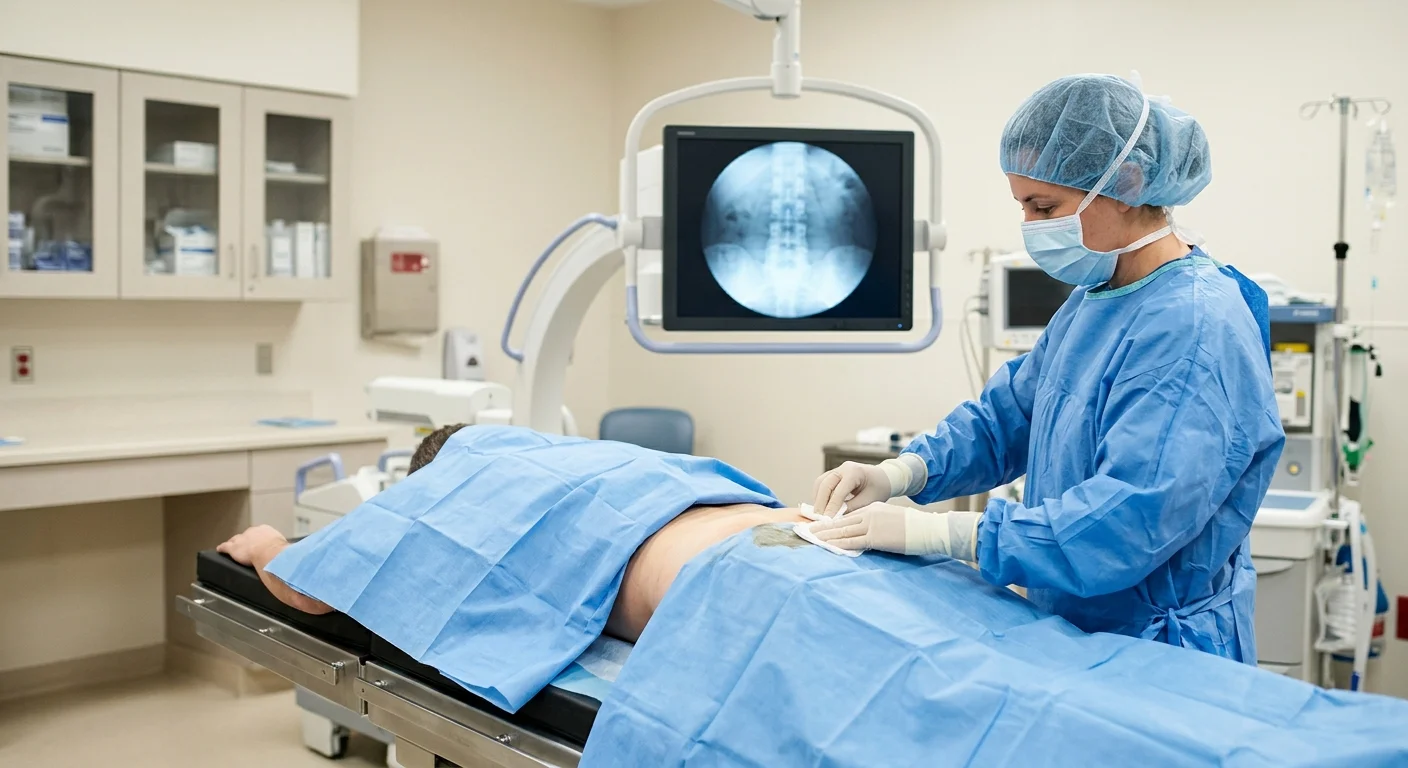
Most patients report that epidural steroid injections are highly tolerable and associated with only mild, brief discomfort rather than severe pain. To ensure patient comfort, the physician administers a local anesthetic, typically lidocaine, to numb the skin and deeper subcutaneous tissues before inserting the epidural needle. This initial numbing process feels like a minor pinch followed by a brief stinging or burning sensation that lasts for only a few seconds.
As the larger epidural needle is guided toward the target area under fluoroscopy, patients generally feel a deep, dull pressure rather than sharp pain. When the medication is injected into the epidural space, it is common to experience a temporary recreation of the patient’s typical radicular pain or a warm, fullness sensation in the back or leg. This sensation occurs because the fluid temporarily increases pressure around the sensitive nerve root; however, it typically subsides within a few minutes as the local anesthetic begins to take effect.
For patients who experience high levels of anxiety regarding needles or medical procedures, light conscious sedation can be administered intravenously. This sedation induces relaxation and minimizes discomfort while allowing the patient to remain awake and responsive to the physician’s instructions. In our experience, communicating openly with the clinical team and understanding each step of the process significantly reduces procedural anxiety and enhances overall patient comfort.
How Often Can You Get Epidural Steroid Injections Safely?
In interventional pain medicine, standard clinical practice limits patients to a maximum of three to four epidural steroid injections within a rolling 12-month period. This restriction is critical to prevent the cumulative systemic side effects associated with exogenous corticosteroid exposure. Although the injection is localized, a small portion of the steroid is absorbed into the general circulation, which can impact the body’s natural hormone production and metabolic processes if administered too frequently.
Spacing injections at least six to eight weeks apart allows the clinical team to fully assess the therapeutic efficacy of each treatment. A common professional mistake is administering consecutive injections in rapid succession without evaluating the patient’s functional response. If a patient experiences no pain relief after two properly placed injections, repeating the procedure is clinically counterproductive, and the physician should explore alternative diagnostic or therapeutic avenues.
Repeated, high-frequency administration of corticosteroids can lead to localized and systemic complications, including:
- Adrenal Suppression: Temporary reduction in the body’s natural cortisol production, leading to fatigue or hormonal imbalances.
- Bone Density Reduction: Increased risk of accelerated osteopenia or osteoporosis, particularly in postmenopausal women.
- Tissue Weakening: Potential degradation of local ligaments, tendons, and surrounding soft tissues over time.
- Impaired Glucose Tolerance: Sustained elevations in blood sugar levels, which pose particular risks for diabetic patients.
Understanding the Safety and Efficacy Profile of Spinal Injections

Epidural steroid injections demonstrate an exceptional safety profile when performed by experienced, board-certified physicians utilizing state-of-the-art imaging technology. Extensive peer-reviewed research indicates that major complications, such as permanent nerve damage, deep epidural infection, or epidural hematoma, are exceedingly rare, occurring in less than 0.1% to 1% of cases. The integration of continuous fluoroscopic guidance has virtually eliminated the risk of blind needle placement, ensuring optimal safety during every procedure.
According to a comprehensive clinical study published by the National Center for Biotechnology Information, approximately 74.4% of patients experiencing lumbar radiculopathy demonstrated clinically significant pain reduction of 50% or greater at their six-month follow-up. This high success rate highlights the therapeutic value of the procedure as an effective tool to bridge the gap between conservative medical management and invasive spinal surgery. Furthermore, 62.8% of these patients experienced a meaningful enhancement in their daily functional capacity and overall quality of life.
To further contextualize safety, the risk of a dural puncture—commonly referred to as a “wet tap”—is kept below 1% in accredited clinics. A dural puncture occurs when the needle inadvertently passes through the dura mater, causing a small leak of cerebrospinal fluid that can result in a severe, positional spinal headache. This complication is highly treatable with conservative measures, such as bed rest and hydration, or a simple outpatient procedure known as an autologous epidural blood patch.
The transition from blind anatomical landmark techniques to modern imaging-guided procedures has revolutionized patient safety. As detailed by the Radiological Society of North America, using high-resolution fluoroscopy reduces needle misplacement rates from up to 30% in blind injections to virtually zero. This precise visualization protects vital vascular structures and ensures that the therapeutic agents are delivered exactly where they will provide the greatest benefit.
Managing Your Epidural Steroid Injection Recovery and Post-Procedure Care

The recovery process following an epidural steroid injection is typically brief, allowing most patients to return to their normal daily activities within 24 to 48 hours. Immediately following the procedure, patients are monitored in a clinical recovery area for approximately 15 to 30 minutes to ensure vital signs are stable and there are no immediate adverse reactions. It is common to experience mild numbness or temporary weakness in the limbs due to the local anesthetic, which is why patients must arrange for a responsible adult to drive them home.
Understanding what to expect after the injection is key to a smooth recovery. During the first 2-3 days, patients may experience a temporary increase in localized pain, often referred to as a “steroid flare.” This flare occurs as the steroid medication crystallizes within the tissues before beginning its anti-inflammatory action. Applying a cold pack to the injection site for 15-20 minutes at a time can help alleviate this localized discomfort.
To optimize your healing and secure long-term pain relief, adhere to the following post-procedure guidelines:
- Prioritize Rest: Rest quietly for the remainder of the procedure day, avoiding strenuous activities or prolonged sitting.
- Avoid Submersion: Do not soak in hot tubs, bathtubs, or swimming pools for 72 hours to prevent infection; showering is safe after 24 hours.
- Monitor Symptoms: Keep track of your pain levels, noting any transient numbness, blood sugar fluctuations, or localized soreness.
- Resume Therapy Gradually: Reintroduce gentle stretching and formal physical therapy after 48 hours, or once any initial soreness has completely resolved.
- Follow Up: Contact your clinical team immediately if you experience a fever, severe headache that worsens when upright, or progressive leg weakness.
Comparing Interventional Pain Treatments for Spinal Conditions
When developing a comprehensive pain management strategy, it is useful to compare epidural steroid injections with other common interventional modalities. Each treatment targets distinct anatomical structures and is chosen based on the precise source of the patient’s pain. Below is a detailed comparison of common interventional procedures utilized to treat spinal and joint pain.
| Procedure Type | Primary Target Structure | Clinical Indications | Typical Relief Duration |
|---|---|---|---|
| Epidural Steroid Injection | Epidural space and exiting spinal nerve roots | Herniated discs, sciatica, spinal stenosis, radicular pain | 3 to 6 months |
| Facet Joint Injection | Zygapophysial (facet) joints of the spine | Osteoarthritis, facet arthropathy, localized axial back pain | 2 to 4 months |
| Platelet-Rich Plasma (PRP) | Ligaments, tendons, and degenerative joints | Tendinopathy, mild-to-moderate joint osteoarthritis | 6 to 12+ months (regenerative) |
| Laser Therapy | Superficial and deep soft tissues | Muscle spasms, myofascial pain, localized tissue inflammation | Cumulative temporary relief |
While epidural injections are highly effective for radiating nerve pain, patients presenting with localized, mechanical back pain that worsens with backward bending are often better suited for facet joint interventions. Conversely, regenerative treatments like PRP focus on long-term tissue healing rather than rapid anti-inflammatory suppression. An accurate clinical diagnosis is paramount to selecting the intervention that yields the highest efficacy and safety profile for each individual.
Painless Medical Practice in Chicago offers advanced steroid injections and customized interventional care to help you find lasting relief from chronic spinal pain and regain your mobility.
FAQ
What is an epidural steroid injection?
An epidural steroid injection is an outpatient procedure where a specialist delivers a combination of a corticosteroid anti-inflammatory medication and a local anesthetic directly into the epidural space surrounding inflamed spinal nerve roots. This targeted delivery reduces localized swelling, decreases nerve irritation, and provides significant pain relief for conditions like herniated discs, sciatica, and spinal stenosis.
How do epidural steroid injections work?
These injections work by delivering powerful anti-inflammatory corticosteroids directly to the site of spinal nerve compression and irritation. The medication inhibits the production of inflammatory enzymes and chemical mediators, which reduces swelling, restores blood flow to the nerve, and halts the transmission of pain signals to the brain.
Do epidural steroid injections hurt?
The procedure is generally well-tolerated and associated with only mild, temporary discomfort rather than severe pain. Clinicians apply a local anesthetic to numb the skin and underlying tissues before inserting the epidural needle, meaning most patients feel only a deep pressure or a brief, familiar replication of their radicular symptoms during the injection.
How long do epidural steroid injections last?
The duration of pain relief varies significantly from patient to patient, typically ranging from several weeks to six months or longer. For many individuals, the injection provides a crucial window of relief that allows them to actively participate in physical therapy, strengthen their core muscles, and achieve long-term functional recovery.
How long should you rest after epidural steroid injection?
Patients should rest quietly at home for the remainder of the day of the procedure, avoiding any strenuous physical activity, heavy lifting, or vigorous exercise. Most individuals can safely resume their normal daily routines, light work duties, and gentle physical therapy within 24 to 48 hours as any initial localized soreness resolves.
Is it safe to drive home after getting an epidural injection?
No, patients are not permitted to drive themselves home after the procedure due to the use of local anesthetics and potential mild, transient numbness or weakness in the extremities. A responsible adult driver must accompany the patient to the clinic and transport them home safely to prevent any accidental injuries.