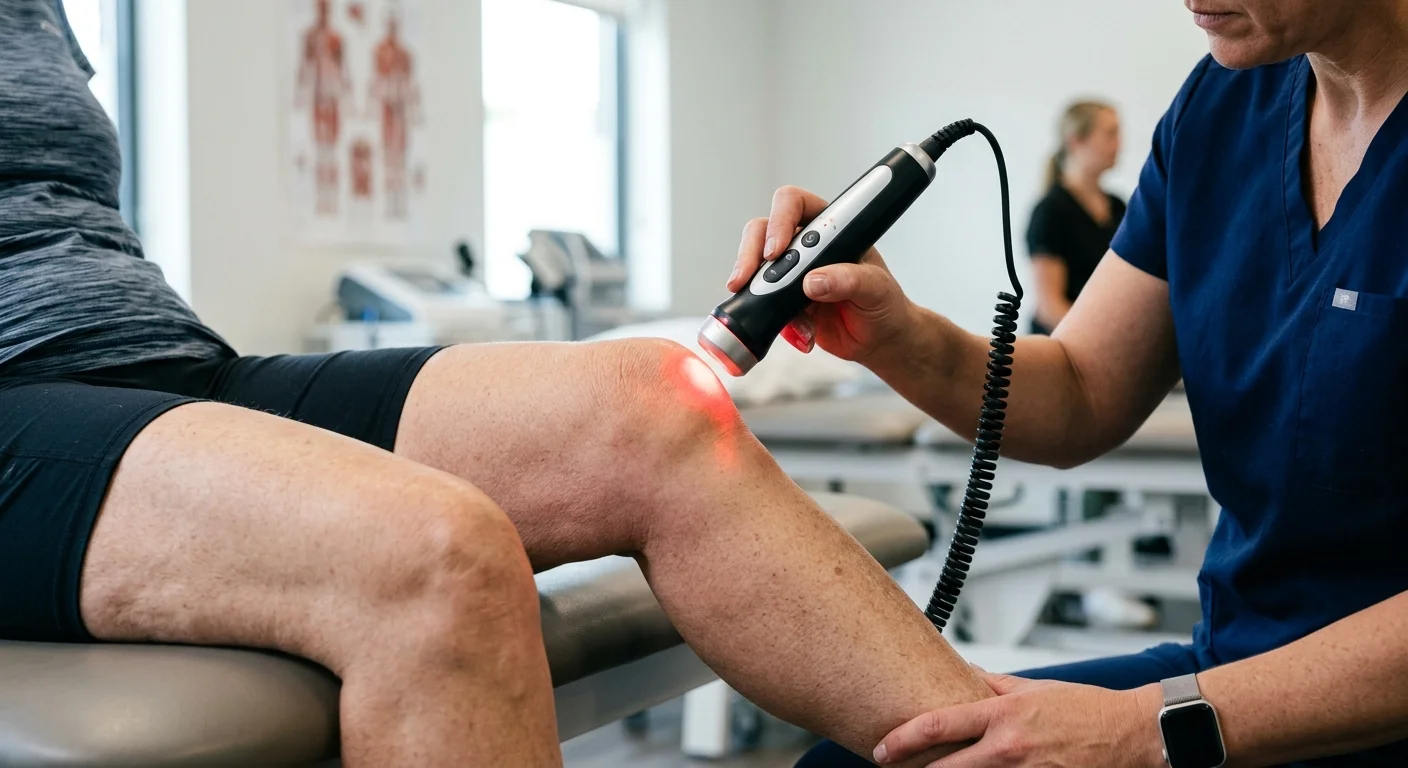
For patients seeking non-invasive relief from joint degeneration, high-intensity Class IV laser therapy offers a superior clinical outcome compared to low-level cold lasers, especially for deep structural joints like hips and knees. Low-level cold lasers effectively treat superficial joints in the hands and wrists. However, deeper joint tissues require the superior penetration depth of high-intensity systems to stimulate cellular repair. Clinicians utilize this advanced modality to reduce localized inflammation, accelerate tissue regeneration, and block pain signals. It avoids the systemic risks of long-term pharmaceutical use. Combining laser therapy with a comprehensive medical plan yields the most sustainable improvements in joint mobility. Patients should consult a qualified specialist to determine the exact wavelength and dosage required for their specific arthritic condition.
This scientific overview does not constitute direct medical advice. Patients must consult a licensed medical professional before undergoing any new therapeutic regimen.
Mechanisms of Laser Treatment for Arthritis Pain
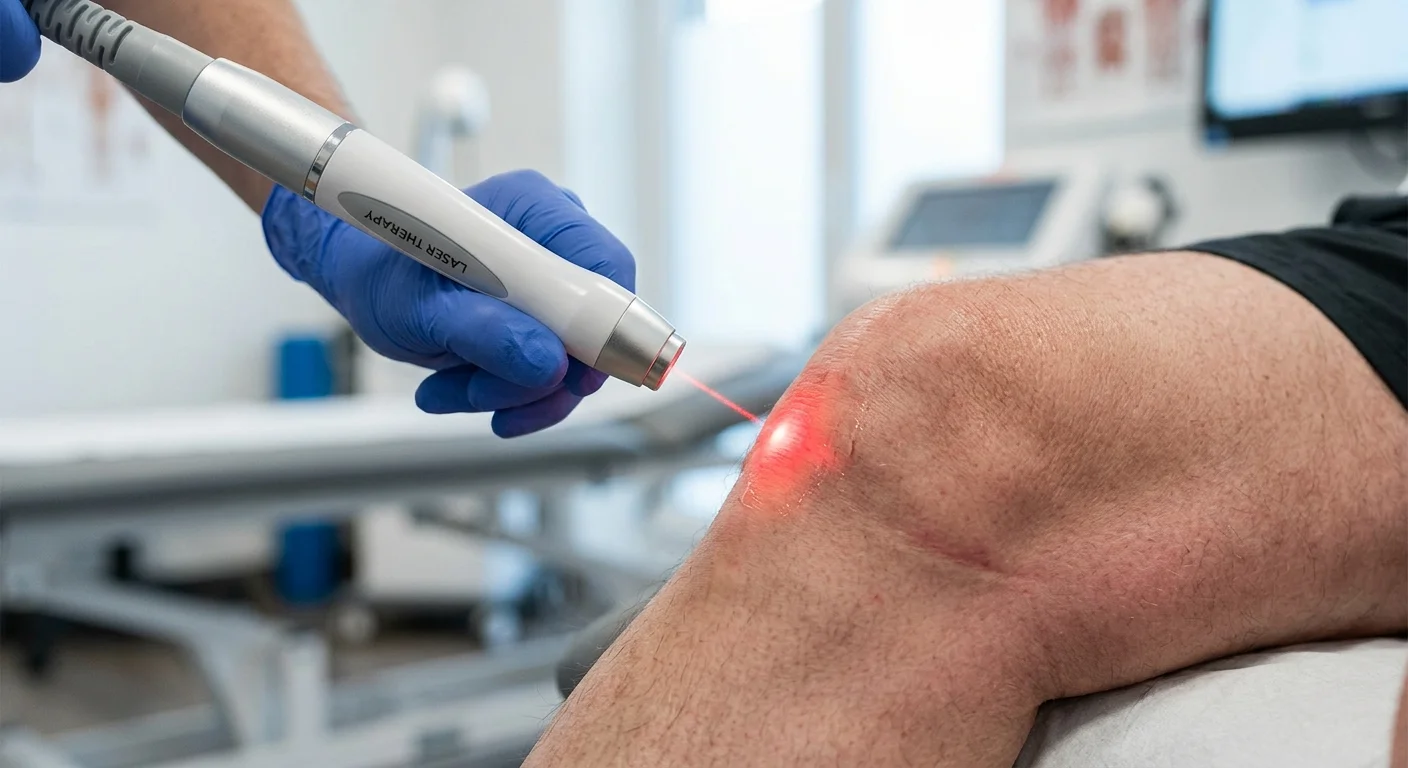
Laser treatment relieves arthritis pain by utilizing specific wavelengths of light to stimulate cellular metabolism and decrease localized inflammatory pathways. This process, known scientifically as photobiomodulation, delivers photonic energy deep into the affected joint capsules. The primary target of this light energy is cytochrome c oxidase. This enzyme sits within the mitochondria of damaged cartilage and bone cells. Once the enzyme absorbs the light, it triggers an immediate increase in adenosine triphosphate synthesis. This chemical reaction provides the essential cellular energy required for rapid tissue repair.
Additionally, laser energy inhibits the production of pro-inflammatory cytokines that drive chronic pain and joint degradation. Research demonstrates that photobiomodulation significantly reduces levels of tumor necrosis factor-alpha and interleukin-1 beta in osteoarthritic joints. By lowering these inflammatory markers, the therapy slows down the enzymatic breakdown of the extracellular matrix. The treatment also stimulates localized nitric oxide release. This biochemical response dilates microvessels, improving blood flow and oxygen delivery to ischemic joint structures. Consequently, the combination of cellular repair, inflammation control, and enhanced microcirculation creates a highly favorable environment for joint recovery.
Clinical Evidence Supporting Cold Laser Therapy for Arthritis
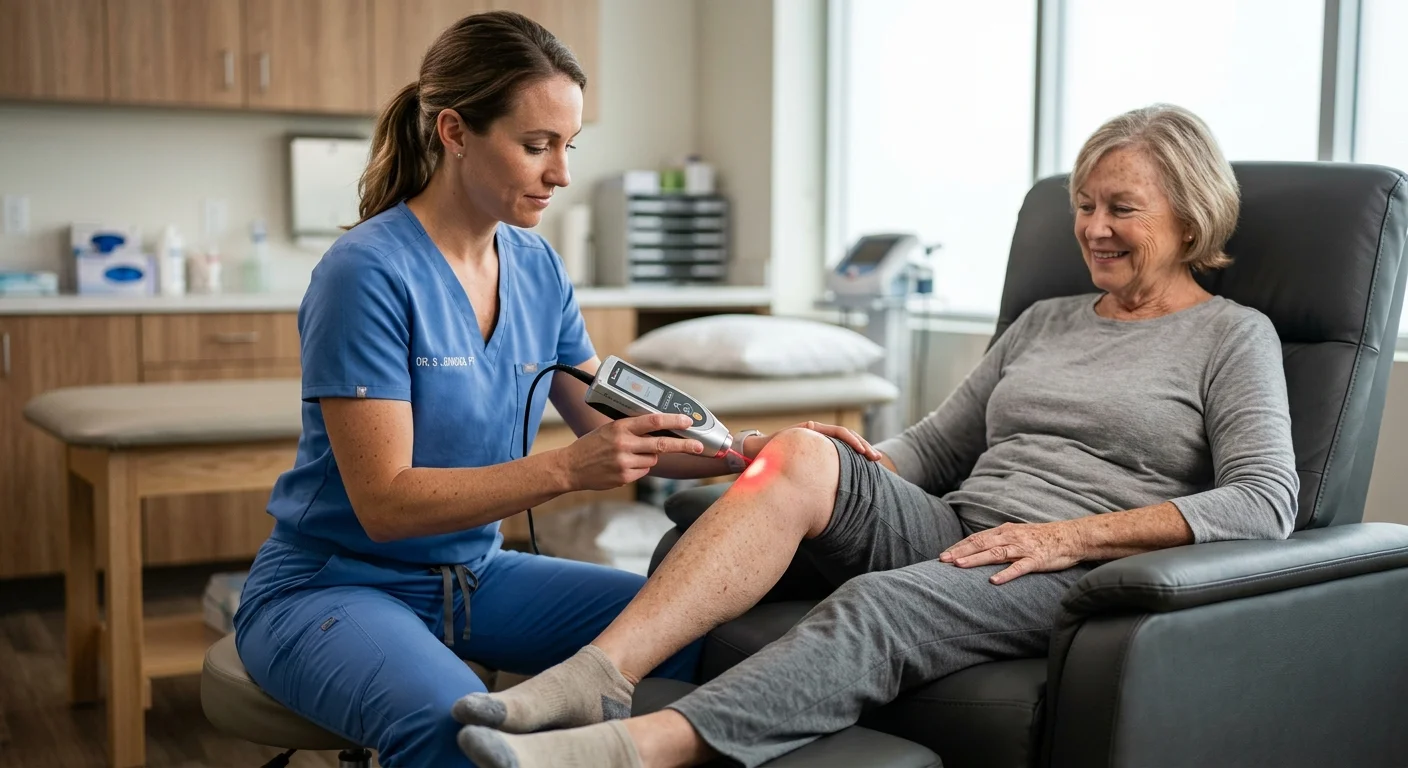
Extensive clinical research validates the efficacy of cold laser therapy for arthritis, showing significant reductions in pain and improvements in functional mobility. A comprehensive study published by the National Center for Biotechnology Information found that photobiomodulation therapy significantly reduces pain intensity in osteoarthritic patients. According to epidemiologists at the Centers for Disease Control and Prevention, arthritis affects over 53 million adults in the United States, making safe non-pharmacological treatments highly critical. Clinical trials demonstrate that patients receiving active laser treatments experience an average pain reduction of 30 percent compared to placebo groups.
Furthermore, a systematic review in the Lancet Journal highlights that laser therapy improves range of motion and joint stiffness within two to three weeks of starting treatment. The clinical data confirms that these positive effects are not merely temporary. Instead, they often persist for several months following the completion of a standardized treatment cycle. Histological analyses also reveal that targeted light therapy helps preserve the existing proteoglycan content within the articular cartilage. This preservation plays a vital role in slowing the progression of degenerative joint diseases.
Targeted Applications: Laser Treatment for Arthritis in Hands and Knees
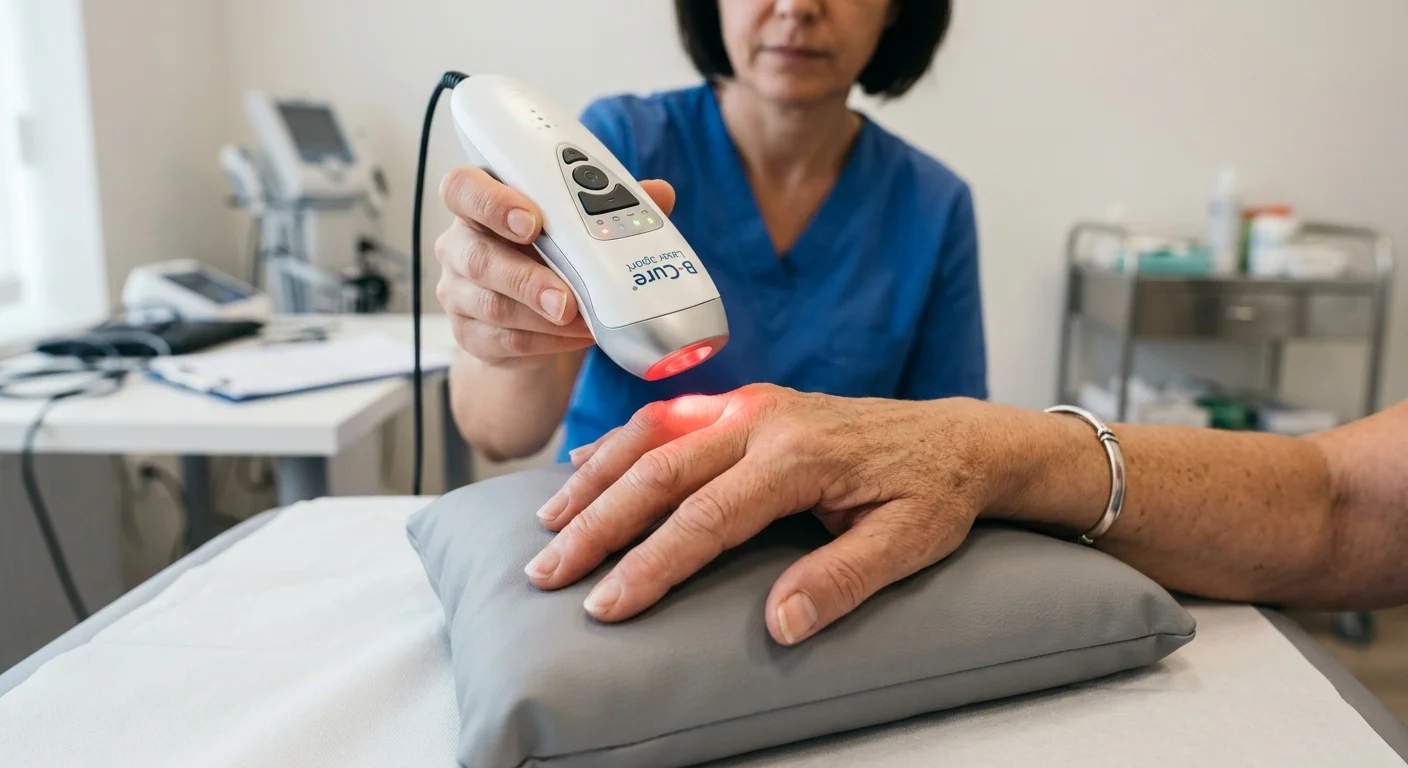
Targeted applications of laser technology differ significantly depending on whether the practitioner treats superficial small joints or deep structural joints. For superficial target areas, clinicians often utilize specific wavelengths that do not need to penetrate deeply. Treating delicate structures requires precise energy delivery to avoid thermal irritation in surrounding ligaments.
When administering laser therapy for hand joints, the clinical focus centers on the small joints of the fingers and wrists. The treatment protocol involves applying a precise energy dose directly to the painful joint spaces. This focused delivery helps reduce local swelling, increase grip strength, and restore daily hand function.
Conversely, delivering laser therapy for knee arthritis requires a highly different clinical approach. The knee joint is surrounded by thick ligaments, a dense joint capsule, and substantial adipose tissue. To overcome these anatomical barriers, practitioners utilize high-intensity Class IV laser systems. These systems deliver deeper tissue penetration, reaching the femoral condyles and the tibial plateau. The protocol for knee joints involves the following structured steps:
- The clinician conducts a detailed physical assessment of the knee to locate the exact areas of maximum joint line tenderness.
- The patient and the medical practitioner put on specialized safety goggles to protect their eyes from laser emissions.
- The clinician configures the laser system to the appropriate wavelength, typically ranging between 810 and 980 nanometers.
- The laser handpiece is applied to the skin and kept in constant motion over the medial and lateral joint lines.
- The practitioner delivers a calculated energy dose, measured in Joules, to ensure deep tissue penetration without overheating the dermis.
- The treatment concludes with a post-session assessment to check for immediate improvements in the knee joint range of motion.
Using this systematic method ensures that the laser energy penetrates the deep structural layers of the knee joint. This targeted approach stimulates healing precisely where the cartilage degradation is most severe.
Comparing Joint Therapy Modalities
Selecting the most appropriate treatment modality requires an objective comparison of efficacy, invasiveness, and recovery profiles across various medical interventions. While some patients benefit from conservative physical therapy, others require advanced biological treatments. The table below compares common clinical interventions used to manage joint degradation and persistent pain.
| Treatment Modality | Invasiveness Level | Primary Mechanism of Action | Typical Recovery Time |
|---|---|---|---|
| Laser Therapy | Non-Invasive | Photobiomodulation and cellular ATP stimulation | None (Immediate return to activities) |
| Corticosteroid Injection | Minimally Invasive | Chemical suppression of localized inflammation | 24 to 48 hours of joint rest |
| Physical Therapy | Non-Invasive | Biomechanical strengthening and joint mobilization | Varies based on exercise intensity |
| Hyaluronic Acid Injection | Minimally Invasive | Viscosupplementation to lubricate joint spaces | 12 to 24 hours of reduced activity |
Each of these modalities offers distinct advantages depending on the patient’s specific health profile. Corticosteroid injections provide rapid relief but do not promote tissue repair. In contrast, laser therapy actively stimulates cellular regeneration while remaining entirely non-invasive.
Implementing Laser Therapy for Osteoarthritis Within a Comprehensive Plan
Integrating laser therapy for osteoarthritis into a multimodal treatment plan accelerates recovery and maximizes the longevity of joint function. Many patients utilize this technology alongside traditional arthritis treatment strategies to achieve optimal outcomes. For instance, combining laser sessions with targeted physical therapy allows patients to perform exercises with less discomfort. The therapeutic light reduces immediate joint pain, facilitating a wider range of motion during physical rehabilitation.
Furthermore, patients can transition away from oral pain medications when they undergo regular laser treatments. This transition minimizes the risk of gastrointestinal and cardiovascular side effects associated with long-term NSAID use. Specialized practitioners design customized treatment schedules that align laser therapy sessions with other regenerative or supportive treatments. This synergistic approach ensures that every aspect of the patient’s mobility and comfort is addressed.
Safety Profiles and Professional Administration Pitfalls
Professional administration of laser therapy ensures patient safety and prevents common clinical errors that can compromise treatment outcomes. As an experienced practitioner, I often observe one major professional mistake: utilizing insufficient power densities on deep joint structures. Using a low-power Class III laser for deep knee or hip pathology rarely delivers enough energy to the target tissue. This frequently results in a perceived lack of efficacy, which is actually a dosing error rather than a failure of the technology.
To avoid this, practitioners must carefully calculate the depth of the target joint and select the appropriate laser classification. Class IV lasers require precise, continuous movement of the handpiece to prevent thermal buildup in the skin. Patient safety protocols also dictate the mandatory use of specialized protective eyewear for both the patient and the clinician to protect the retinas from accidental beam exposure. When administered correctly by a certified specialist at a dedicated pain management clinic, the procedure is entirely painless, producing only a mild, soothing warmth.
Expected Timeline and Clinical Outcomes of Laser Treatments
The clinical timeline for experiencing the benefits of laser treatments depends heavily on the severity of the joint degeneration and the frequency of the therapy sessions. Most patients require an initial protocol consisting of six to twelve sessions administered over a period of three to four weeks. Acute inflammatory conditions may respond within the first three sessions, showing a noticeable reduction in swelling and pain. Conversely, chronic osteoarthritis typically requires a longer cumulative dose to stimulate substantial cellular repair and sustained relief.
Long-term maintenance plans often involve monthly follow-up sessions to preserve the structural benefits and prevent the recurrence of inflammatory flare-ups. Clinical data shows that consistent follow-up treatments help maintain joint mobility and delay the necessity for surgical joint replacements. Clinicians monitor progress through standardized pain questionnaires and objective range-of-motion measurements to adjust treatment parameters dynamically.
FAQs About Laser Therapy for Arthritis
Does laser therapy help with arthritis pain permanently?
Laser therapy does not offer a permanent cure for arthritis because it cannot reverse advanced structural joint damage. However, it provides long-lasting pain relief by reducing chronic inflammation and promoting cellular healing. Most patients require periodic maintenance sessions to sustain their pain-free mobility over time.
How many laser sessions are required for knee arthritis?
Most patients require an initial treatment plan of six to twelve sessions over three to four weeks. The exact number of sessions depends on the severity of the cartilage wear and the patient’s individual response. Severe cases of osteoarthritis may require ongoing maintenance sessions every few weeks.
Is cold laser therapy safe for all types of arthritis?
Yes, cold laser therapy is generally safe for both osteoarthritis and rheumatoid arthritis. It is a non-invasive treatment with very few side effects when administered by a trained medical professional. However, it should not be applied directly over active skin malignancies, thyroid tissue, or the abdomen of pregnant patients.
What is the difference between Class III and Class IV lasers?
Class III lasers operate at lower power levels and are best suited for treating superficial joint structures. Class IV lasers deliver higher power outputs, allowing the light energy to penetrate deep into large joints like the knee and hip. Class IV systems require advanced clinical expertise to prevent thermal energy accumulation on the skin.
Can laser therapy replace joint replacement surgery?
In cases of mild to moderate joint degeneration, laser therapy can successfully delay or eliminate the need for joint replacement. It achieves this by managing pain and improving overall joint function. For end-stage, bone-on-bone arthritis, surgery may still be necessary, though laser therapy can assist in post-operative recovery.
When should a patient avoid laser arthritis treatment?
Patients should avoid laser therapy if they have active localized cancer, an active skin infection at the treatment site, or are currently pregnant. Additionally, the laser should not be directed over cardiac pacemakers or injected joint areas that have received steroid shots within the past two weeks.
Painless Medical Practice in Chicago offers advanced laser therapy to help patients regain mobility, manage inflammation, and live pain-free.