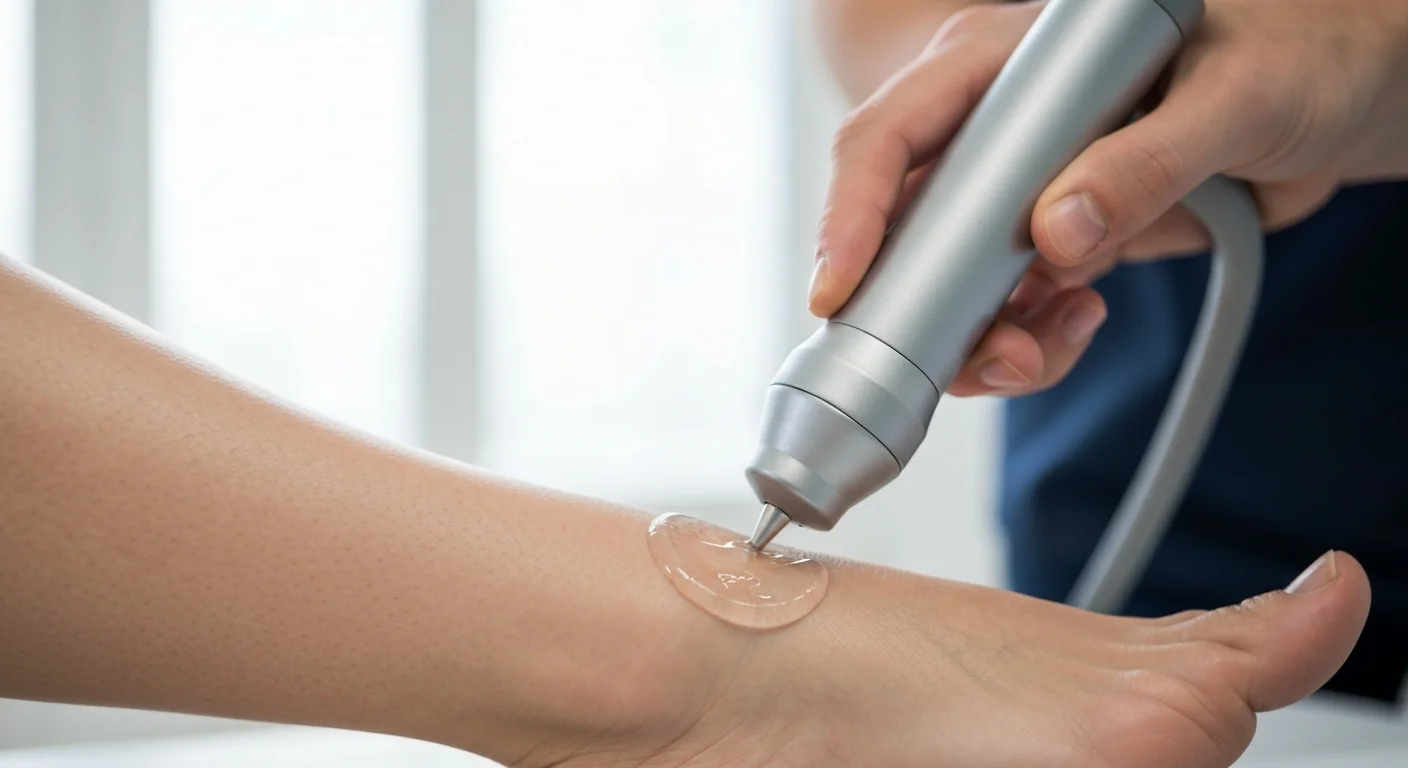
For patients suffering from chronic musculoskeletal conditions, choose extracorporeal shockwave therapy (ESWT) to break through stalled recovery phases and accelerate cellular repair. For focal, deep-tissue injuries like calcific tendinopathy or delayed bone healing, select focused shockwave therapy. For superficial, widespread myofascial pain, Achilles tendinopathy, and plantar fasciitis, choose radial shockwave therapy.
Extracorporeal shockwave therapy utilizes high-energy acoustic pulses to trigger controlled microtrauma in degenerated tissues, effectively restarting the body’s natural inflammatory cascade and promoting angiogenesis. This non-invasive alternative to surgery delivers sound waves directly to the affected anatomical region, stimulating cellular regeneration without damaging healthy surrounding tissues. Clinical practitioners utilize this modality to manage persistent pain in the heels, elbows, shoulders, and knees when conservative treatments have failed. By promoting localized metabolic activity, breaking down calcified deposits, and increasing vascularization, shockwave treatments offer a rapid, drug-free pathway to functional recovery.
What Is Shockwave Therapy and Its Medical Evolution?
Shockwave therapy is a non-invasive medical treatment that delivers high-energy acoustic waves to injured or degenerated musculoskeletal tissues. These acoustic waves are not electrical shocks, but rather intense physical pressure pulses that travel through a specialized conductive gel into the targeted anatomical structures. This medical technology originated from lithotripsy, a common urological procedure introduced in the 1980s to shatter kidney stones using acoustic shockwaves.
During lithotripsy treatments, clinicians observed that patients experienced unexpected secondary benefits, such as accelerated soft-tissue healing and increased bone density in the surrounding treated regions. This discovery prompted extensive research throughout the 1990s and 2000s to adapt acoustic wave technology for orthopedics, physical therapy, and pain management.
By the year 2026, clinical shockwave therapy has become a standard intervention for chronic tendon, muscle, and ligament injuries that fail to respond to traditional physical rehabilitation. The acoustic energy penetrates deep into tissue interfaces, stimulating cellular metabolism where blood circulation is naturally limited, such as in chronic tendon insertions.
How Does Shockwave Therapy Work on Degenerated Tissues?
Shockwave therapy works by transmitting acoustic energy pulses through the skin to the targeted injured tissues, causing rapid changes in pressure that induce microtrauma and cavitation. When these acoustic waves pass through tissues of varying densities, they release kinetic energy at the tissue interfaces. This mechanical force triggers a biological phenomenon known as mechanotransduction, where physical forces are converted into chemical signals within cell membranes.
The mechanical stress stimulates specialized cellular receptors, promoting the immediate release of growth factors and cytokines. Specifically, the therapy increases the expression of Vascular Endothelial Growth Factor (VEGF) and Transforming Growth Factor-beta (TGF-β). These biochemical signals initiate angiogenesis, which is the formation of new micro-vessels in the treated area.
Enhanced vascularization improves blood supply and oxygenation, delivering essential nutrients to chronic, poorly vascularized tissues. Additionally, the acoustic pulses break down calcified deposits within tendons and deplete Substance P, a neurotransmitter responsible for transmitting pain signals to the brain, which helps in immediate pain management.
Is Shockwave Therapy Effective for Chronic Pain Management?
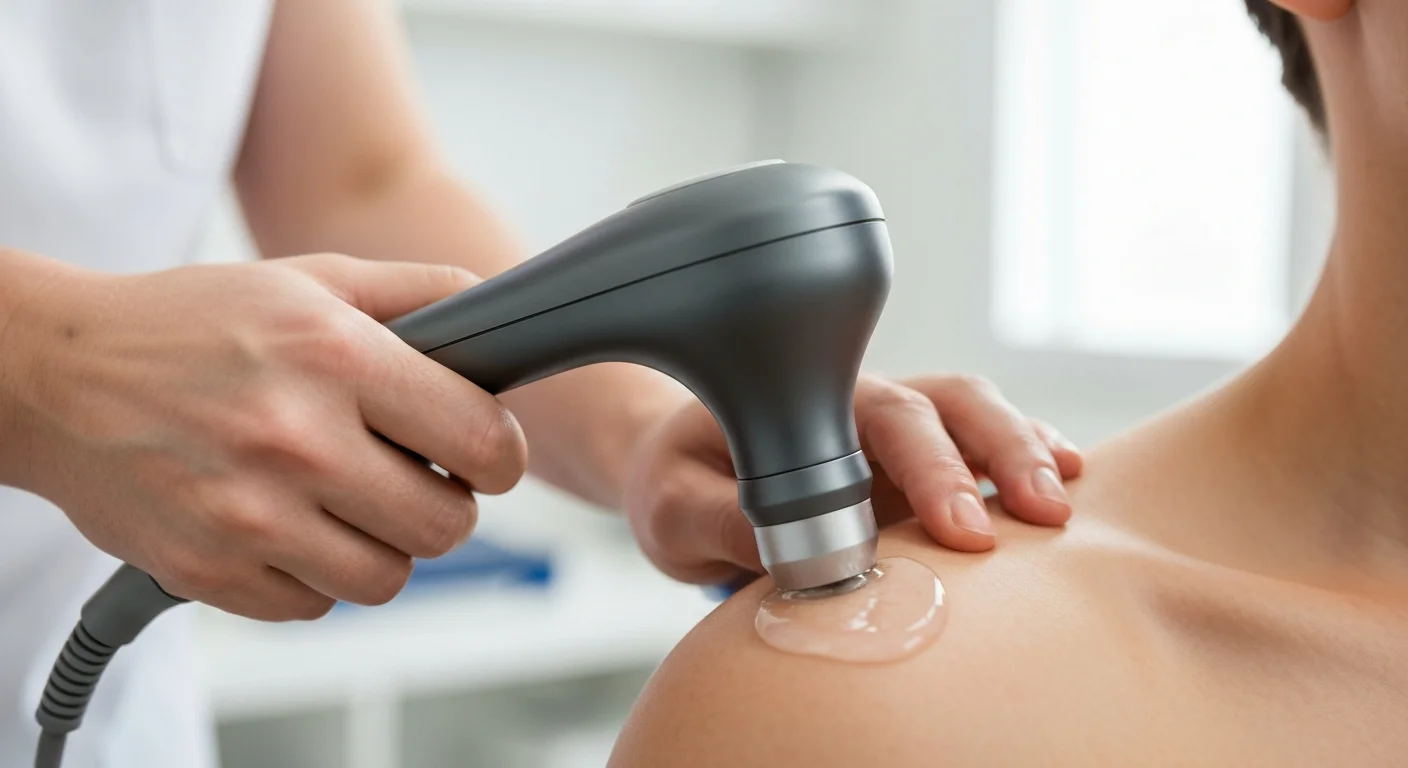
Clinical research demonstrates that shockwave therapy is highly effective for chronic pain management, particularly for conditions that resist traditional conservative therapies. A systematic review published in the Journal of Orthopaedic Surgery and Research indicates that shockwave therapy achieves success rates between 70% and 80% for chronic conditions like plantar fasciitis and lateral epicondylitis. By restarting the healing cascade in tissues where recovery has stalled, shockwave therapy provides a reliable pathway to pain relief without the systemic side effects of pharmaceuticals.
Further studies published in the Cochrane Database of Systematic Reviews confirm that high-energy extracorporeal shockwave therapy significantly reduces Visual Analog Scale (VAS) pain scores in patients with calcific tendinitis of the shoulder. The treatment is particularly effective for patients who have experienced symptoms for over six months and have failed to find relief through cortisone injections or physical therapy. By addressing the underlying degenerated tissue rather than merely masking the symptoms, shockwave therapy offers a durable, long-term solution to chronic pain.
Shockwave Therapy Benefits in Modern Orthopedics
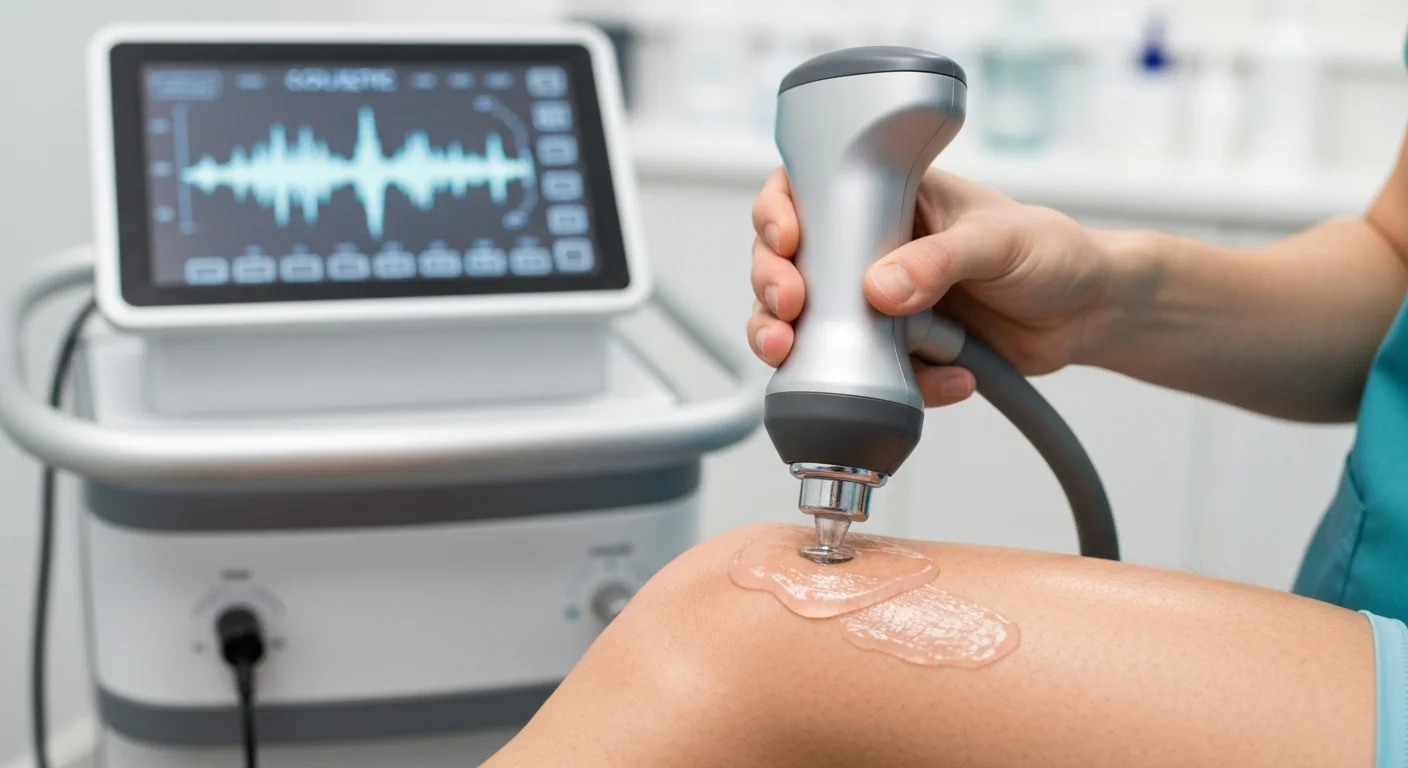
The primary benefits of shockwave therapy include its non-invasive nature, rapid recovery times, and its unique ability to stimulate natural biological tissue remodeling. Unlike surgical interventions, shockwave therapy does not require surgical incisions, local anesthesia, or prolonged periods of immobilization. Patients can typically return to light daily activities immediately following a treatment session, avoiding the muscle atrophy and stiffness associated with surgical recovery.
Another crucial benefit is the reduction of scar tissue and the breakdown of calcifications within tendons, which directly restores joint mobility and flexibility. For athletes, integrating this therapy with comprehensive sports medicine protocols accelerates the healing of tendon-to-bone junctions, allowing for a safer and faster return to sport.
The primary clinical advantages of shockwave therapy include:
- Non-invasive procedure: Eliminates surgical risks, scars, and infection vectors.
- Zero downtime: Allows patients to walk and perform light daily activities immediately.
- Accelerated healing: Stimulates blood vessel growth and collagen synthesis.
- Reduction in medication: Minimizes reliance on anti-inflammatory drugs and opioids.
- Calcification breakdown: Dissolves calcified deposits in chronic shoulder tendinopathies.
Potential Risks: Can Shockwave Therapy Cause Damage?
While shockwave therapy is exceptionally safe when administered by a trained clinician, improper application or high-energy settings on contraindicated tissues can cause localized tissue damage or bruising. This is why self-administered “DIY” shockwave devices or treatments performed by unlicensed operators present significant risks. Improper use can lead to tendon rupture, nerve irritation, or bone bruising.
Common, mild shockwave therapy side effects include transient localized redness, mild swelling, numbness, or a temporary increase in pain immediately after the session. These side effects typically resolve within 24 to 48 hours without any clinical intervention.
To ensure safety, clinicians must avoid treating areas over open growth plates in pediatric patients, near major blood vessels or nerves, over the lungs or thoracic cavity, or in patients with active blood clotting disorders or pacemakers.
Comparative Analysis of Clinical Acoustic Wave Technologies
Understanding the differences between radial and focused shockwave technologies is essential for selecting the correct clinical treatment plan. Radial shockwave therapy generates waves that diverge as they travel, delivering the highest energy concentration at the skin surface. This makes radial therapy ideal for broad, superficial muscular and tendinous areas.
In contrast, focused shockwave therapy utilizes electrohydraulic, electromagnetic, or piezoelectric mechanisms to converge acoustic energy at a specific depth within the body. This allows clinicians to target deeper structures, such as bone non-unions, deep tendon insertions, or specific calcified deposits, without irritating the superficial skin layers.
| Technology Type | Depth of Penetration | Primary Clinical Applications |
|---|---|---|
| Radial Shockwave Therapy | Superficial (3 to 4 cm) | Plantar fasciitis, patellar tendinopathy, myofascial trigger points, large muscle groups. |
| Focused Shockwave Therapy | Deep (up to 12 cm) | Calcific tendinitis, stress fractures, bone non-unions, deep joint pathologies. |
| Low-Intensity ESWT | Variable | Urological applications, mild tendinopathies, localized tissue regeneration. |
| High-Energy ESWT | Deep | Chronic non-healing bone fractures, severe calcified joint pathologies, chronic enthesopathies. |
Practical Protocol: What to Expect During and After Treatment

A standard clinical shockwave therapy protocol involves an initial diagnostic assessment followed by 3 to 5 weekly treatment sessions lasting approximately 10 to 15 minutes each. During the procedure, the practitioner applies a coupling gel to the skin over the target area to facilitate the seamless transmission of acoustic waves. The practitioner then moves the handpiece over the injured tissue, delivering a predetermined number of pulses (typically 2,000 to 3,000 per session).
A typical shockwave therapy session follows these structured clinical steps:
- The clinician performs a physical examination to localize the precise point of maximum tenderness.
- A specialized ultrasound coupling gel is applied to the skin over the treatment area.
- The clinician positions the shockwave applicator handpiece against the skin and sets the appropriate energy parameters.
- Acoustic waves are delivered to the tissue, with the clinician gradually increasing the energy to tolerance levels.
- The gel is removed, and the patient is assessed for immediate functional improvements and pain reduction.
A common professional mistake to avoid is using anti-inflammatory medications (NSAIDs) immediately before or after shockwave therapy. Because the clinical efficacy of shockwave therapy relies on triggering a controlled inflammatory response to stimulate tissue remodeling, taking NSAIDs can actively neutralize the therapy’s therapeutic benefits. Instead, practitioners recommend using acetaminophen or ice packs for mild post-treatment discomfort.
A clinical trial published in the American Journal of Sports Medicine demonstrates that patients who integrated shockwave therapy with targeted eccentric exercises achieved significantly better outcomes than those who used shockwave therapy alone. This highlights the importance of combining advanced modalities with structural rehabilitation.
Medical Disclaimer
The information provided in this article is for educational and informational purposes only and is not intended as medical advice. Shockwave therapy must be administered by licensed healthcare professionals who can properly evaluate individual contraindications and clinical indications. Please consult a qualified pain management specialist or orthopedic clinician to determine if shockwave therapy is safe and appropriate for your specific medical condition.
FAQ
What is shockwave therapy used to treat?
Shockwave therapy is primarily used to treat chronic tendon, ligament, and muscle conditions, such as plantar fasciitis, Achilles tendinopathy, tennis elbow, patellar tendinitis, and calcific tendinitis of the shoulder. It is also utilized in sports medicine to accelerate the healing of stress fractures and myofascial pain syndromes.
How many shockwave therapy sessions will I need?
Most patients require a treatment protocol consisting of 3 to 5 sessions, administered at weekly intervals. The exact number of sessions depends on the chronicity and severity of the condition, as well as the patient’s individual healing response.
Is shockwave therapy painful during the session?
Shockwave therapy can cause mild discomfort or a deep, dull ache during the application of acoustic waves, but the treatment only lasts 5 to 10 minutes. Clinicians can adjust the energy intensity of the device throughout the session to ensure the discomfort remains within the patient’s tolerance limits.
When will I begin to see results from shockwave therapy?
Many patients report an immediate reduction in pain due to the temporary analgesic effect on local nerve fibers. However, the true biological healing process and tissue remodeling occur gradually, with significant, long-term improvement appearing 6 to 12 weeks after the final session.
Can shockwave therapy cause tissue damage?
Shockwave therapy is exceptionally safe and does not cause permanent tissue damage when administered by a trained, licensed clinical professional. Mild and temporary side effects, such as minor swelling, redness, or localized bruising, may occur but typically resolve within 48 hours.
Which patients should avoid shockwave therapy?
Patients who are pregnant, have pacemakers, use blood thinners, have active blood clotting disorders, or have localized tumors or acute infections should avoid shockwave therapy. It should also never be applied directly over open growth plates in children or over the lungs and major nerve structures.