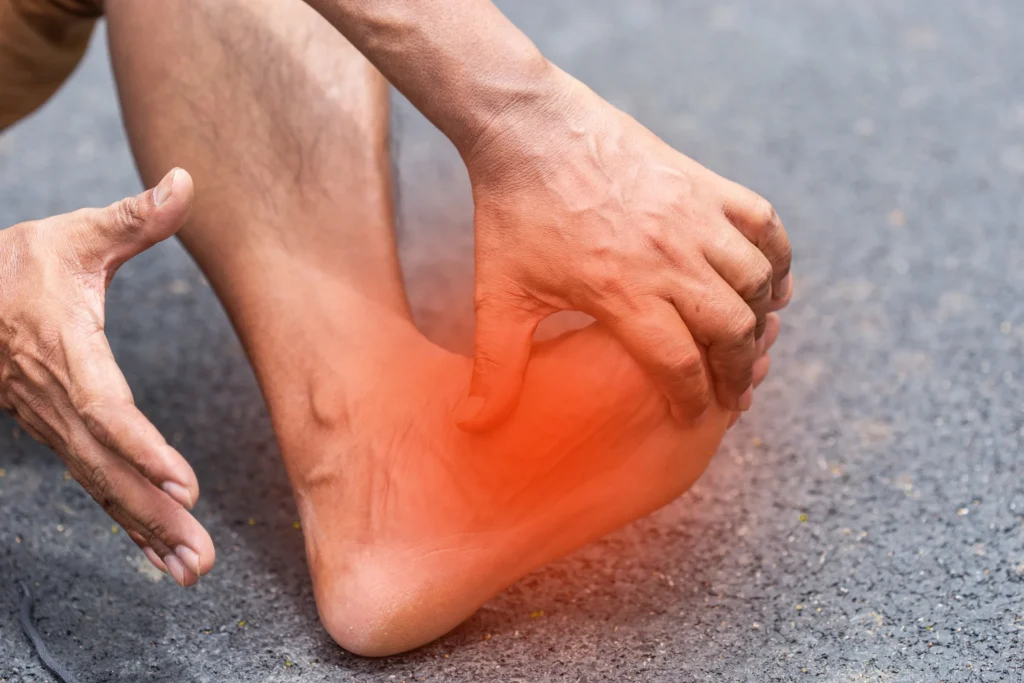
CRPS, short for Complex Regional Pain Syndrome, is a chronic pain condition that usually affects one limb, like an arm, leg, hand, or foot. What makes it unusual is the mismatch between the pain and its cause: it’s far more intense and lasts far longer than the original injury would explain.
It often starts after something ordinary, like a sprain, fracture, or surgery. But instead of fading as the body recovers, the pain stays and can even get worse.
The reason is in the nervous system. Normally, pain signals quiet down as an injury heals. With CRPS, the nerves keep firing, and the brain keeps treating the area as a threat long after the tissue has recovered.
The skin can change color or temperature, swell, or become so sensitive that even a light touch feels unbearable, and over time,e it can affect movement too.
CRPS Symptoms and Causes
Symptoms
Constant Burning Pain. The defining symptom is a deep, burning pain in the affected limb.
Extreme Sensitivity. The area can become so reactive that the lightest touch, a temperature change, or even a breeze triggers intense pain.
Skin Changes. The skin over the affected area may change in color (red, blue, or blotchy), temperature (warmer or cooler than the other limb), or texture (shiny, thin, or sweaty).
Swelling and Stiffness. The limb often swells, making movement difficult.
Changes in Hair and Nails. Hair and nail growth in the area can speed up or slow down noticeably.
Causes
Injury or Trauma. The most common trigger is a fracture, sprain, burn, or crush injury to a limb.
Surgery. CRPS can develop after an operation, even a routine or minor one.
Nerve Damage. Direct injury to a nerve can trigger the abnormal pain response that causes CRPS.
Immobilization. Long periods in a cast or with limited movement can sometimes contribute to it.
Overactive Nervous System Response. At its core, CRPS comes from the nervous system overreacting to an injury and failing to stop pain responses once recovery is complete.
CRPS Treatment Options
Injections
CRPS treatment, including steroid injections, can lower inflammation around the affected nerves and ease the pain response. They often create a window of relief that makes other treatments work better.
Nerve Blocks
A local anesthetic is injected near the nerves causing the pain, usually a sympathetic nerve block, which targets the nerves behind CRPS. Nerve block treatment can break the pain cycle and sometimes help calm the nervous system down.
Medications
Depending on your case, this might include nerve-pain medications, anti-inflammatories, or drugs that quiet overactive nerves. The goal is to ease pain enough to make recovery and other treatments possible.
Physical Therapy
One of the most important parts of CPRS treatment. Gentle, steady movement keeps the limb working and helps retrain the nervous system, even when the pain makes it feel counterintuitive.
Lifestyle Changes
Managing stress, sleeping well, and staying gently active all support recovery.
How Complex Regional Pain Syndrome Is Diagnosed
There’s no single test that confirms CRPS in Chicago, IL. Because it’s caused by the nervous system rather than by something visible on a scan, diagnosis requires careful evaluation and the exclusion of other causes.
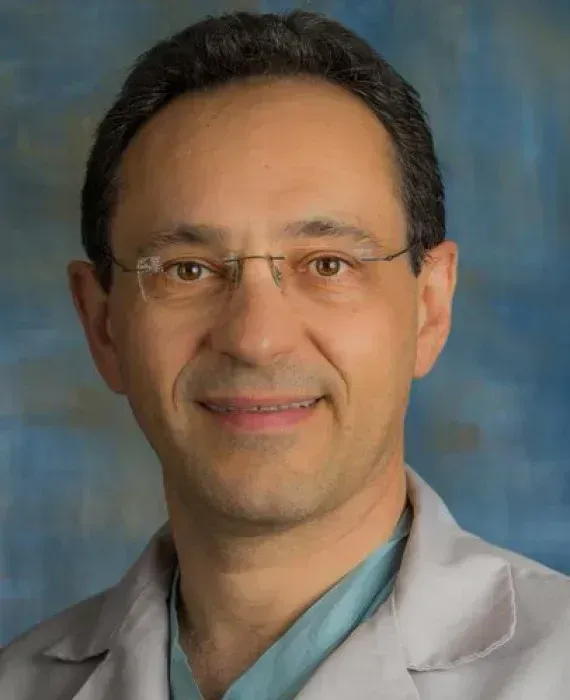
It starts with a conversation and a physical exam. Dr. Tymouch will ask how the pain began, how it’s changed, and if it happened after an injury or surgery. The main clue is that mismatch CRPS is known for – pain far more severe and longer-lasting than the original cause would explain.
Doctors use a set of guidelines called the Budapest Criteria, which involve looking for a specific combination of signs: pain disproportionate to the injury, changes in skin color or temperature, swelling, and movement issues. When enough of these line up and other explanations are ruled out, CRPS becomes the likely diagnosis.
Tests like X-rays, MRIs, or nerve studies may be used. Not to confirm CRPS, but to rule out conditions that mimic it. Complex Regional Pain Syndrome (CRPS) responds better to early treatment.
When to See a CRPS Specialist
As soon as you see something isn’t right. There’s no benefit in trying to walk off CRPS; it’s not the kind of pain that fades with time, and waiting usually makes it harder to treat.
The biggest warning sign is pain that doesn’t match the injury: if a sprain, fracture, or surgery has healed, but the pain is still there, or even getting worse, that’s reason enough to get checked. The same goes for unusual changes in the area, such as swelling, changes in skin color or temperature, or a limb that has become extremely sensitive to touch.
Choose Painless Medical Practice for CRPS Treatment in Chicago, IL
CRPS is hard to manage. Dr. Tymouch listens, and with over 20 years spent treating complex nerve pain, he knows how stubborn this condition can be.
Complex Regional Pain Syndrome treatment is built around your body. Depending on your case, that could include nerve blocks, physical therapy, targeted injections, regenerative medicine, or a mix of approaches.
For dependable pain management in Chicago, IL, our priority is to get the pain under control and help you move better, without dragging things out over endless visits and unrealistic promises. If CRPS is messing with your life, book a consultation in Chicago, IL, and let’s get started.
Our Insurance Partners
We accept most of commercial insurances
FAQs About CRPS Treatment
What is CRPS treatment?
CRPS treatment focuses on reducing pain, improving mobility, and calming the overactive nervous system. Depending on the patient, treatment may include medications, injections, nerve blocks, physical therapy, and lifestyle changes.
What causes CRPS?
CRPS is usually triggered by an injury, surgery, fracture, burn, or nerve damage. The condition develops when the nervous system continues sending pain signals long after the original injury has healed.
How is CRPS diagnosed?
There is no single test for CRPS. Diagnosis is based on symptoms, a physical examination, medical history, and the exclusion of other conditions using established guidelines such as the Budapest Criteria.
What CRPS treatment options are available?
Common CRPS treatment options include nerve blocks, steroid injections, medications, physical therapy, and lifestyle modifications. The best complex regional pain syndrome treatment plan depends on the severity of symptoms and the individual’s needs.
What People Say About CRPS Treatment in Chicago, IL
You can also leave your feedback on our Google profile if you have used
our services before
Dr Tymouch is awesome. He really understands my needs and delivered. The stem wave therapy and injections have helped me to get on with my daily activities.
I recently visited Dr Tymouch, and I couldn’t be more impressed with the experience. From the start to the finish, the process was smooth and stress free. The doctor took time to explain the procedure clearly, answered all my questions, and made sure I felt comfortable throughout.
If you are looking for a knowledgeable, compassionate and highly skilled professional, I highly recommend Dr Tymouch. His expertise truly stand out!
Dr. Tymouch is simply the best! Cured my chronic plantar fasciitis in a month with a combo of laser, ultrasound, and a shot! Office is clean, no wait, every one is sooo nice! Highly recommend!
Had a horrible knee problem, came to the clinic and The Dr did a wonderful job. No more pain. The Dr. was recommended by some friends. One thing is for sure. He knows what he is doing for sure. Esteban. Thank you Doc.
I came to Dr. Yaroslav Tymouch with heavy knee pain just days before an upcoming vacation. A friend recommended him—and I’m so glad they did! From the moment I walked into Painless Medical Practice, the atmosphere was welcoming, calm, and professional.
Dr. Tymouch took the time to carefully explain everything, answer my questions, and made me feel completely at ease throughout the entire visit. He treated my knee pain with injections, and the results were truly amazing and fast. I happy that I will be able to enjoy my vacation without discomfort. I’m so grateful for his care and highly recommend Dr. Tymouch to anyone in need of expert, compassionate treatment.
I recently visited Dr. Jaroslav Tymouch’s office in Ukrainian village, and I had a very positive experience. He is an excellent pain doctor who truly listens to his patients. He takes the time to understand concerns and provides clear explanations, which is very helpful. I appreciate his professionalism and compassionate approach to care. I highly recommend Dr. Tymouch to anyone in need of a knowledgeable and attentive pain specialist.
I am finally getting relief after being recommended to Dr.Tymouch! He has taken a multi-pronged approach to my on-going hip and leg pain. He is attentive and thoughtful and Victoria is professional and caring. Worth making an appointment if you want to explore different modalities and get results.
Thank you for your professionalism! Your treatment inspires faith in recovery even in very difficult cases. I recommend everyone to contact Mr. Tymosh and not to delay the visit to those who have joint problems. Friendly staff, everything is at a high level. Thank you very much!
Many thanks to Yaroslav Tymosh for the treatment of my parents, they are already regular patients of this doctor, he will always prescribe the right treatment for those who have health problems, namely those diseases treated by Mr. Tymosh, contact him, you will not regret it. My parents recommend this doctor to all their friends!
My father ( 97 years old) recently had his pain injections with Dr. Tymouch. I worked in health care for 38 years along side many physicians and speaking from experience I can honestly say he delivered exceptional care and great bedside manners. If I personally ever need pain injections he will definitely be the doctor I go to.
Amazing! I was having many issues with providers due to a special insurance case. I was turned away 5+ times even though I would have coverage and Dr. Tymouch was the first doctor I spoke with that actually listened to me and gave me care. The staff is well trained and very efficient, so grateful for the life changing work they do!
Dr. Tymouch is an incredible doctor! He helped me relieve my knee pain with injections and it worked wonders! I highly recommend coming to him with any pain issues!