Shoulder pain is discomfort that affects the joint, muscles, tendons, or surrounding tissues of your shoulder. It can feel like a dull ache, sharp pain, stiffness, or soreness that gets worse when you lift your arm, reach overhead, or lie on the affected side.
Sometimes the discomfort is limited to the shoulder itself. Other times, you may experience shoulder blade pain that spreads across your upper back or toward your neck. The location and type of pain can help your doctor understand which structures may be involved.
The discomfort may develop suddenly after an injury or gradually from repetitive movements and everyday wear and tear. When symptoms last for months or keep returning, they may become chronic shoulder pain, making work, exercise, and even sleeping uncomfortable.
Getting proper shoulder pain treatment can help you manage symptoms, improve mobility, and return to your usual activities.
The causes of shoulder pain vary from simple muscle strain to conditions affecting the joints, tendons, and surrounding tissues. Some problems develop after an injury, while others occur gradually with repetitive use or age-related changes.
Common causes include:
When inflammation contributes to persistent discomfort, joint injections may be recommended. These procedures deliver medication directly into the affected joint to help reduce pain and improve mobility.
We also provide steroid injections, which may help manage inflammation associated with certain shoulder conditions, including arthritis and frozen shoulder.
Some patients may benefit from non-invasive treatments such as shockwave therapy or laser therapy. These methods use acoustic waves or light energy to treat selected musculoskeletal conditions.
Shockwave therapy may be considered for certain tendon problems, while laser therapy is sometimes used to help manage musculoskeletal discomfort. Their effectiveness varies by condition, so neither is appropriate for every shoulder problem.
Over-the-counter or prescription medications may help reduce pain and inflammation in the shoulder. Depending on your condition, your doctor may recommend pain relievers or anti-inflammatory medications to manage symptoms and make everyday movements more comfortable.
Physical therapy is often one of the first options recommended for shoulder injuries, stiffness, and muscle weakness. It uses targeted exercises, stretching, and controlled movements to improve flexibility and strengthen the muscles supporting your shoulder. For some patients, improving posture and strengthening the upper back muscles may also contribute to shoulder blade pain relief.
Mild soreness after exercise or repetitive activity may improve with rest and simple home care. However, some symptoms require medical evaluation, especially when they continue to interfere with everyday activities.
Consider seeing a doctor if:
Seeking medical advice early can help identify the problem and determine which options may provide lasting shoulder pain relief.
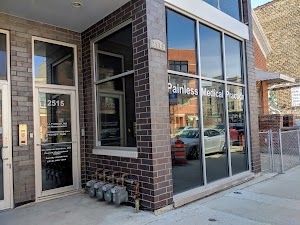
At Painless Medical Practice, our pain management clinic in Chicago, IL, is led by Dr. Jaroslav Tymouch, a physician specializing in anesthesiology and pain management with over 20 years of experience.
We take time to understand your symptoms, examine the affected area, and determine which treatments may be appropriate. Whether you’re dealing with joint inflammation, muscle discomfort, or a persistent shoulder problem, our goal is to develop a practical care plan that fits your needs.
Our approach focuses on non-surgical treatment whenever appropriate, combining physical therapy, targeted injections, and other available methods based on your condition. We aim to help you make meaningful progress without unnecessary appointments or procedures. Your shoulder pain treatment plan is tailored to your specific symptoms and recovery goals
If pain is keeping you from working, sleeping, or enjoying your usual activities, contact our Chicago team to explore your options for shoulder pain relief and schedule an appointment.


Shoulder pain can result from rotator cuff injuries, bursitis, arthritis, tendinitis, muscle strains, or frozen shoulder. Repetitive movements and injuries can also contribute to discomfort. A medical evaluation can help identify the underlying cause.
For mild discomfort, rest from activities that worsen the pain, apply ice, and try gentle movements. If symptoms persist, treatment options such as physical therapy, targeted injections, or other non-surgical methods may help, depending on the underlying cause.

Try sleeping on your back or your unaffected side. Place a pillow under the painful arm to support the shoulder and reduce pressure. Avoid sleeping directly on the affected shoulder, as this can worsen discomfort.
Shoulder bursitis commonly causes pain around the outer or upper shoulder, sometimes extending down the upper arm. Scapulothoracic bursitis can cause discomfort along the shoulder blade or between the shoulder blade and rib cage.
If you experience shoulder pain, note what triggers it and whether it limits your movement. If the discomfort persists or worsens, a doctor may recommend medications, physical therapy, joint injections, or non-invasive treatments such as shockwave or laser therapy, depending on the underlying cause.