The sacroiliac joint connects the base of the spine to the pelvis, one on each side. When it becomes inflamed or damaged, it can cause lower back, hip, and buttock pain that can be difficult to identify.
A SI joint injection delivers a local anesthetic and a steroid directly into the joint. The anesthetic eases pain very quickly, while the steroid calms down inflammation over time. It also helps confirm if the joint is actually the source. If the sacroiliac joint injection brings relief, that’s a strong diagnostic signal.
It’s used for lower back pain, SI joint dysfunction, arthritis, and pain related to pregnancy or pelvic injury.
If a SI joint injection is the right fit for your situation, here’s what the procedure includes. Bringing any relevant medical records, such as imaging, prior diagnoses, and treatment history, is always helpful and gives Dr. Tymouch a clearer picture before anything is decided.
The procedure itself is performed under image guidance, such as fluoroscopy or ultrasound, to ensure the needle reaches the joint precisely. You’ll be positioned face down, the skin is cleaned and numbed, and the needle is carefully advanced into the joint. Once placement is confirmed, the medication is delivered.
The whole thing takes around 15-30 minutes. Most patients go home the same day and can return to normal activity shortly after.
The sacroiliac joint injection procedure itself is simple, so no complicated steps are required. But a few simple things will make the process smoother.
Right after the procedure in Chicago, IL, the anesthetic will make the area feel numb or less painful. Once it wears off, some pain may return before the steroid starts working. That’s normal.
The steroid usually starts working within 24-72 hours. Relief can last anywhere from a few weeks to several months, depending on the person. Strenuous exercise is best avoided for at least 24 hours.
If the SI injection provides good relief, physical therapy is worth considering, because it’s easier to work on strength and movement issues when pain isn’t in the way.
SI joint pain often gets misdiagnosed and treated the wrong way as a result. Dr. Tymouch makes sure the source is correctly identified before recommending anything.
From there, treatment is built around your specific situation. That might mean a steroid injection, a PRP injection for tissue recovery, a scapulothoracic bursa injection for related structural pain, or a joint injection targeting multiple sources. You get what makes sense for your case, not more, not less.
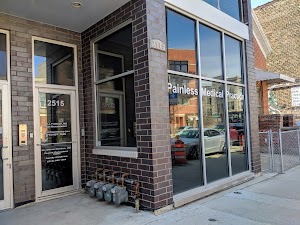
For dependable pain management in Chicago, IL, Painless Medical Practice focuses on results, which means fewer visits and measurable results. Book an appointment in Chicago, IL, and let us help you feel better.


A sacroiliac joint injection is a treatment used to address lower back, hip, and buttock pain caused by inflammation or dysfunction in the sacroiliac joint, which connects the spine to the pelvis. The injection contains a local anesthetic for immediate pain relief and a steroid to reduce long-term inflammation. It can also help confirm if the SI joint is the source of pain, making it a valuable diagnostic tool for conditions like SI joint dysfunction, arthritis, and pain related to pregnancy or pelvic injury.
The effects of an SI joint injection can vary between patients. The local anesthetic typically provides immediate relief, but the steroid begins to work within 24-72 hours and may offer pain relief lasting from a few weeks to several months. The duration depends on the individual’s response to the injection and the underlying condition.
After the SI joint injection, you’ll feel numbness or reduced pain due to the anesthetic. As it wears off, some pain may return temporarily until the steroid takes effect. It typically starts working within 1-3 days, providing relief that can last from a few weeks to several months. Strenuous activities should be avoided for at least 24 hours after the injection.
Post-procedure, it’s important to rest and avoid strenuous exercise for at least 24 hours. You may resume normal activities as long as you’re comfortable. If the sacroiliac joint injection provides significant relief, physical therapy can help further improve strength and mobility, making recovery easier.
The SI joint injection itself is typically well-tolerated. Some discomfort may be felt during the procedure, but it should not be overly painful. Afterward, some soreness and temporary pain increase are common, but these usually resolve quickly.