Postoperative pain is pain that happens after surgery, hence the name. It is usually felt in the area where the procedure was done, but it can also be felt in the nearby tissue.
For some people, it feels sore, achy, or tender. For others, it may feel sharper, tighter, or throbbing. This pain can last a short time or stay around longer, depending on the surgery and how recovery is going. It can make normal things like walking, sleeping, getting dressed, or even simply moving around more difficult.
What Causes Postoperative Pain
Postoperative pain happens because surgery puts stress on the body’s tissues. Even when a procedure goes exactly as planned, it still creates a controlled injury. That triggers inflammation, which is part of the recovery process. The body releases chemicals that make the area more sensitive so that normal movement can hurt more than usual for a while. If small nerves in the area are irritated during surgery, pain signals can become even stronger.
What makes it different from person to person is that pain is not only about the surgery itself. It also depends on factors such as the type and size of the procedure, how long the surgery lasted, whether the area already hurt before surgery, and the person’s sensitivity to pain.
Anxiety, poor sleep, smoking, depression, and even genetics can affect how strongly the body makes the pain feel after surgery. In some people, the nervous system stays extra sensitive for longer, which is one reason postoperative pain can last more than expected.
Chronic Post-Surgical Pain Symptoms
Chronic post-surgical pain can feel different from one person to another, but it usually lasts well beyond the normal recovery period. It may feel like a burning pain, a deep ache that never fully goes away, or a sharp, shooting pain, especially if there is nerve irritation. In some cases, the area may feel numb rather than painful at all times, or a person may experience both numbness and pain.
Another common sign is unusual sensitivity. Light touch, pressure from clothing, or temperature changes may feel more uncomfortable than they should. The pain is often near the surgical site, but it can also spread to nearby areas.
Conditions We Treat in Chicago
Headaches
Chronic Headaches
Migraine
Arthritis
Sciatica
Back Pain
Neck Pain
Knees Pain
Post-Surgical Pain
Hips Pain
Joints Pain
Muscle Pain
Neuropathic Pain
How Post-Surgery Pain Is Diagnosed
Post-surgery pain is usually diagnosed during follow-up visits after surgery or by your primary care doctor. We start by discussing where the pain is, when it started, if it is improving, and how it affects your life. Chronic post-surgical pain is generally pain that lasts more than 3 months after surgery, not just normal soreness during early recovery.
The next step is figuring out if the pain is still part of normal recovery or if something else is going on. That usually means reviewing your surgical history, examining the area, and ruling out other causes such as infection, another pain condition, or a surgical complication. Sometimes additional testing is needed if the picture is unclear.
There is also more focus now on spotting patients who are at higher risk before surgery or soon after, so pain can be treated earlier and is less likely to turn into long-term chronic pain.
Postoperative Pain Management Options
NSAIDs and acetaminophen
These are common first-step postoperative pain management medicines. They help treat pain and inflammation and can lower how much opioid medicine you need.
Opioids
These stronger pain medicines may be used for the short term after surgery when pain is very intense.
Topical or local anesthetics
These numb a specific area and may be used as creams, patches, or local numbing medicine around the surgical site.
IV pain medicine or PCA pump
Right after surgery, some patients get pain medicine through an IV. A PCA pump lets you give yourself a safe dose when needed.
Nerve blocks
Nerve blocks target a specific nerve pathway to numb one area of the body.
Epidural pain control
For some surgeries, pain medicine can be given through a small catheter near the spine for stronger post surgery pain relief.
Physical therapy and guided movement
Good pain control helps you start moving sooner, and professional rehab can help with recovery.
Shockwave therapy
In some cases, a clinic may consider non-invasive options, such as shockwave therapy, later in the recovery process.
When to Seek Post-Surgical Pain Management
It makes sense to seek help if post surgery pain feels too strong, is not improving, or is making your everyday life harder. In general, pain should slowly improve as you recover, not stay the same or worsen.
It’s also important to reach out if something feels unusual, such as swelling, redness, drainage, fever, or pain that suddenly becomes more intense. There is no benefit to just pushing through it. The sooner you speak up, the sooner your doctor can make sure your postoperative pain management is progressing.
Choose Painless Medical Practice for Post Surgery Pain Relief in Chicago, IL
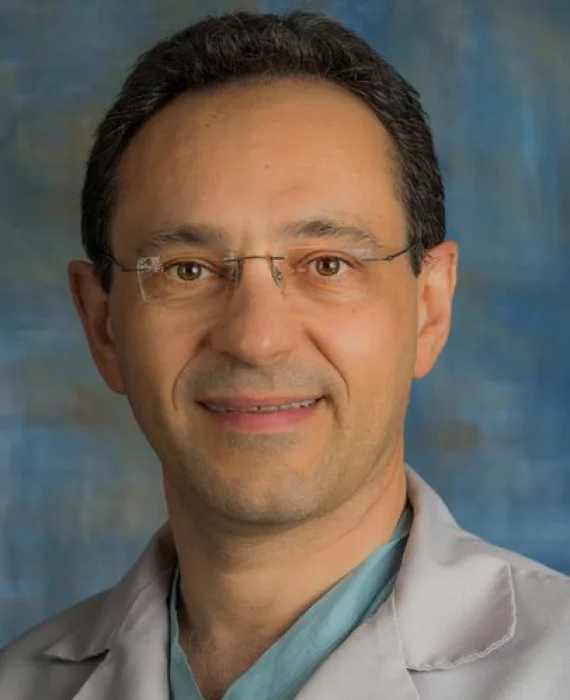
At Painless Medical Practice in Chicago, IL, we know that post-surgical pain can make both your recovery and your life much harder. Our clinic is led by Jaroslav Tymouch, MD, Founder of Painless Medical Practice, so an experienced physician handles your care.
We keep treatment simple and efficient. If there is a way to provide better post-surgical pain management in fewer sessions without compromising results, we aim to achieve that. We always listen to how you respond and adjust when needed.
If you need pain management in Chicago, IL, you can trust our team to help you move through recovery more effectively. Schedule an appointment with Painless Medical Practice in Chicago, IL, and let’s discuss post-surgical pain management.
Our Insurance Partners
We accept most of commercial insurances
FAQs About Postoperative Pain Management in Chicago
What Is Postoperative Pain Management?
Postoperative pain management is the process of controlling pain after surgery using a combination of treatments such as medications, nerve blocks, and physical therapy to support recovery and improve comfort.
What Helps with Post-Surgery Pain?
Post-surgery pain can be managed with medications like NSAIDs or opioids, local anesthetics, nerve blocks, and guided movement through physical therapy. In some cases, non-invasive options like shockwave therapy may also be used during recovery.
What Causes Postoperative Pain?
Postoperative pain occurs because surgery creates a controlled injury to the body’s tissues. This triggers inflammation and increases sensitivity in the affected area, sometimes involving irritated nerves. The level of pain can vary depending on the type of surgery, recovery process, and individual factors like pain sensitivity and overall health.
When Should I Seek Help for Post-Surgery Pain?
You should seek help if your pain is not improving, becomes worse, or starts to interfere with daily activities. It’s also important to contact your doctor if you notice unusual symptoms such as swelling, redness, fever, or sudden increases in pain.
What People Say About Post Surgical Pain Management
You can also leave your feedback on our Google profile if you have used
our services before
Dr Tymouch is awesome. He really understands my needs and delivered. The stem wave therapy and injections have helped me to get on with my daily activities.
I recently visited Dr Tymouch, and I couldn’t be more impressed with the experience. From the start to the finish, the process was smooth and stress free. The doctor took time to explain the procedure clearly, answered all my questions, and made sure I felt comfortable throughout. If you are looking for a knowledgeable, compassionate and highly skilled professional, I highly recommend Dr Tymouch. His expertise truly stand out!
Dr. Tymouch is simply the best! Cured my chronic plantar fasciitis in a month with a combo of laser, ultrasound, and a shot! Office is clean, no wait, every one is sooo nice! Highly recommend!
Had a horrible knee problem, came to the clinic and The Dr did a wonderful job. No more pain. The Dr. was recommended by some friends. One thing is for sure. He knows what he is doing for sure. Esteban. Thank you Doc.
I came to Dr. Yaroslav Tymouch with heavy knee pain just days before an upcoming vacation. A friend recommended him—and I’m so glad they did! From the moment I walked into Painless Medical Practice, the atmosphere was welcoming, calm, and professional. Dr. Tymouch took the time to carefully explain everything, answer my questions, and made me feel completely at ease throughout the entire visit. He treated my knee pain with injections, and the results were truly amazing and fast. I happy that I will be able to enjoy my vacation without discomfort. I’m so grateful for his care and highly recommend Dr. Tymouch to anyone in need of expert, compassionate treatment.
I recently visited Dr. Jaroslav Tymouch’s office in Ukrainian village, and I had a very positive experience. He is an excellent pain doctor who truly listens to his patients. He takes the time to understand concerns and provides clear explanations, which is very helpful. I appreciate his professionalism and compassionate approach to care. I highly recommend Dr. Tymouch to anyone in need of a knowledgeable and attentive pain specialist.
I am finally getting relief after being recommended to Dr.Tymouch! He has taken a multi-pronged approach to my on-going hip and leg pain. He is attentive and thoughtful and Victoria is professional and caring. Worth making an appointment if you want to explore different modalities and get results.
Thank you for your professionalism! Your treatment inspires faith in recovery even in very difficult cases. I recommend everyone to contact Mr. Tymosh and not to delay the visit to those who have joint problems. Friendly staff, everything is at a high level. Thank you very much!
Many thanks to Yaroslav Tymosh for the treatment of my parents, they are already regular patients of this doctor, he will always prescribe the right treatment for those who have health problems, namely those diseases treated by Mr. Tymosh, contact him, you will not regret it. My parents recommend this doctor to all their friends!
My father ( 97 years old) recently had his pain injections with Dr. Tymouch. I worked in health care for 38 years along side many physicians and speaking from experience I can honestly say he delivered exceptional care and great bedside manners. If I personally ever need pain injections he will definitely be the doctor I go to.
Amazing! I was having many issues with providers due to a special insurance case. I was turned away 5+ times even though I would have coverage and Dr. Tymouch was the first doctor I spoke with that actually listened to me and gave me care. The staff is well trained and very efficient, so grateful for the life changing work they do!
Dr. Tymouch is an incredible doctor! He helped me relieve my knee pain with injections and it worked wonders! I highly recommend coming to him with any pain issues!