Muscle pain, also called myalgia, is discomfort in a muscle or a group of muscles. It can be felt in one small area or across a larger part of the body. Some people describe it as soreness, tightness, or just a deep ache.
Muscle pain can be acute or chronic. It may stay in one spot or feel more general. Since muscles are involved in almost every movement you make, muscle pain can affect basic things like walking, reaching, standing up from a chair, or even getting comfortable in bed.
Muscle pain is usually diagnosed with a mix of questions and a physical exam. We start by asking where the pain is, when it began, what activities make it worse or better, and if it feels like one spot or more widespread. We also review your medical history and medications, since those can matter.
Next, we examine the area for tenderness, tightness, swelling, and how the muscle moves. If the cause isn’t clear, the pain is severe, or it keeps coming back, additional testing may help. That can include blood tests to look for signs of infection, inflammation, hormone issues, or electrolyte imbalances.
In some cases, imaging such as an MRI or CT scan can be used to detect muscle injury. If nerve-related problems are suspected, an EMG may be recommended. In rare cases, a muscle biopsy is used when a specific muscle disease is being considered.
Short-term pain and anti-inflammatory options can help calm symptoms.
Physical therapy builds strength and helps you return to normal movement.
Targeted steroid injections may be used when inflammation is a clear part of the problem.
Shockwave therapy, laser therapy, and StemWave therapy. Non-invasive options that may help stubborn muscle or soft-tissue pain, depending on your case.
In some cases, regenerative medicine options, such as PRP injections or stem cell-based treatments, may be considered.
You can get muscle pain relief in Chicago, IL, at any point, but it usually makes sense to come in sooner rather than later. Waiting and downplaying the issues can cause you to move differently without noticing, which can strain other muscles and joints.
Consider muscle pain management if the pain is affecting daily activities, such as walking, working, exercising, or sleeping. It’s also worth checking if the pain keeps coming back, isn’t improving, or feels like it’s slowly getting worse. The sooner you get help, the bigger the chances of avoiding invasive and advanced treatments.
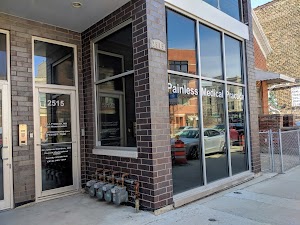
At Painless Medical Practice in Chicago, IL, we keep muscle pain treatment simple and professional. We take the time to understand what’s going on, then create a muscle pain relief plan that actually fits your situation. The clinic is led by an experienced doctor for muscle pain, Jaroslav Tymouch, MD, our Founder, so your care is supervised by a seasoned physician.
We also respect your time. If you can improve in fewer visits, that’s what we aim for. If you’re looking for trusted pain management in Chicago, IL, we’re here to help you move more easily and feel more like yourself again.


Muscle pain can be caused by overuse, strain, injuries, infections, medication side effects, or chronic conditions like fibromyalgia. Repetitive movements, heavy lifting, and intense workouts are common triggers.
In some cases, muscle pain may be related to underlying issues such as thyroid disorders, vitamin deficiencies, autoimmune diseases, or reduced blood flow. Proper evaluation helps determine the exact cause.
Muscle pain often feels like soreness, tightness, tenderness, or a deep aching sensation. Some people experience cramping or muscle spasms, while others notice weakness in the affected area.
The discomfort may stay in one specific muscle or feel more widespread, especially during infections or chronic pain conditions.
What’s good for muscle pain depends on the cause. Rest, gentle stretching, hydration, and over-the-counter anti-inflammatory medications may help mild cases.
For persistent pain, physical therapy, targeted injections, shockwave therapy, laser therapy, or regenerative treatments may be recommended. Addressing the underlying cause is key to long-term relief.
How to treat muscle pain starts with identifying whether it’s due to strain, inflammation, injury, or a medical condition. Treatment options may include medications, physical therapy, activity modification, and non-invasive therapies.
In some cases, additional treatment options such as PRP injections or other regenerative therapies may be discussed if appropriate.
You should be concerned if muscle pain is severe, persistent, worsening, or interfering with daily activities like walking, working, or sleeping.
Seek medical attention immediately if muscle pain is accompanied by swelling, redness, fever, unexplained weakness, dark urine, or occurs after a significant injury. These symptoms may indicate a more serious condition that requires prompt evaluation.