

Seeking professional pain management care is often an important step toward identifying the source of discomfort and developing an effective treatment strategy. For many patients, the first appointment may feel unfamiliar or even intimidating, especially when they are unsure what the consultation will involve. Understanding what to expect during an initial pain management visit can help reduce anxiety, improve communication with the provider, and ensure patients arrive prepared to discuss their symptoms, medical history, and treatment goals.
Understanding Your Initial Pain Management Consultation in Chicago
Embarking on a journey to manage chronic or acute pain begins with a crucial first step: the initial pain management appointment. This consultation is a comprehensive diagnostic and strategic planning session, not typically a direct treatment session. For individuals experiencing persistent pain, the primary objective is to establish an accurate diagnosis and formulate a personalized, evidence-based treatment plan. Patients should prepare by compiling a detailed medical history, including specific pain characteristics, previous interventions, and any relevant imaging or medical records. This preparation ensures that the pain specialist can conduct a thorough assessment, which includes an in-depth discussion of symptoms, a physical examination, and a review of diagnostic tests. The expected outcome is a clear understanding of the pain’s etiology and a strategic roadmap outlining potential interventions, ranging from conservative therapies to advanced interventional procedures, all tailored to the individual’s unique condition and goals for improved function and reduced discomfort.
Preparing for Your Initial Pain Management Consultation
Effective preparation for a pain management appointment significantly enhances its productivity and diagnostic accuracy. Patients are advised to consider the consultation an active partnership, where providing comprehensive information is paramount. This initial visit lays the groundwork for all subsequent interventions and directly influences the specificity and efficacy of the proposed treatment plan.
Essential Documentation and Information Gathering
Prior to the appointment, gathering all pertinent medical documentation is critical. This includes a complete list of current medications, including over-the-counter drugs and supplements, with their dosages. Any previous medical records, such as consultation notes from other specialists, discharge summaries, or surgical reports, provide crucial context. Imaging studies, including X-rays, MRIs, and CT scans, along with their official reports, are indispensable for visualizing potential anatomical sources of pain. For instance, a lumbar MRI displaying disc herniation can directly inform a diagnosis of sciatica. Patients should also bring their photo identification, insurance card, and any required referrals.
The Value of a Detailed Pain History
A comprehensive narrative of one’s pain experience is fundamental. This is more than merely stating pain exists; it requires specific details to guide the diagnostic process. Patients should be prepared to articulate:
- Onset: When and how the pain began (e.g., sudden injury, gradual onset, post-surgical).
- Location: Precise areas of pain, including any radiating patterns (e.g., lower back pain radiating down the leg).
- Character: Descriptors such as sharp, dull, burning, throbbing, aching, tingling, or numb.
- Intensity: A consistent rating of pain on a scale of 0-10, both at its best and worst.
- Duration: Whether the pain is constant or intermittent, and its typical duration.
- Aggravating Factors: Activities, positions, or times of day that worsen the pain.
- Alleviating Factors: What makes the pain better (e.g., rest, specific medications, heat/cold).
- Previous Treatments: A detailed list of all past therapies tried, including medications, physical therapy, chiropractic care, alternative treatments, and prior injections or surgeries, along with their effectiveness.
- Functional Impact: How the pain affects daily activities, sleep, mood, and overall quality of life.
Maintaining a pain journal for a week or two leading up to the appointment can help provide a more objective and consistent record of these parameters. This detailed patient history is often as informative as diagnostic imaging, especially for complex or neuropathic pain syndromes.
The Comprehensive Pain Assessment Process
Upon arrival for a pain management consultation, the process is structured to systematically gather all necessary information to understand the patient’s condition thoroughly. This systematic approach ensures no critical detail is overlooked, contributing to an accurate diagnosis and an effective treatment strategy.
Initial Intake and Vitals
The initial phase of the appointment typically involves check-in procedures, where administrative staff will confirm patient details, insurance information, and any necessary consent forms. This is followed by a medical assistant or nurse conducting a preliminary intake. During this stage, vital signs such as blood pressure, heart rate, temperature, and respiration rate are recorded. The patient’s height and weight are also measured. Furthermore, a concise review of the patient’s chief complaint, current medications, and allergies is conducted, preparing the patient for the physician’s evaluation. This efficient process ensures that the specialist can dedicate maximum time to the clinical assessment.
The Physician’s Clinical Evaluation
The core of the first pain management appointment is the in-depth consultation with the pain specialist. This session typically lasts 20-30 minutes, though complex cases may require more time. The physician will engage in a detailed discussion of the patient’s pain history, expanding upon the information the patient has prepared. This includes clarifying the pain’s characteristics, its impact on daily life, and the efficacy of previous treatments. Following the verbal history, a targeted physical examination is performed. This examination focuses on the areas of reported pain and may include:
- Palpation: Identifying tender points, muscle spasms, or structural abnormalities.
- Range of Motion: Assessing the mobility of affected joints and spinal segments (e.g., for neck pain or knee pain).
- Neurological Assessment: Evaluating sensation, motor strength, and reflexes to detect potential nerve compression or damage.
- Orthopedic Maneuvers: Performing specific tests to pinpoint the source of musculoskeletal pain, such as straight leg raises for sciatica.
A critical aspect of this evaluation is observing how pain impacts movement and posture. An experienced practitioner often identifies patterns or compensatory behaviors that provide additional diagnostic clues. One common professional mistake to avoid is minimizing symptoms or failing to articulate the full functional impact of pain. Patients should openly communicate all relevant details, as even seemingly minor symptoms can be significant for diagnosis.
Diagnostic Imaging and Further Testing
Based on the clinical history and physical examination, the pain specialist may determine that additional diagnostic tests are necessary. While patients are encouraged to bring existing imaging, new studies may be ordered to obtain more current information or to investigate areas not previously examined. Common diagnostic tests include:
- X-rays: To visualize bone structures and identify issues like fractures, arthritis, or spinal alignment problems.
- Magnetic Resonance Imaging (MRI): Provides detailed images of soft tissues, including discs, nerves, muscles, and ligaments, crucial for diagnosing conditions like herniated discs or spinal stenosis.
- Computed Tomography (CT) Scans: Offers cross-sectional images, particularly useful for bone pathology or when MRI is contraindicated.
- Electromyography (EMG) and Nerve Conduction Studies (NCS): To assess nerve and muscle function, especially in cases of suspected nerve damage or radiculopathy.
- Discography: An invasive diagnostic procedure used to identify if a specific intervertebral disc is the source of a patient’s pain.
These tests provide objective evidence to corroborate clinical findings and help in precise treatment planning. According to the National Institute of Neurological Disorders and Stroke (NINDS), advanced imaging can often confirm the exact anatomical source of pain, such as specific nerve root compression.
Developing Your Personalized Pain Treatment Plan

Following a thorough assessment, the pain specialist collaborates with the patient to formulate a tailored treatment strategy. This plan is designed not only to alleviate pain but also to improve functional capacity and enhance overall quality of life. The approach is typically multimodal, integrating various therapeutic options.
Multimodal Treatment Modalities
The initial treatment plan may incorporate a combination of conservative and interventional therapies. The chosen modalities depend on the specific diagnosis, pain severity, patient preferences, and overall health status. Common components include:
- Medication Management: This may involve prescribing non-steroidal anti-inflammatory drugs (NSAIDs), neuropathic pain medications, muscle relaxants, or in some cases, opioid analgesics under strict monitoring. The goal is to optimize pain relief while minimizing side effects and risk of dependence.
- Physical Therapy: Referral to a physical therapist is common, focusing on exercises to strengthen muscles, improve flexibility, correct posture, and enhance functional movement.
- Interventional Procedures: These minimally invasive procedures directly target the source of pain. Examples include:
- Epidural injections for nerve root inflammation.
- Facet joint injections or medial branch blocks for spinal joint pain.
- Nerve blocks for localized nerve pain.
- Trigger point injections for myofascial pain.
- Regenerative medicine techniques like PRP injections for joint and tissue repair.
- Viscosupplementation (e.g., Synvisc One, Hyalgan, Supartz, Zilretta) for arthritis, especially in the knees.
- Botox injections for chronic migraine relief and certain muscle spasms.
- Lifestyle Modifications: Recommendations for weight management, ergonomic adjustments, stress reduction techniques, and smoking cessation.
- Psychological Support: Chronic pain often has significant psychological components. Cognitive Behavioral Therapy (CBT) or other psychological interventions can help patients cope with pain and improve their quality of life.
Setting Realistic Goals and Expectations
A crucial part of treatment planning involves establishing realistic goals. Complete elimination of pain may not always be achievable, especially in chronic conditions. The focus shifts to reducing pain to a manageable level, improving function, and enhancing overall well-being. For example, a goal might be to walk for 30 minutes without severe discomfort or to return to certain hobbies. According to the Centers for Disease Control and Prevention (CDC), approximately 20.9% of U.S. adults experienced chronic pain in 2021, highlighting the widespread need for effective pain management strategies that prioritize functional improvement alongside pain reduction. Patients should openly discuss their aspirations and limitations with their physician to ensure the plan aligns with their expectations and lifestyle. The first visit typically involves outlining an initial set of steps; comprehensive treatment may unfold over several subsequent appointments.
Distinguishing a Pain Management Visit from General Medical Consultations
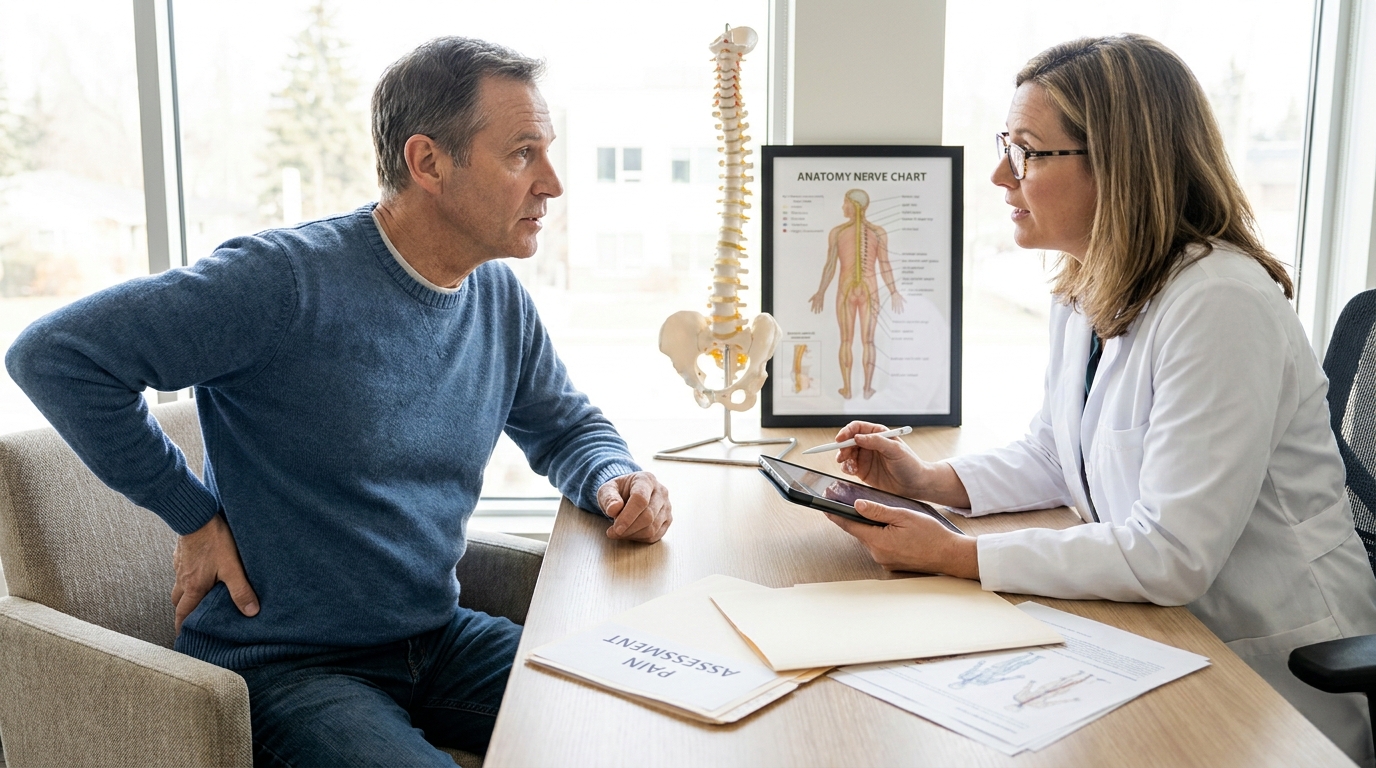
A pain management appointment differs significantly from a routine visit to a primary care physician. While both involve a medical consultation, the depth of focus, specialized assessment techniques, and breadth of treatment options available set pain management clinics apart. These distinctions are critical for patients to understand in order to prepare appropriately and maximize the benefit of their specialized consultation.
General medical appointments often address a wide range of health concerns, focusing on overall wellness, preventative care, and managing acute, non-complex illnesses. The time allotted for discussion of a single symptom, such as pain, may be limited, and the diagnostic tools available to a general practitioner may not be as specialized. In contrast, a pain management appointment is exclusively dedicated to the intricate mechanisms of pain, its precise etiology, and the development of targeted, often interventional, solutions.
The specificity of a pain management clinic allows for a more detailed exploration of the pain experience. For instance, a primary care physician might recommend standard analgesics for hip pain, whereas a pain specialist would delve into the biomechanics, consider specific types of steroid injections, or evaluate suitability for PRP therapy. This specialized focus often leads to more precise diagnoses and effective, less invasive treatments that are beyond the scope of general practice. Moreover, pain management physicians have extensive training in advanced diagnostic procedures and interventional techniques that are not typically performed in a general practitioner’s office. This includes the use of fluoroscopy or ultrasound guidance for injections, which improves accuracy and efficacy while minimizing risks.
| Aspect | First Pain Management Appointment | Standard Doctor’s Visit |
|---|---|---|
| Primary Focus | In-depth diagnosis & specialized treatment of pain. | General health, preventative care, acute illness. |
| Information Needed | Detailed pain history, specific previous treatments for pain, all imaging/reports. | General medical history, current health concerns, basic medication list. |
| Examination Type | Targeted physical exam focusing on pain areas, neurological & orthopedic tests. | General physical exam, brief symptom check. |
| Treatment Options | Interventional procedures, advanced medication protocols, multimodal therapies. | Conservative medication, general referrals, basic advice. |
| Typical Duration | 45-60 minutes (initial consultation). | 15-20 minutes. |
The economic impact of chronic pain further underscores the necessity of specialized pain management. The American Academy of Pain Medicine reports that chronic pain affects more Americans than diabetes, heart disease, and cancer combined, costing the nation an estimated $560 to $635 billion annually in medical costs, lost productivity, and disability programs. This significant burden highlights the critical role of specialized pain clinics in providing comprehensive and effective care to reduce both individual suffering and societal costs.
Beyond the First Visit: Ongoing Pain Management Strategies
The initial pain management appointment serves as the foundation, but chronic pain often necessitates an ongoing, dynamic treatment approach. Effective pain management is rarely a one-time event; it is an evolving process requiring continuous monitoring, adjustment, and patient engagement.
Follow-Up Appointments and Adjustments
Subsequent appointments are essential for evaluating the effectiveness of the initial treatment plan. During these follow-up visits, the pain specialist will assess changes in pain levels, functional improvements, and any side effects from medications or procedures. Based on this assessment, the treatment plan may be modified. This could involve adjusting medication dosages, trying alternative interventional procedures (e.g., if a steroid injection provided partial relief, a nerve block might be considered), or integrating new therapies such as shockwave therapy or Stemwave therapy. The iterative nature of pain management ensures that the strategy remains optimized for the patient’s changing condition. For example, if a patient receives an SI Joint Injection and experiences temporary relief, the long-term plan might explore radiofrequency ablation for sustained results.
Patient Education and Self-Management
A crucial component of long-term pain management involves empowering patients with knowledge and self-management techniques. Education focuses on understanding the pain condition, recognizing triggers, and implementing strategies to prevent exacerbations. This includes:
- Home Exercise Programs: Tailored exercises to maintain strength and flexibility, often learned in physical therapy.
- Ergonomics: Adjusting workspaces and daily habits to minimize strain and prevent pain.
- Stress Reduction: Techniques such as mindfulness, meditation, or yoga to mitigate the psychological impact of pain.
- Nutritional Guidance: Recommendations for anti-inflammatory diets or supplements that may support pain reduction.
- Sleep Hygiene: Strategies to improve sleep quality, which is often severely compromised in individuals with chronic pain.
Effective self-management can significantly reduce reliance on medical interventions and improve overall quality of life. The National Institutes of Health (NIH) emphasizes that patient education and active participation are pivotal for successful long-term outcomes in chronic pain management. By actively engaging in their care, patients become integral partners in their journey towards sustained relief and improved functionality.
Disclaimer
The information provided in this article is intended for general educational purposes only and does not constitute medical advice. It is not a substitute for professional medical diagnosis, treatment, or advice from a qualified healthcare provider. Individuals experiencing pain should always consult with a physician or other qualified health professional for any medical concerns or before making any decisions related to their health or treatment. Do not disregard professional medical advice or delay seeking it because of something you have read in this article.
FAQ
What is the primary objective of a first pain management appointment?
The primary objective of a first pain management appointment is to conduct a comprehensive assessment of the patient’s pain condition, establish an accurate diagnosis, and develop a personalized, evidence-based treatment plan aimed at reducing pain and improving functional ability. It focuses on understanding the pain’s origin and impact rather than immediate treatment.
How should I prepare for my initial pain management consultation?
To prepare for your initial consultation, gather all relevant medical records, including imaging reports (X-rays, MRIs), a list of current medications and supplements, and notes from previous specialists. Prepare a detailed account of your pain, noting its onset, location, character, intensity, aggravating and alleviating factors, and how it affects your daily life.
Which medical records are essential to bring to the appointment?
Essential medical records include any diagnostic imaging studies (X-rays, MRIs, CT scans) along with their official reports, previous consultation notes from other physicians, surgical reports, and a comprehensive list of all medications, including over-the-counter drugs and supplements, with dosages. Your photo ID and insurance card are also mandatory.
Is it possible to receive treatment during the first visit?
While the primary focus of the first visit is diagnostic assessment and treatment planning, it is generally uncommon to receive significant interventional treatment during this initial consultation. Some minor, non-invasive therapies or medication adjustments might occur, but typically, specific procedures are scheduled for subsequent appointments after a full diagnosis is established.
How long does a typical first pain management appointment last?
A typical first pain management appointment generally lasts between 45 to 60 minutes. This duration allows for comprehensive paperwork, a detailed medical history discussion, a thorough physical examination, and initial treatment planning. More complex cases may require additional time.
Can a pain management doctor prescribe all types of pain medication?
Pain management doctors are specialists trained in prescribing a wide range of pain medications, including advanced analgesics, neuropathic agents, and muscle relaxants. While they can prescribe opioids, they do so judiciously and as part of a comprehensive, monitored treatment plan, adhering to strict guidelines to ensure patient safety and prevent misuse.